
Amphibian · GBIF taxon 10595763
Green-and-Golden Bell Frog
Ranoidea aureaAlso known as Green Bell Frog, Green and Golden Swamp Frog, Green Frog
Green-and-golden bell frogs are sun-loving amphibians that often bask openly on emergent vegetation, soaking up warmth to fuel their active hunting. Males produce a distinctive, four-part call resembling a low engine or motorcycle shifting gears across warm spring and summer nights. Once ubiquitous along eastern Australian coastal waterways, their numbers have declined sharply, leaving scattered stronghold populations in coastal wetlands, flooded quarries, and modified urban swamplands.
AmphibianSun-BaskingWetland Dweller
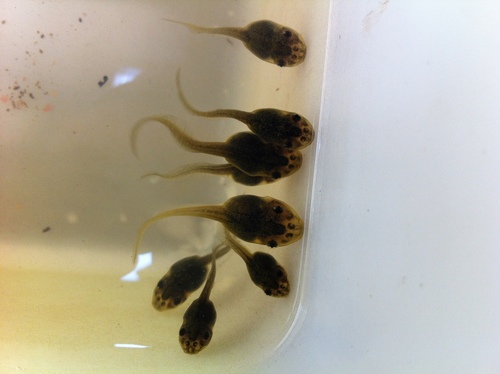
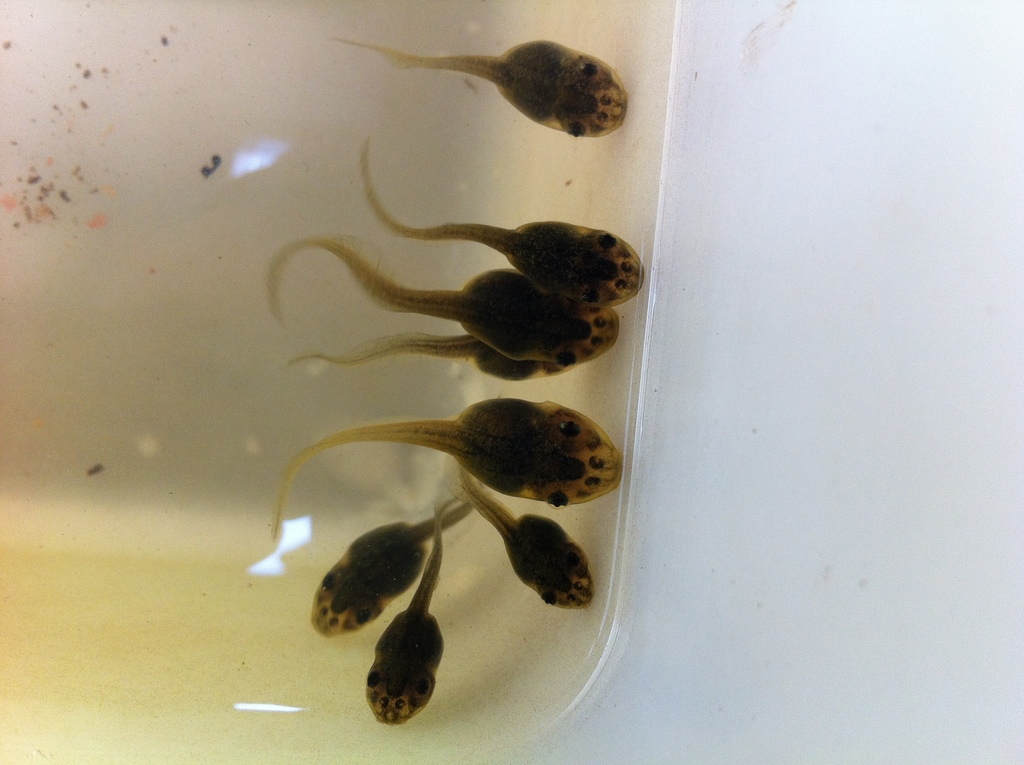
Licensed reference(c) Doug Beckers, some rights reserved (CC BY-SA) · cc-by-sa
—observations
—countries
—peak records
Near ThreatenedConservation statusIUCN Red List categoriesLCNTVUENCREWEXNear ThreatenedRed List categories, explained →
Diet & prey
- Dragonflies
- Beetles
- Smaller Frogs
Predators
- Red-bellied Black Snake
- White-faced Heron
- Eastern Water Dragon
ThreatsChytrid fungus, habitat loss, and predation by introduced plague minnows
HabitatsCoastal freshwater swamps, lagoons, reed beds, and flooded quarries
Life span10–15 years
Size / weightNot available
Classification
- FamilyPelodryadidae
- SpeciesRanoidea aurea
Range data is not available yet.
Interaction riskLow
- Low
- Moderate
- High
- Very high
- Why interaction risk is low
- Safe to observe at a normal distance.
- What to notice
- Look for a robust, pea-green to emerald body blotched with brilliant gold-bronze patches, turquoise inner thighs, and a pale cream dorsal stripe.
- Support conservation
- Observe from a distance on footpaths or boardwalks, and disinfect boots between wetlands to avoid spreading waterborne fungal spores.
Responsible observation
- Basking Sightings: Look for large adults resting atop floating water-milfoil or reeds on sunny mornings.
- No-Touch Practice: Refrain from handling frogs to prevent the transmission of deadly chytrid fungus spores.
- Listening Windows: Listen for the low, guttural motor-revving call after heavy rains in late spring and summer.
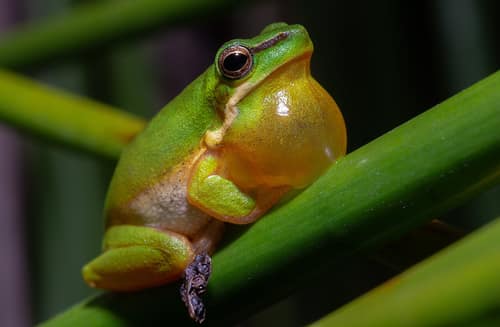
Neighbor LiquidGhoul / CC BY 4.0 · cc-by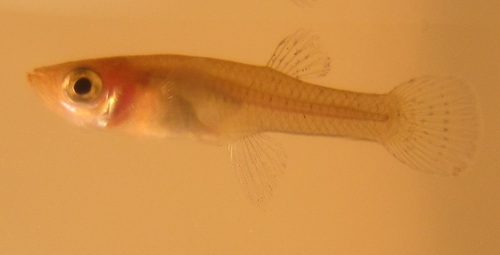
Predator no rights reserved, uploaded by Ken Kneidel · cc0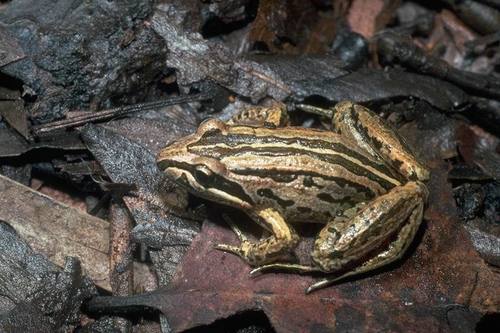
Competitor (c) Jean-Marc Hero, some rights reserved (CC BY-SA) · cc-by-sa Image unavailable
Close Relative
Help improve the field guideSomething wrong?
Checking your Fauna account…Report a name, category, or profile issue for review.