
Insect
Washing Beetle
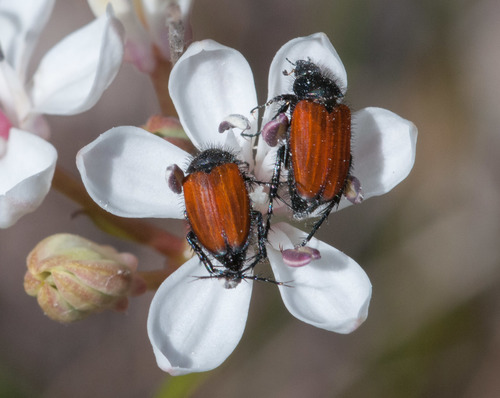
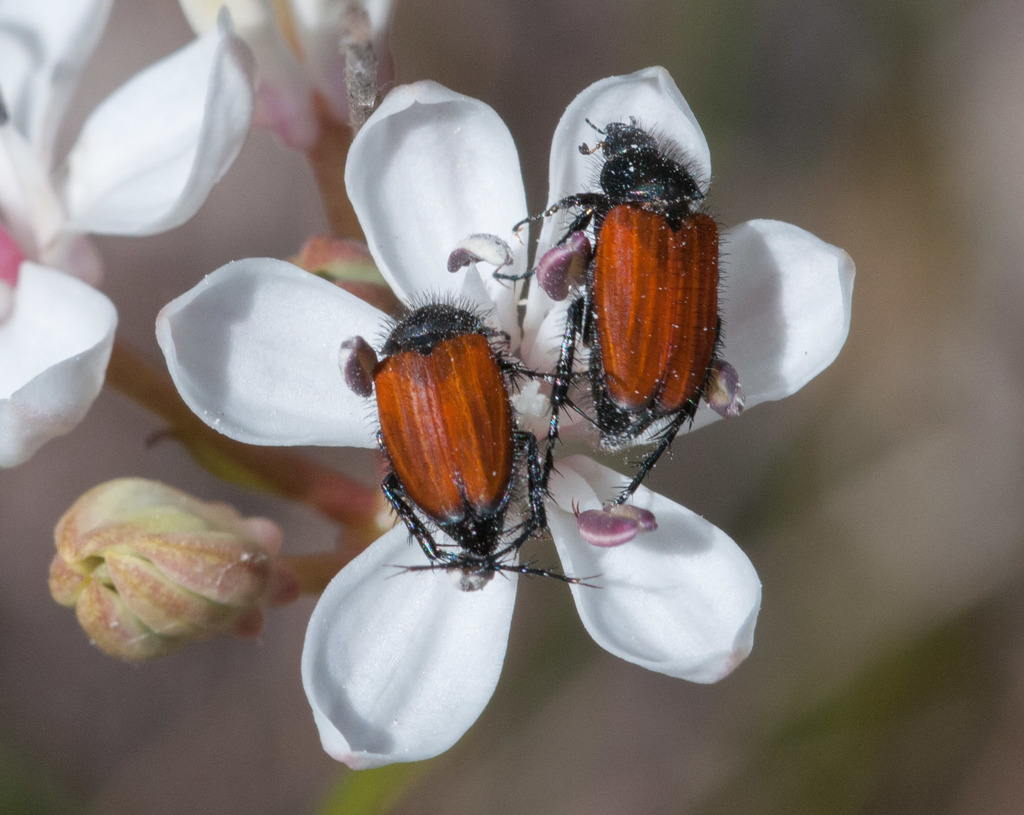
Phyllotocus rufipennisAlso known as Nectar Scarab, Red-winged Nectar Beetle
Washing beetles earned their memorable name from a harmless habit of swarming pale outdoor laundry drying in the Australian summer sun, mistaking white fabrics for bright floral patches. Adults congregate on blossoming eucalypts, tea trees, and angophoras to gorge on nectar and pollen, acting as significant native pollinators throughout eastern woodlands. Beneath the soil, their subterranean larvae feed quietly on decaying organic matter before transforming into winged adults right in time for peak bush bloom.
PollinatorDiurnalSummer-active
—observations
—countries
—peak records
Not EvaluatedConservation statusIUCN Red List categoriesLCNTVUENCREWEXNot Evaluated — not placed on the risk ladderRed List categories, explained →
Diet & preyEucalyptus nectar, Tea tree pollen, Angophora blossoms
Predators
- Insectivorous birds
- Orb-weaver spiders
- Robber flies
ThreatsHabitat clearance, excessive pesticide usage, and urban development
HabitatsEucalypt woodlands, coastal heathlands, and suburban gardens
Life spanAround 1 year
Classification
- OrderColeoptera
- FamilyScarabaeidae
- GenusPhyllotocus
- SpeciesPhyllotocus rufipennis
Range data is not available yet.
Interaction riskLow
- Low
- Moderate
- High
- Very high
- Why interaction risk is low
- Safe to observe at a normal distance.
Responsible observation
- Clothesline encounters: Gently brush them off pale fabrics before bringing dry laundry inside, as they cling firmly with tiny tarsal claws.
- Blossom searching: Scan sunny patches of flowering gum trees and tea trees during warm December and January days to spot feeding groups.
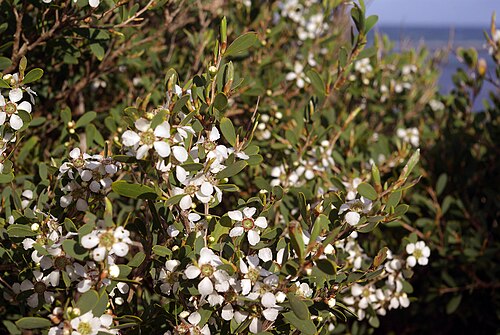
Food Source Stephen Bain / CC BY-SA 3.0 · cc-by-sa Image unavailable
Close Relative 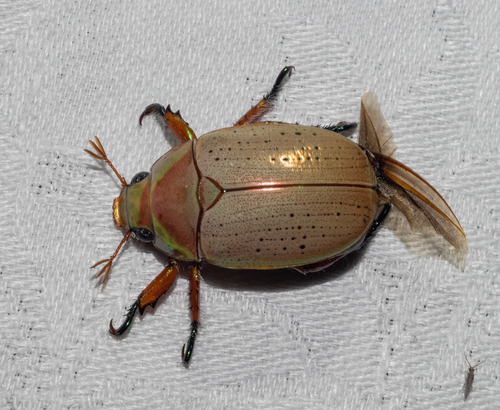
Same Family (c) Kerri-Lee Harris, some rights reserved (CC BY) · cc-by
Help improve the field guideSomething wrong?
Checking your Fauna account…Report a name, category, or profile issue for review.