
Insect
Two-spotted Ladybird
Adalia bipunctataAlso known as Two-spot Ladybird, Two-spotted Ladybug, Two-spotted Lady Beetle
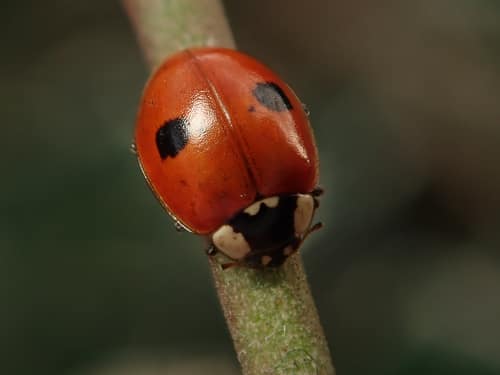
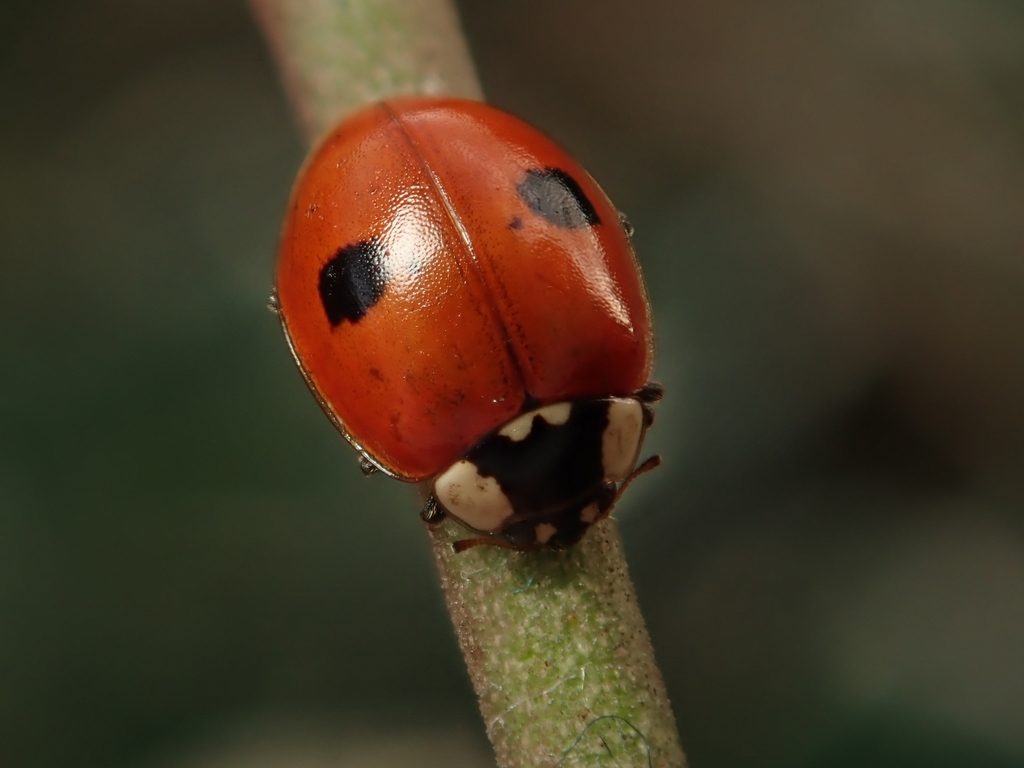
Two-spotted ladybirds are voracious aphid predators native to North America and Europe, where they play a vital ecological role in controlling agricultural pests. They display remarkable color polymorphism, featuring red shells with two central black spots alongside melanic black variations bearing red patches. Females deposit tiny, upright clusters of bright yellow eggs on leaf undersides directly beside soft-bodied insect colonies.
Predatory InsectGarden HelperPolymorphic
—observations
—countries
—peak records
Not EvaluatedConservation statusIUCN Red List categoriesLCNTVUENCREWEXNot Evaluated — not placed on the risk ladderRed List categories, explained →
Diet & preyAphids, Scale Insects, Spider Mites
Predators
- Birds
- Spiders
- Invasive Ladybirds
ThreatsInvasive ladybird competition, habitat loss, and broad-spectrum pesticides
HabitatsGardens, agricultural fields, deciduous woodlands, and parklands
Life span1–2 years
Classification
- FamilyCoccinellidae
- SpeciesAdalia bipunctata
Range data is not available yet.
Interaction riskLow
- Low
- Moderate
- High
- Very high
- Why interaction risk is low
- Safe to observe at a normal distance.
- What to notice
- Look for a small oval beetle, typically red with a single prominent black spot in the middle of each wing cover.
- Support conservation
- Photograph sightings and log them into citizen science apps to help researchers track remaining native populations.
Responsible observation
- Pesticide reduction: Avoid broad-spectrum chemical sprays to help local populations thrive in garden spaces.
- Winter shelter: Look for hibernating adults clustered inside bark crevices or windowsill gaps during cold months.
- Gentle handling: Allow beetles to walk freely across open hands rather than squeezing their delicate wing covers.
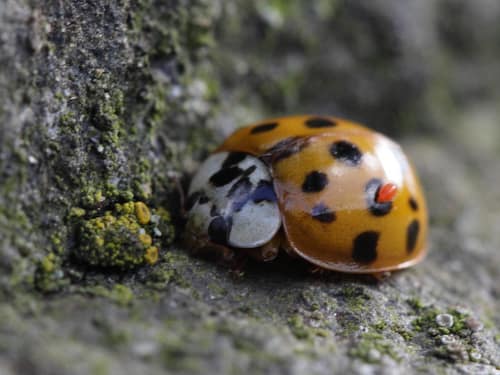
Invasive Competitor "Asian Lady Beetle in Central-Germany & a mite" by gbohne is licensed under CC BY-SA 2.0. To view a copy of this license, visit https://creativecommons.org/licenses/by-sa/2.0/. · cc-by-sa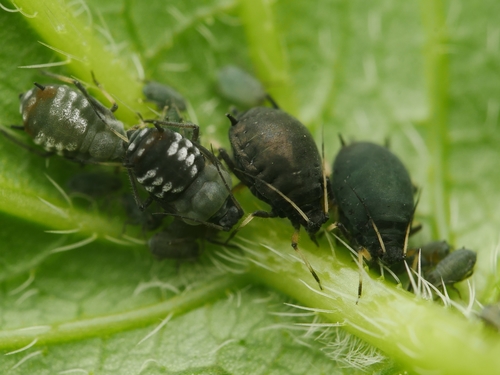
Primary Prey (c) Alexis Tinker-Tsavalas, some rights reserved (CC BY), uploaded by Alexis Tinker-Tsavalas · cc-by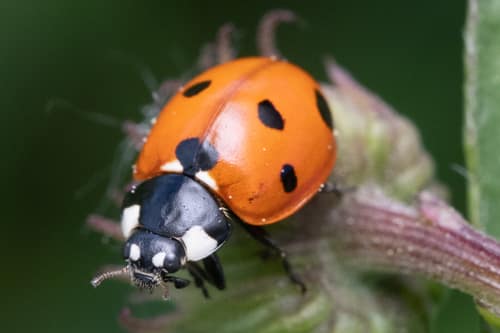
Close Relative (c) Casey H. Richart, some rights reserved (CC BY), uploaded by Casey H. Richart · cc-by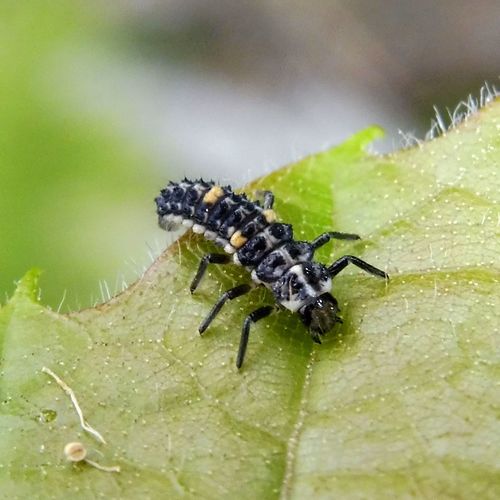
Close Relative (c) Barry Walter, some rights reserved (CC BY), uploaded by Barry Walter · cc-by
Help improve the field guideSomething wrong?
Checking your Fauna account…Report a name, category, or profile issue for review.