
Plant
Forest Tree Fern
Gymnosphaera capensis polypodioidesAlso known as Cape Tree Fern, Forest Fern, Southern Tree Fern
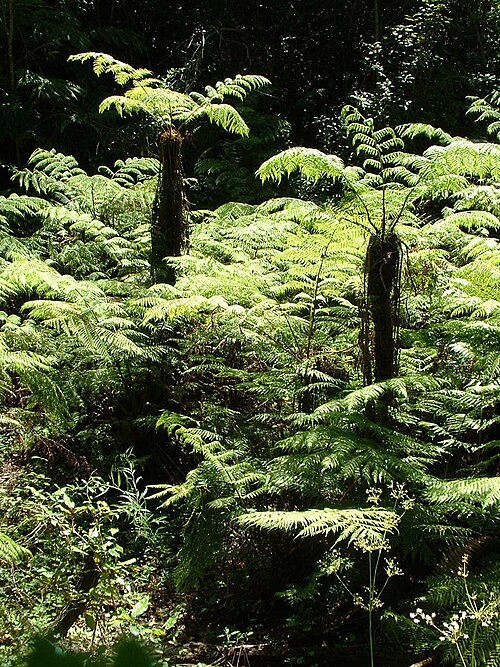
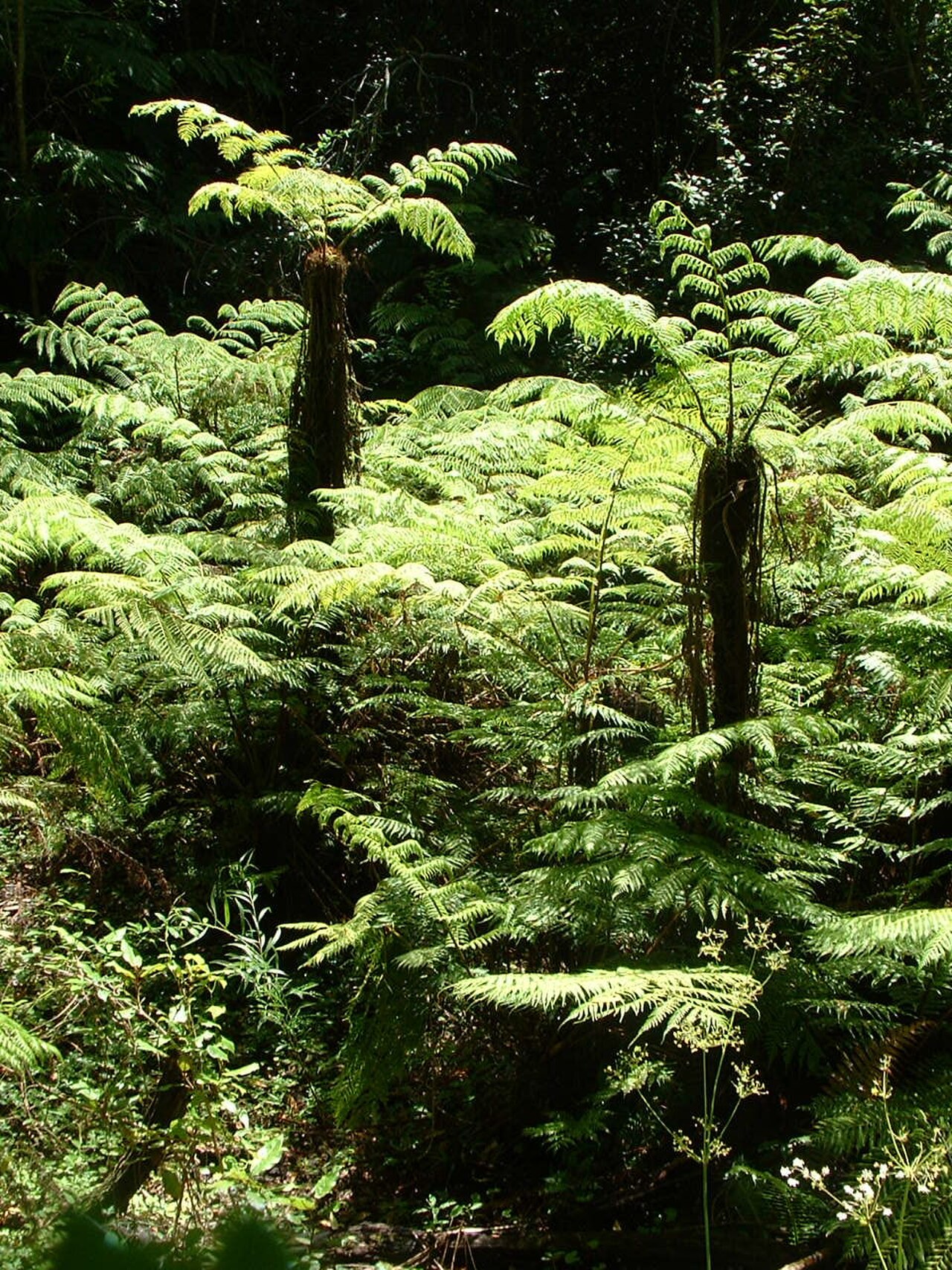
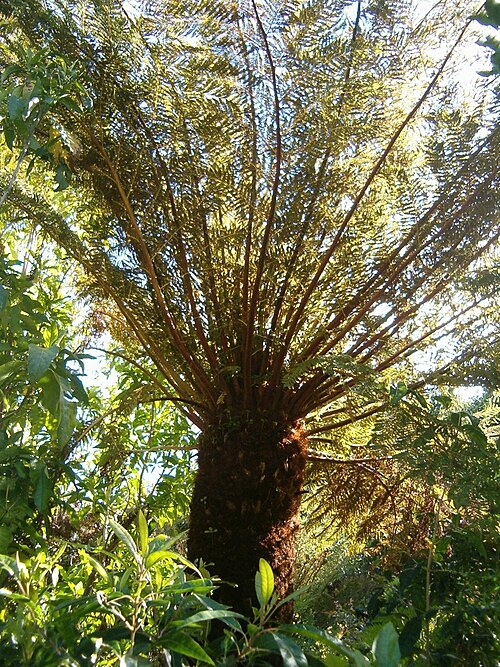
Forest tree ferns thrive in the humid, deeply shaded understory of Afromontane mistbelt forests and riverine ravines. Their slender trunks are crowned by massive, gracefully arching fronds, accompanied by delicate, skeletal aphlebia fronds clustered near the stem base. These slow-growing plants create vital microhabitats for epiphytic mosses, liverworts, and shade-loving invertebrates.
Arching FrondsShade-LovingMoist Forest
—observations
—countries
—peak records
Least ConcernConservation statusIUCN Red List categoriesLCNTVUENCREWEXLeast ConcernRed List categories, explained →
Diet & preyAutotrophic (Photosynthesis)
Predators
- Herbivorous Insects
ThreatsHabitat clearance, forest degradation, invasive plant encroachment
HabitatsDeep shaded ravines, moist Afromontane forests, riverbanks
Life span50–100+ years
Classification
- FamilyCyatheaceae
- SpeciesGymnosphaera capensis polypodioides
Range data is not available yet.
Interaction riskLow
- Low
- Moderate
- High
- Very high
- Why interaction risk is low
- Safe to observe at a normal distance.
Responsible observation
- Observation Spot: Look along perennial streams and deep forest gullies where moisture levels remain high year-round.
- Protection Note: Avoid stepping on shallow root systems and fibrous trunk surfaces when walking through forest glades.
Help improve the field guideSomething wrong?
Checking your Fauna account…Report a name, category, or profile issue for review.