
Insect · GBIF taxon 10374485
Melaleuca Sawfly
Lophyrotoma zonalisAlso known as Paperbark Sawfly, Melaleuca Defoliator Sawfly
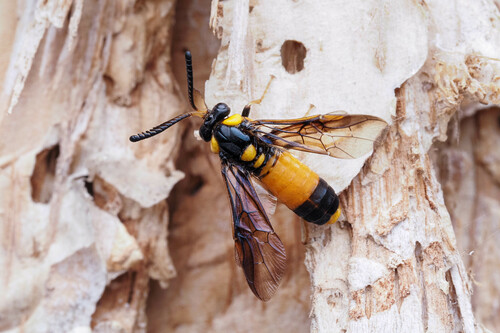
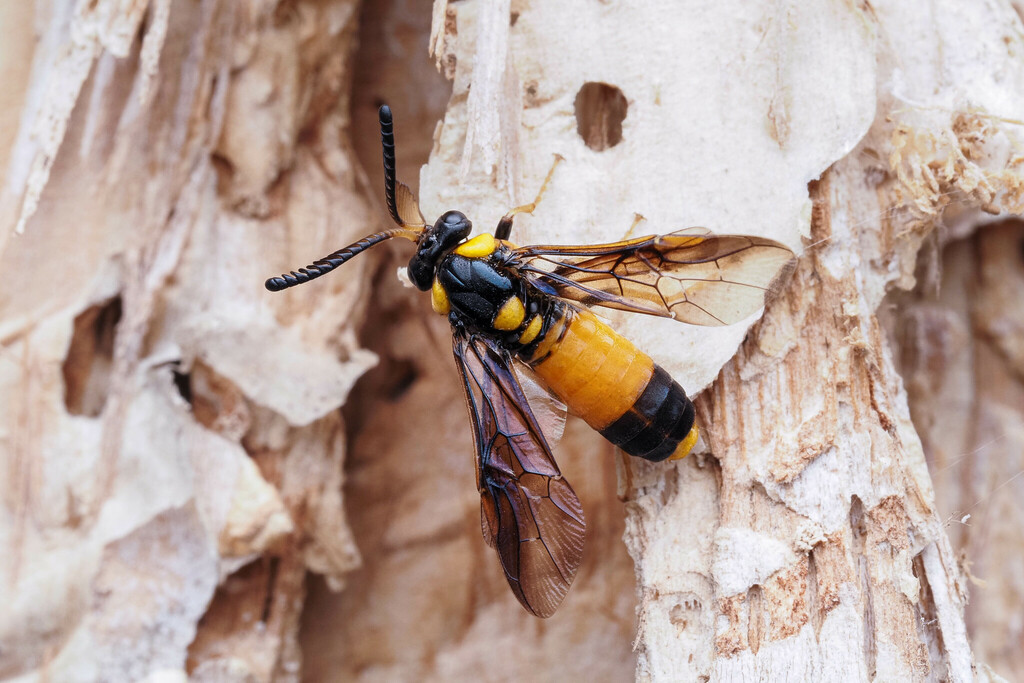
Melaleuca sawflies play a critical role as natural biological control agents against invasive paperbark trees in Florida wetlands while remaining native to northern Australia. Larvae cluster together in dense groups on tree trunks, defoliating foliage and accumulating plant chemicals for defense. Adults are striking wasp-like insects without pinched waists that navigate coastal swamps in search of suitable host plants.
Biocontrol AgentToxic LarvaeDefoliator
 1 / 7
1 / 7—observations
—countries
—peak records
Not EvaluatedConservation statusIUCN Red List categoriesLCNTVUENCREWEXNot Evaluated — not placed on the risk ladderRed List categories, explained →
Diet & prey
- Melaleuca quinquenervia leaves
Predators
- Birds
- Spiders
- Parasitoid wasps
ThreatsTargeted management in non-native biocontrol zones
HabitatsPaperbark swamps, wetlands, coastal forests
Life span1–3 months
Size / weightNot available
Classification
- OrderHymenoptera
- FamilyPergidae
- GenusLophyrotoma
- SpeciesLophyrotoma zonalis
Range data is not available yet.
Interaction riskHigh
- Low
- Moderate
- High
- Very high
- Why interaction risk is high
- Larvae contain liver toxins if eaten by pets or livestock; keep animals away from clusters.
- Why it is dangerous
- Larvae accumulate lophyrotomin peptides, causing acute liver toxicity and fatal hemorrhaging if eaten by livestock or dogs.
- How to recognize a risky encounter
- Larvae are dark, hair-covered grubs that gather in conspicuous masses on paperbark trunks.
- What to do
- Do not handle larval clusters, and keep grazing animals or pets away from infested trees.
Responsible observation
- Spotting Larvae: Look for dense, wriggling larval clusters on paperbark trunks during warm months.
- Pet Safety: Keep curious dogs away from fallen larval masses to prevent accidental toxic ingestion.
- Identifying Adults: Search near Melaleuca foliage for broad-waisted insects with clear wings.
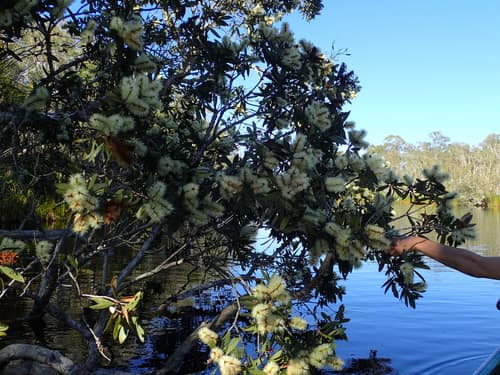
Host Plant (c) Julien Renoult, some rights reserved (CC BY), uploaded by Julien Renoult · cc-by Image unavailable
Co-Biocontrol Agent 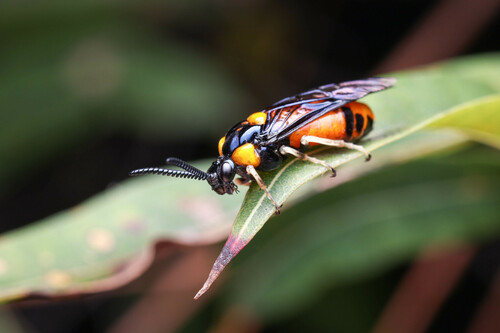
Close Relative (c) Ged Tranter, some rights reserved (CC BY), uploaded by Ged Tranter · cc-by
Help improve the field guideSomething wrong?
Checking your Fauna account…Report a name, category, or profile issue for review.