Canine chewing lice spend their entire life cycle in the fur of domestic dogs, coyotes, and wolves, cementing their pale oval eggs firmly to hair shafts near the skin. Unlike sucking lice, they feed on dead epidermal scales, sebaceous secretions, and hair fragments rather than drawing blood. Severe infestations cause relentless itching and hair loss, while accidentally ingested lice transmit tapeworm cysticercoids to their mammalian host.
Not EvaluatedConservation statusIUCN Red List categoriesLCNTVUENCREWEXNot Evaluated — not placed on the risk ladderRed List categories, explained →
Key facts
Diet & preySkin flakes, sebaceous secretions, and keratin
Predators
Domestic Dog
Coyote
Gray Wolf
ThreatsVeterinary parasiticides, flea-and-tick preventatives, and regular host grooming
HabitatsFur and skin of domestic dogs and wild canines
Life span30–40 days
Classification
FamilyTrichodectidae
SpeciesTrichodectes canis
Range & activity
Range data is not available yet.
Safe observation
Interaction riskModerate
Low
Moderate
High
Very high
Why interaction risk is moderate
Carries the double-pored tapeworm; avoid handling heavily infested animals without gloves and consult a veterinarian.
Why it is dangerous
Acts as an intermediate host for the tapeworm Dipylidium caninum, which can infect canines and occasionally young children if an infected louse is accidentally swallowed.
How to recognize a risky encounter
Look for tiny, doroventrally flattened yellowish-brown insects around 1.5 to 2 millimeters long with broad, blunt heads crawling through the coat.
What to do
Wear disposable gloves when checking stray or rescue animals for heavy infestations, and treat infected pets promptly with veterinary parasiticides.
Responsible observation
Inspection: Part the host dog's coat down to the skin around the neck and ears to check for moving flat insects.
Veterinary Care: Use modern topical or oral parasiticides prescribed by a veterinarian to break the breeding cycle.
Sanitation: Wash bedding and grooming tools in hot water to eliminate shed nits and surviving nymphs.

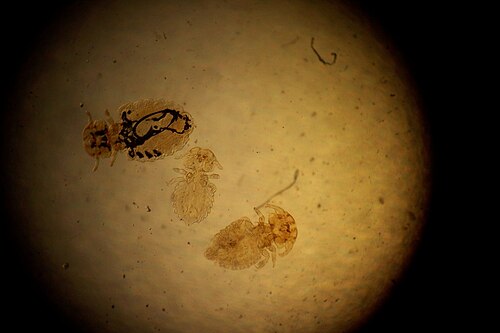
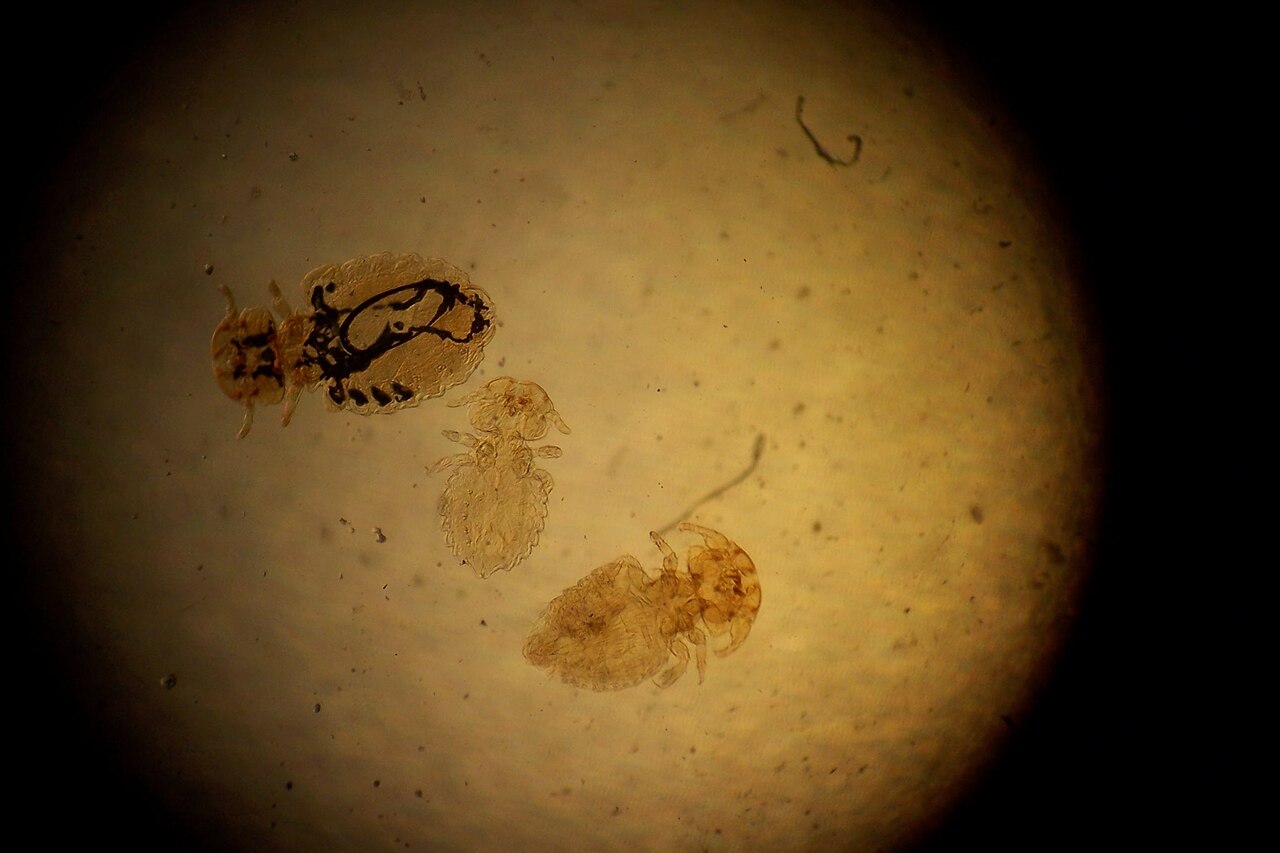
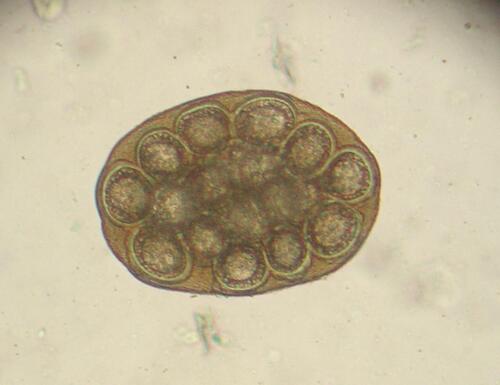
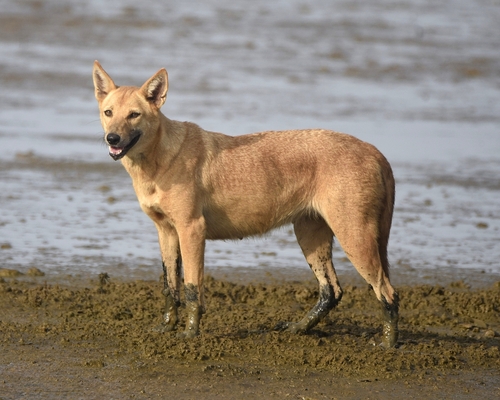
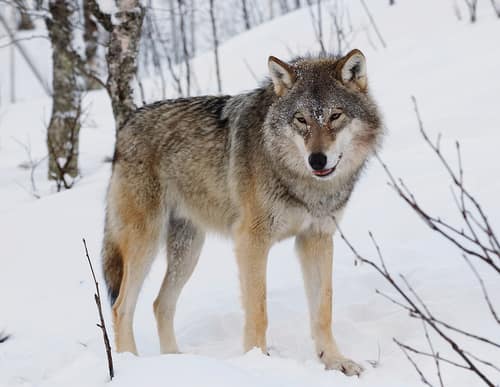
 Image unavailable