
Insect
Poultry Head Louse
Cuclotogaster heterographusAlso known as Chicken Head Louse
Poultry head lice spend their entire life cycle clinging tightly to down feathers and skin on the crowns, combs, and necks of chickens and other gallinaceous birds. Females cement translucent, elongated eggs directly to feather barb shafts near the skin surface, where body heat accelerates incubation. Heavy infestations cause persistent irritation and restlessness in young chicks, occasionally leading to severe feather loss and stunted growth.
ParasiticFlightlessHost-Specific
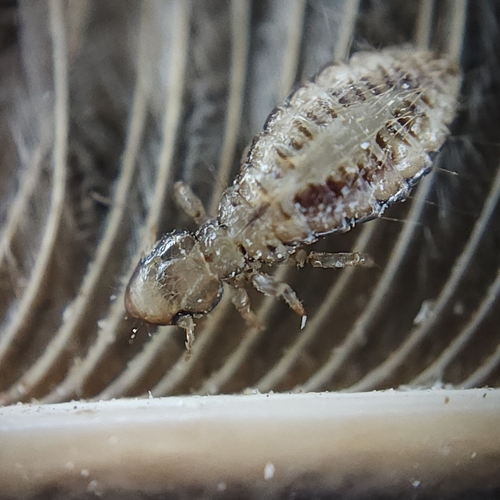
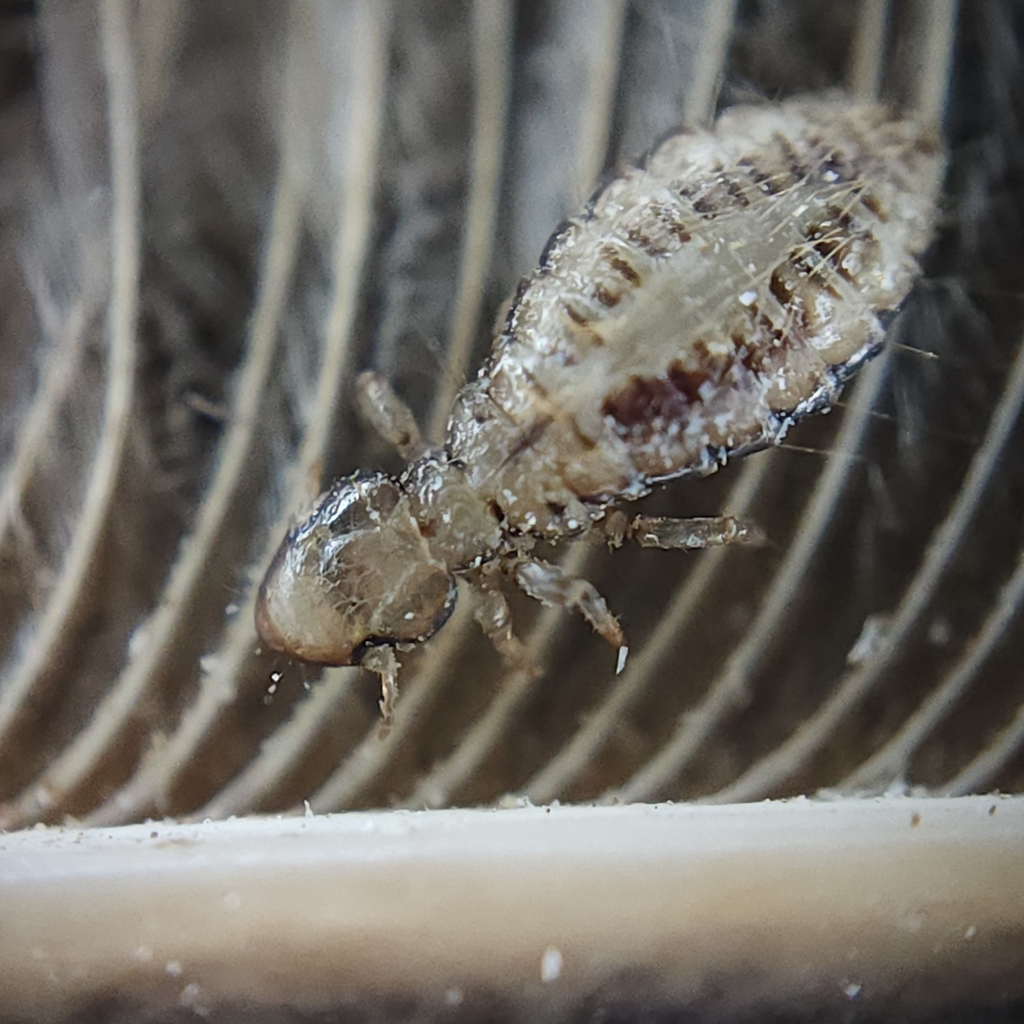
—observations
—countries
—peak records
Not EvaluatedConservation statusIUCN Red List categoriesLCNTVUENCREWEXNot Evaluated — not placed on the risk ladderRed List categories, explained →
Diet & preyFeather Keratin, Epidermal Scales, Tissue Exudates
Predators
- Domestic Chicken (via preening)
- Predatory Mites
- Ants
ThreatsHost preening, dust bathing, and veterinary ectoparasiticides
HabitatsFeathers and skin of domestic fowl and wild gallinaceous birds
Life span30–35 days
Classification
- FamilyPhilopteridae
- SpeciesCuclotogaster heterographus
Range data is not available yet.
Interaction riskLow
- Low
- Moderate
- High
- Very high
- Why interaction risk is low
- Harmless to humans as it strictly infests avian hosts; wash hands after handling poultry.
Responsible observation
- Feather Parting: Gently blow apart feathers on the crown or nape of suspected birds to reveal lice moving near the skin.
- Hygiene Protocol: Wash hands and sanitize handling gear after inspection to avoid transferring lice across different flocks.
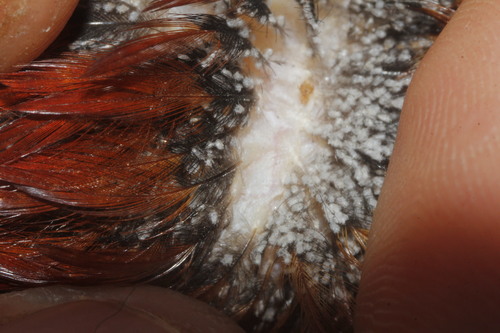
Ecological Competitor (c) Juan Cruzado Cortés, some rights reserved (CC BY-SA) · cc-by-sa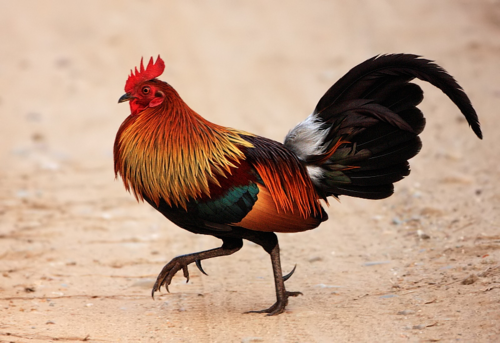
Host Species Subramanya C K / CC BY-SA 3.0 · cc-by-sa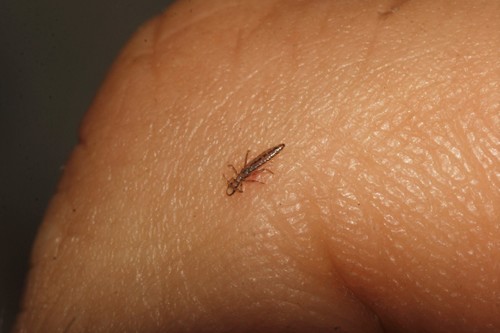
Same Family (c) Juan Cruzado Cortés, some rights reserved (CC BY-SA), uploaded by Juan Cruzado Cortés · cc-by-sa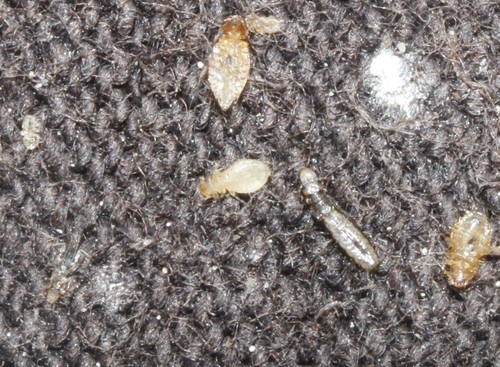
Same Family (c) Juan Cruzado Cortés, 일부 권리 보유 (CC BY-SA), uploaded by Juan Cruzado Cortés · cc-by-sa
Help improve the field guideSomething wrong?
Checking your Fauna account…Report a name, category, or profile issue for review.