
Invertebrate
Mangrove Horseshoe Crab
Carcinoscorpius rotundicaudaAlso known as Round-tailed Horseshoe Crab
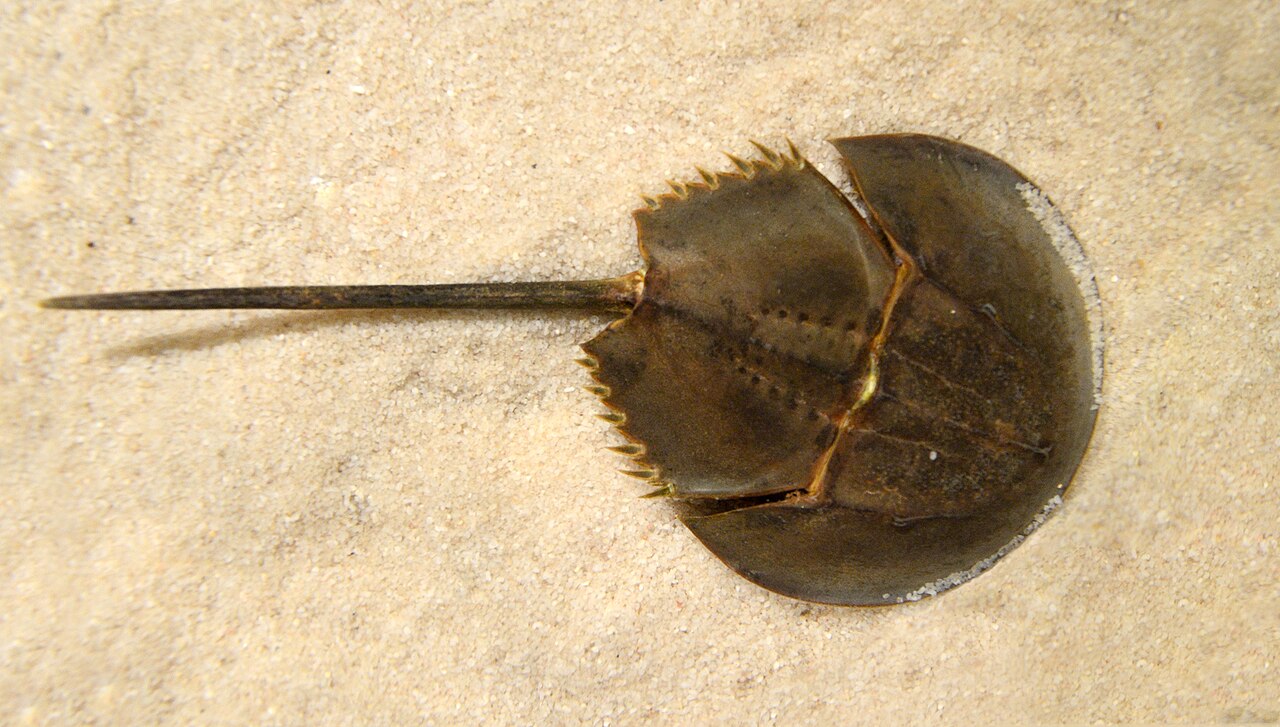
Mangrove horseshoe crabs creep across intertidal mudflats and mangrove forests, using their chelicerae and gnathobases to churn through soft sediment for buried worms and mollusks. Unlike their open-water relatives, they tolerate extensive periods in brackish estuaries and freshwater runoffs, often climbing into mangrove roots during high tides. During breeding periods, pairs lock together in amplexus and crawl into shallow muddy creeks where females bury clusters of greenish eggs beneath the silt.
EstuarineBenthicAncient

—observations
—countries
—peak records
Data DeficientConservation statusIUCN Red List categoriesLCNTVUENCREWEXData Deficient — not placed on the risk ladderRed List categories, explained →
Diet & preyPolychaete Worms, Small Bivalves, Benthic Amphipods
Predators
- White-bellied Sea Eagle
- Water Monitor
- Estuarine Crocodile
ThreatsMangrove deforestation, coastal reclamation, chemical pollution, and accidental bycatch
HabitatsMangrove swamps, brackish estuaries, mudflats, and shallow coastal bays
Life span15–20 years
Classification
- FamilyLimulidae
- SpeciesCarcinoscorpius rotundicauda
Range data is not available yet.
Interaction riskHigh
- Low
- Moderate
- High
- Very high
- Why interaction risk is high
- Tissues and eggs can contain lethal tetrodotoxin; never consume wild horseshoe crabs.
- Why it is dangerous
- Internal organs and roe often concentrate lethal amounts of tetrodotoxin, causing rapid numbness, respiratory failure, and death if eaten.
- How to recognize a risky encounter
- Look for a tail spine that is entirely round and smooth in cross section, lacking the dorsal crest of other Asian species.
- What to do
- Never prepare or consume wild horseshoe crabs, and leave stranded individuals to return to the tide naturally.
Responsible observation
- Observation: Look along sheltered mangrove channels and mudflats during low tide.
- Handling: Do not lift by the tail; support the broad carapace gently if rescuing stranded individuals.
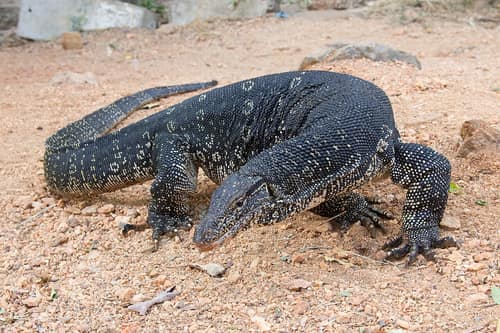
Predator Carlos Delgado / CC BY-SA 4.0 · cc-by-sa Image unavailable
Close Relative 
Close Relative (c) 呂一起(Lu i-chi), some rights reserved (CC BY), uploaded by 呂一起(Lu i-chi) · cc-by
Same Family (c) Meghan Cassidy, some rights reserved (CC BY-SA), uploaded by Meghan Cassidy · cc-by-sa
Help improve the field guideSomething wrong?
Checking your Fauna account…Report a name, category, or profile issue for review.