
Bird
Pygmy Cormorant
Microcarbo pygmaeusPygmy cormorants are compact, agile waterbirds that navigate dense reedbeds and shallow wetlands with remarkable ease. They often fish in small flocks, swimming low in the water before executing brief, shallow dives to seize small bottom-dwelling fish. Nesting occurs colonially in willow stands or extensive reed swamps, frequently alongside egrets, herons, and glossy ibises.
AquaticColonialMigratory


—observations
—countries
—peak records
Least ConcernConservation statusIUCN Red List categoriesLCNTVUENCREWEXLeast ConcernRed List categories, explained →
Diet & preyCommon Roach, Eurasian Carp, Round Goby
Predators
- White-tailed Eagle
- Red Fox
- Raccoon Dog
ThreatsWetland drainage, water pollution, dam construction, and disturbance at breeding colonies
HabitatsFreshwater wetlands, shallow lakes, river deltas, flooded forests, and marshes
Life span8–12 years in the wild
Classification
- FamilyPhalacrocoracidae
- SpeciesMicrocarbo pygmaeus
Range data is not available yet.
Interaction riskLow
- Low
- Moderate
- High
- Very high
- Why interaction risk is low
- Safe to observe at a normal distance.
Responsible observation
- Viewing Distance: Keep a respectful distance from reed edges and breeding colonies to prevent birds flushing from nests.
- Field Identification: Watch for a stubby bill, rich chestnut head, and distinctly long tail compared to larger cormorants.
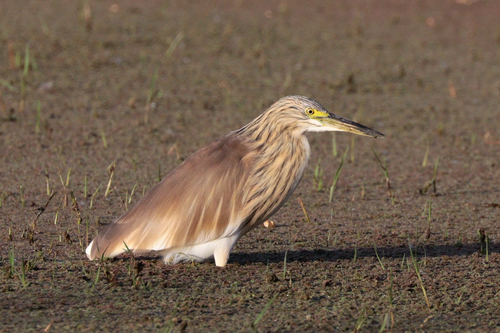
Frequent Companion (c) Charles J Sharp , some rights reserved (CC BY-SA) · cc-by-sa
Predator (c) Flocci Nivis, some rights reserved (CC BY-SA) · cc-by-sa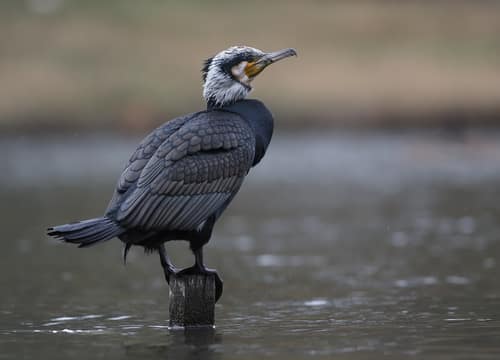
Same Family (c) Frank Vassen, some rights reserved (CC BY) · cc-by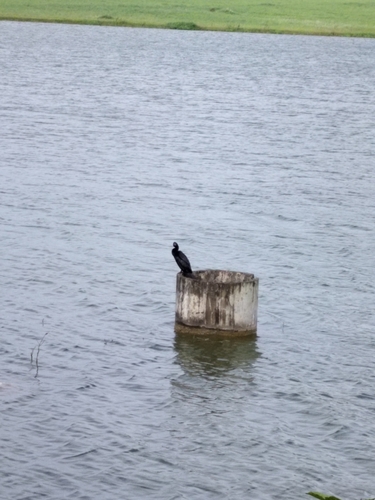
Close Relative (c) Aryan K, some rights reserved (CC BY) · cc-by
Help improve the field guideSomething wrong?
Checking your Fauna account…Report a name, category, or profile issue for review.