
Bird
Australian Zebra Finch
Taeniopygia guttata castanotisAlso known as Chestnut-eared Finch, Zebra Finch
Australian zebra finches gather in large, highly vocal flocks across arid interior regions, staying close to permanent water sources. Males boast distinctive chestnut cheek patches and zebra-like throat barring, which they display while singing individualized songs to their lifelong mates. Opportunistic breeders, these small birds build domed grass nests rapidly whenever rainfall triggers a flush of ripe seeds.
SocialGrasslandVocal
—observations
—countries
—peak records
Least ConcernConservation statusIUCN Red List categoriesLCNTVUENCREWEXLeast ConcernRed List categories, explained →
Diet & preyGrass seeds, Termites, Aphids
Predators
- Feral cats
- Hawks
- Snakes
ThreatsSevere prolonged droughts and local habitat destruction
HabitatsDry grasslands, savannas, scrublands, and open woodlands near water
Life span2–5 years in the wild; up to 12 years in captivity
Classification
- FamilyEstrildidae
- SpeciesTaeniopygia guttata castanotis
Range data is not available yet.
Interaction riskLow
- Low
- Moderate
- High
- Very high
- Why interaction risk is low
- Safe to observe at a normal distance.
Responsible observation
- Listening: Listen for their distinctive nasal beep calls echoing from roadside scrub or open grasslands.
- Water sources: Scan artificial stock tanks and farm dams in arid regions where flocks gather to drink.
- Nesting sites: Look for bulky, domed grass nests tucked into dense, prickly shrubs or tree hollows.
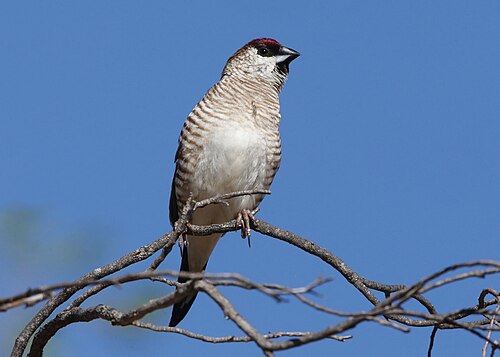
Frequent Companion Greg Miles from Australia / CC BY-SA 2.0 · cc-by-sa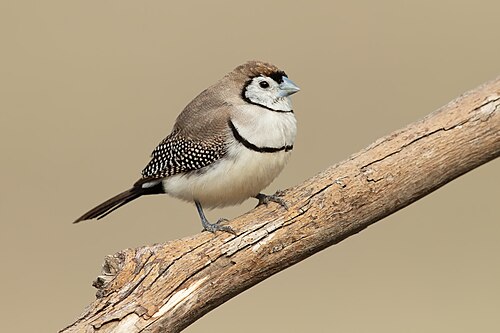
Close Relative JJ Harrison (https://www.jjharrison.com.au/) / CC BY-SA 4.0 · cc-by-sa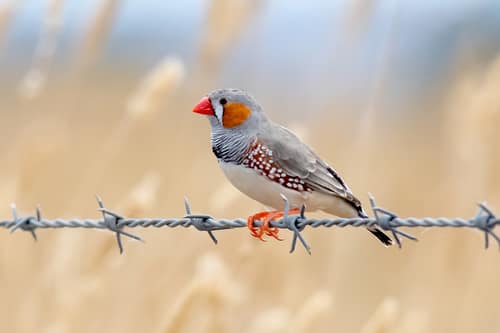
Close Relative (c) Andrew Allen, some rights reserved (CC BY), uploaded by Andrew Allen · cc-by
Help improve the field guideSomething wrong?
Checking your Fauna account…Report a name, category, or profile issue for review.