
Plant · GBIF taxon 10055902
Wood Bristle-moss
Lewinskya affinisAlso known as Similar Bristle-moss
Wood bristle-moss forms loose, olive-green to yellow-green cushions anchored to the bark of deciduous trees and shrubs, particularly elder, willow, ash, and hazel. Its erect, oblong capsules feature distinct longitudinal ribs and eight recurved peristome teeth when dry, helping eject spores into passing air currents. Capable of surviving fluctuations in humidity, it dries into a stiff, dormant state during summer droughts and rapidly photosynthesizes again upon rehydration.
EpiphyteBryophyteWoodland
—observations
—countries
—peak records
Least ConcernConservation statusIUCN Red List categoriesLCNTVUENCREWEXLeast ConcernRed List categories, explained →
Diet & prey
- Photosynthesis (autotroph)
Predators
- Mites
- Springtails
- Snails
ThreatsSevere atmospheric pollution, woodland clearance, and loss of ancient hedgerows
HabitatsDeciduous woodlands, hedgerows, orchards, parklands, and scrub
Life spanPerennial (cushions persist for several years)
Size / weightNot available
Classification
- FamilyOrthotrichaceae
- SpeciesLewinskya affinis
Range data is not available yet.
Interaction riskLow
- Low
- Moderate
- High
- Very high
- Why interaction risk is low
- Safe to observe at a normal distance.
Responsible observation
- Magnification: Use a 10x or 20x hand lens to inspect the furrowed dry capsules and hairy calyptrae.
- Host spotting: Search lower branches and trunks of elders, willows, and field maples in damp hedgerows.
- Habitat etiquette: Avoid prying or scraping cushions off tree bark to protect the colony and tree tissue.
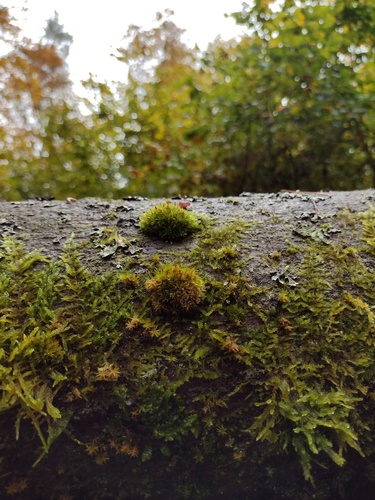
Frequent Companion (c) Bartosz Czołczyński, some rights reserved (CC BY) · cc-by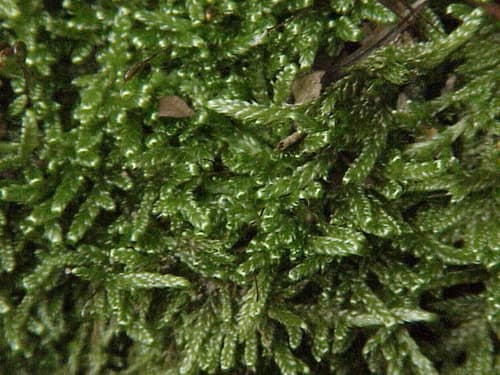
Competitor Kurt Stüber [1] / CC BY-SA 3.0 · cc-by-sa Image unavailable
Close Relative Close Relative
Help improve the field guideSomething wrong?
Checking your Fauna account…Report a name, category, or profile issue for review.