
Mammal
Peromyscus maniculatus
Peromyscus maniculatusAlso known as North American Deer Mouse, Deer Mouse
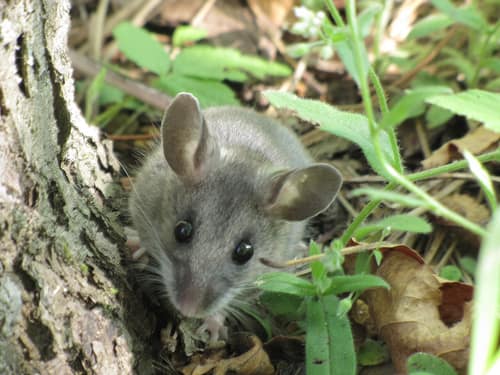
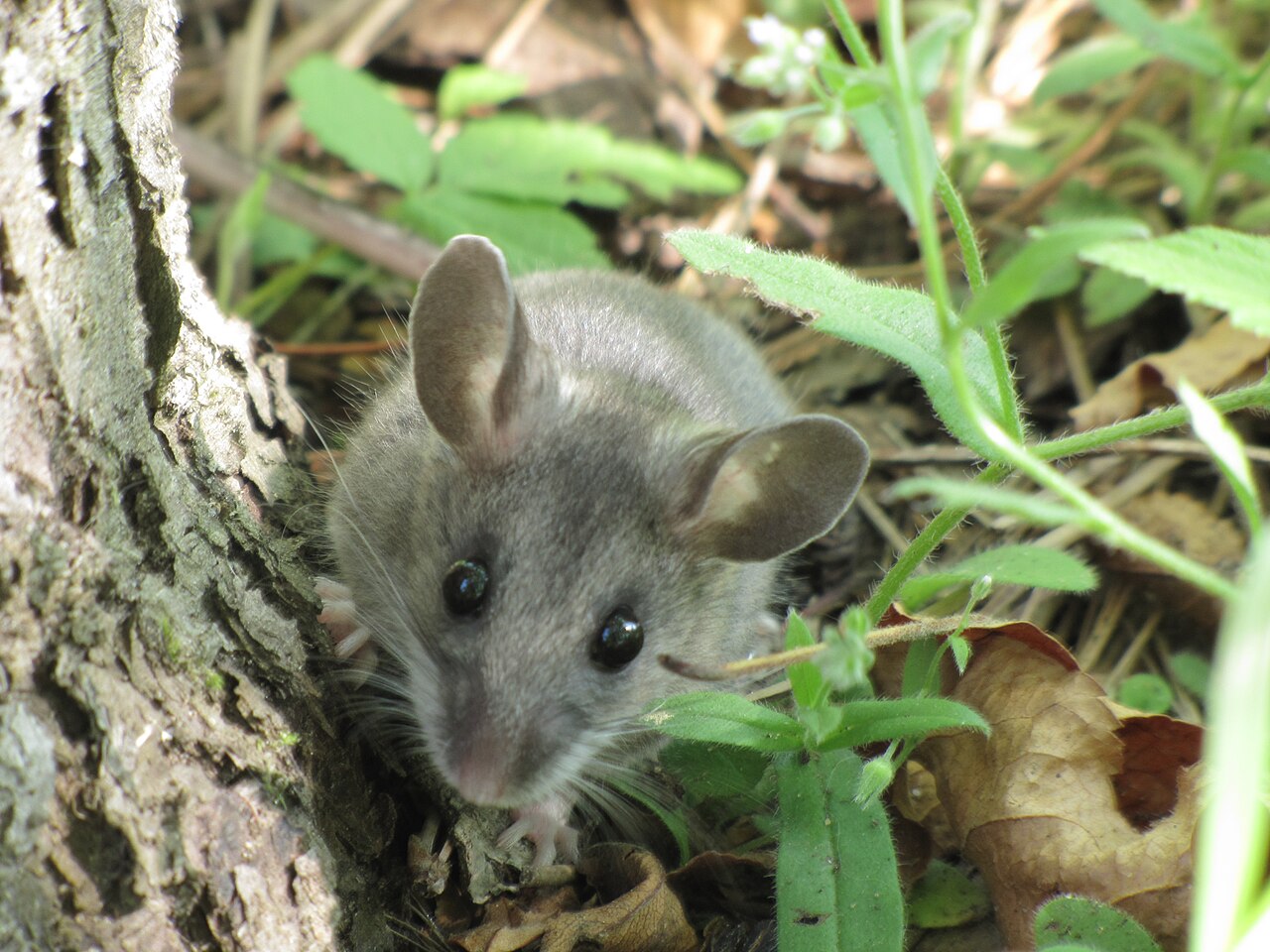
Eastern deer mice are energetic, nocturnal rodents named for their two-toned fur, which resembles the coloration of a white-tailed deer. They build cozy cup nests of leaves, grass, and shredded bark in tree hollows, abandoned bird nests, or subterranean burrows. As vital seed dispersers and a crucial food source for forest predators, these adaptable mammals play a pivotal role in eastern North American ecosystems.
NocturnalAdaptableAbundant
—observations
—countries
—peak records
Least ConcernConservation statusIUCN Red List categoriesLCNTVUENCREWEXLeast ConcernRed List categories, explained →
Diet & preySeeds, Insects, Berries
Predators
- Owls
- Snakes
- Weasels
ThreatsHabitat loss, rodenticide poisoning, severe weather
HabitatsDeciduous and coniferous forests, grasslands, brushlands, agricultural fields
Life span1–2 years in the wild (up to 8 years in captivity)
Classification
- OrderRodentia
- FamilyCricetidae
- GenusPeromyscus
- SpeciesPeromyscus maniculatus
Native
Interaction riskModerate
- Low
- Moderate
- High
- Very high
- Why interaction risk is moderate
- Can carry hantavirus and blacklegged ticks; avoid handling live mice or sweeping dry droppings.
- Why it is dangerous
- Carries Sin Nombre hantavirus in urine, droppings, and saliva, which can cause severe respiratory illness when inhaled via dust.
- How to recognize a risky encounter
- Look for a distinctly bicolored body with brownish upperparts, stark white belly, and a sharply two-toned tail.
- What to do
- Never handle wild mice or clean infested areas with dry broom sweeping; use wet disinfectant methods instead.
Responsible observation
- Observing at night: Use a red flashlight beam to spot them foraging without disturbing their nocturnal routine.
- Preventing infestations: Keep food stored in sealed glass or metal containers to avoid attracting rodents into living spaces.
- Cleaning droppings: Spray rodent sign with disinfectant before wiping to avoid stirring up airborne dust.
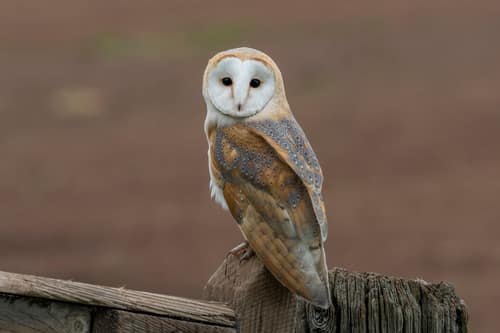
Predator (c) caroline legg, some rights reserved (CC BY) · cc-by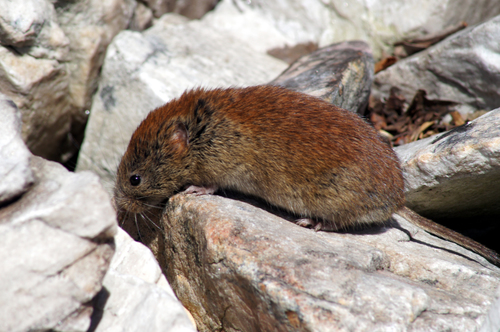
Competitor (c) psweet1, some rights reserved (CC BY-SA) · cc-by-sa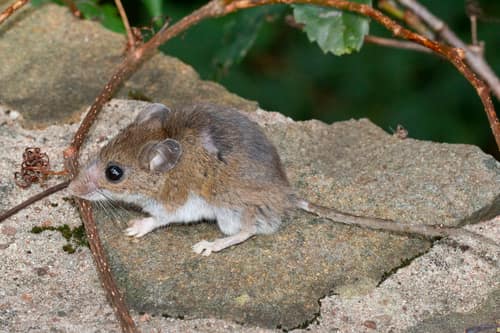
Close Relative (c) Kristof Zyskowski, some rights reserved (CC BY), uploaded by Kristof Zyskowski · cc-by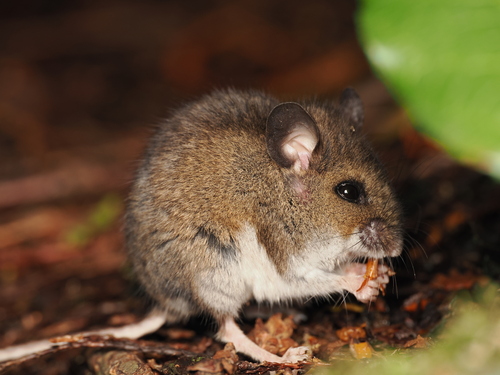
Close Relative no rights reserved · cc0
Keep collecting in Fauna
Found in Collections
Ecosystem chain Pro
Mystic Meadows
Peromyscus maniculatus is found in this collection. Identify it in Fauna to fill this slot and continue your progress.
Unlock to track progress
Help improve the field guideSomething wrong?
Checking your Fauna account…Report a name, category, or profile issue for review.