
Plant
Trifoliate Orange
Citrus trifoliataAlso known as Hardy Orange, Japanese Bitter Orange, Chinese Bitter Orange
Armed with formidable green spines up to five centimeters long, this exceptionally cold-hardy citrus shrugs off freezing winters that would kill other citrus trees. In early spring, fragrant white blossoms emerge on bare, angular green branches just before the three-lobed leaves unfurl. Dense thickets often provide impenetrable cover and nesting sites for songbirds while serving as the primary commercial rootstock across global citrus orchards.
ThornyDeciduousFragrant
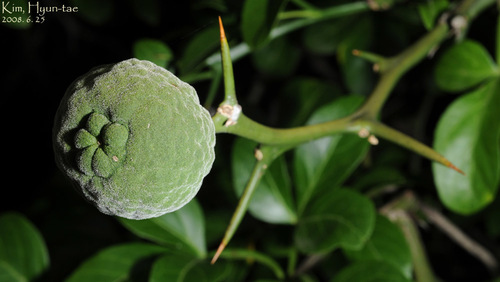
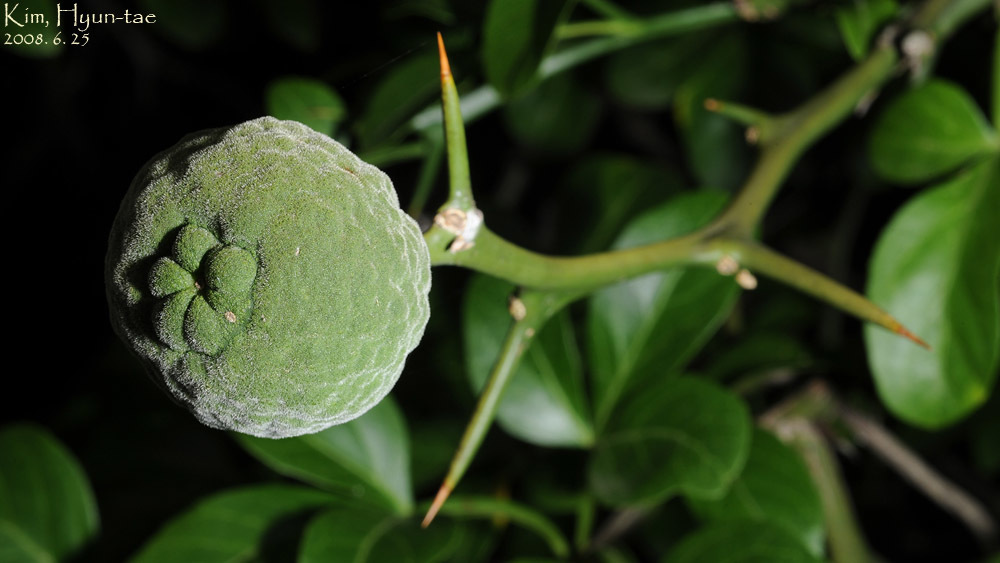
—observations
—countries
—peak records
Least ConcernConservation statusIUCN Red List categoriesLCNTVUENCREWEXLeast ConcernRed List categories, explained →
Diet & preyAutotrophic (photosynthetic)
Predators
- Giant Swallowtail Caterpillar
- Citrus Leafminer
- White-tailed Deer
ThreatsHabitat clearance in native range; managed as an invasive weed in non-native areas
HabitatsWoodland edges, fencerows, open forests, and riparian corridors
Life span25–50 years
Classification
- OrderSapindales
- FamilyRutaceae
- GenusCitrus
- SpeciesCitrus trifoliata
Range data is not available yet.
Interaction riskLow
- Low
- Moderate
- High
- Very high
- Why interaction risk is low
- Wild fruits have toxic look-alikes; never eat based on app identification alone.
Responsible observation
- Thorn Awareness: Navigate dense shrubs cautiously, as the rigid green spines easily puncture ordinary clothing and footwear.
- Wildlife Viewing: Search the compound foliage during summer to spot bird-dropping mimic caterpillars of giant swallowtails.
- Identification: Check for distinctive three-parted leaflets and flattened, bright green twigs that persist through winter.
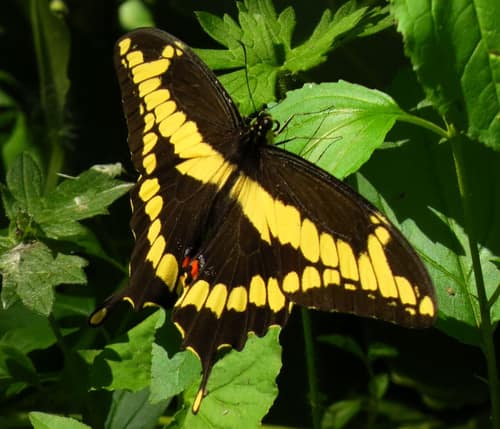
Herbivore D. Gordon E. Robertson / CC BY-SA 3.0 · cc-by-sa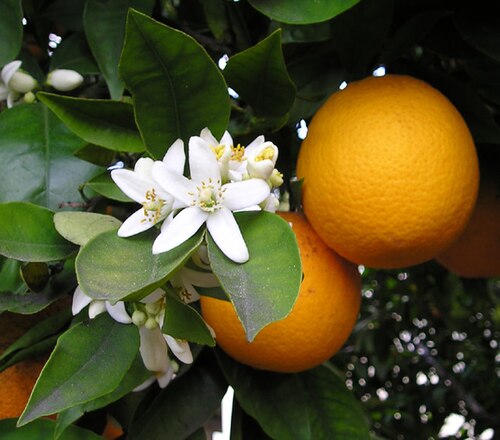
Close Relative Ellen Levy Finch (Elf) / CC BY-SA 3.0 · cc-by-sa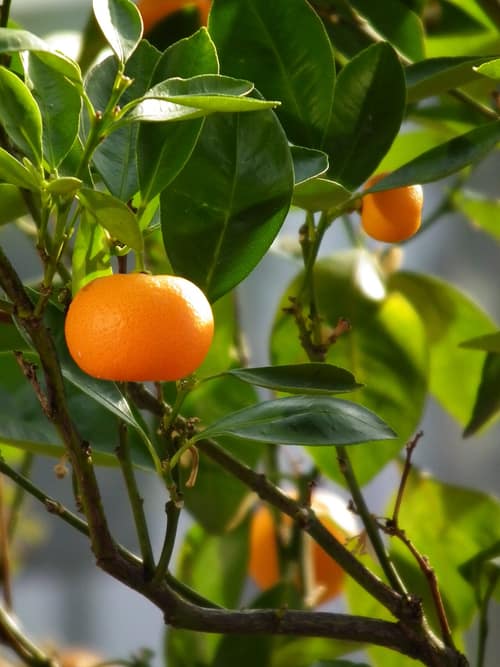
Close Relative 4028mdk09 / CC BY-SA 3.0 · cc-by-sa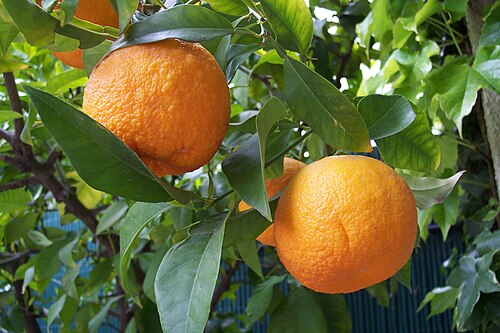
Close Relative (c) Alex Abair, some rights reserved (CC BY), uploaded by Alex Abair · cc-by
Help improve the field guideSomething wrong?
Checking your Fauna account…Report a name, category, or profile issue for review.