
Species · GBIF taxon 4417555
Stone Crayfish
Austropotamobius torrentiumAlso known as European Stone Crayfish, Mountain Crayfish
Stone crayfish are small, secretive freshwater crustaceans that thrive in cold, fast-flowing mountain streams and stony-bottomed rivers. They spend daylight hours tucked safely beneath large stones or submerged tree roots, emerging at night to forage along the stream bed. These crayfish are highly sensitive to organic pollution and rising water temperatures, making them vital bioindicators of pristine aquatic ecosystems.
NocturnalAquaticBioindicator
—observations
—countries
—peak records
VulnerableConservation statusIUCN Red List categoriesLCNTVUENCREWEXVulnerableRed List categories, explained →
Diet & prey
- Insect Larvae
- Aquatic Snails
- Fallen Leaves
Predators
- Eurasian Otter
- Grey Heron
- Brown Trout
ThreatsCrayfish plague spread by invasive species, water pollution, and stream channelization.
HabitatsCold, fast-flowing headwater streams, small rivers, and stony-bottomed creeks.
Life spanUp to 10 to 15 years
Size / weightNot available
Classification
- FamilyAstacidae
- SpeciesAustropotamobius torrentium
Range data is not available yet.
Interaction riskLow
- Low
- Moderate
- High
- Very high
- Why interaction risk is low
- Pincers can deliver a painful pinch; handle with care or observe from the bank.
- What to notice
- Look for a small, brownish-olive crayfish with a smooth carapace and pale, yellowish undersides on the claws.
- Support conservation
- Avoid transferring water or equipment between streams to prevent spreading the deadly crayfish plague pathogen.
Responsible observation
- Stream scanning: Search for them at night using a flashlight in shallow, stony shallows.
- Rock lifting: Gently lift flat stones in clean, fast-flowing water, but always return the stones exactly as found.

Competitor (c) Parsa Fard, some rights reserved (CC BY) · cc-by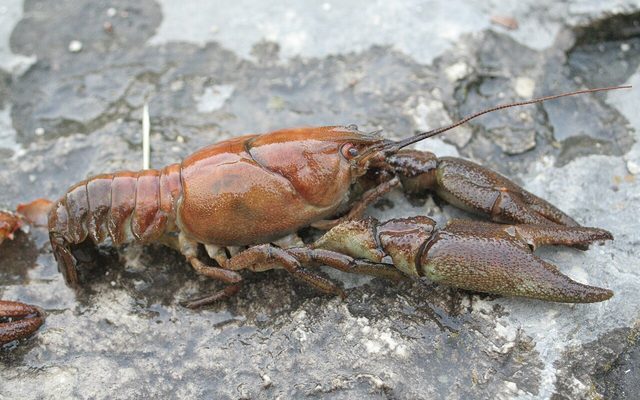
Close Relative David Gerke / CC BY-SA 3.0 · cc-by-sa
Close Relative
Help improve the field guideSomething wrong?
Checking your Fauna account…Report a name, category, or profile issue for review.