Also known as Spongy Tooth Fungus, Toothed Marshmallow Fungus
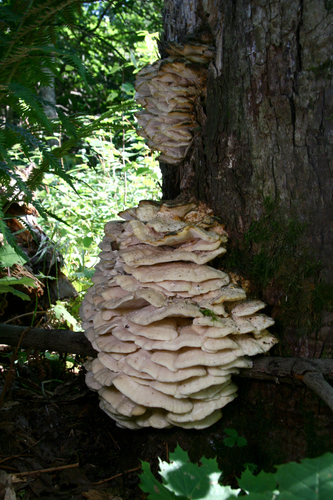
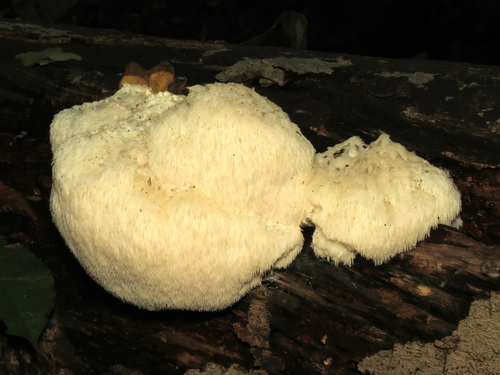
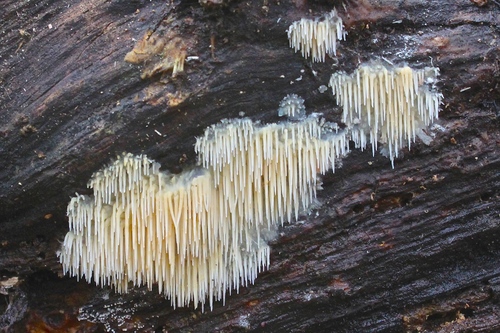
Marshmallow polypores emerge on living or fallen hardwoods, producing thick, chalk-white brackets with a spongy, absorbent texture when fresh. The undersurface develops dense arrays of flattened teeth and jagged spines that slowly discolor to pale ochre as microscopic spores mature. Through secret enzymes, the underlying mycelium drives extensive white rot inside oak heartwood, steadily hollowing veteran trees and providing critical habitat cavities for forest wildlife.
FungusWood-DecayingToothed
—observations
—countries
—peak records
Not EvaluatedConservation statusIUCN Red List categoriesLCNTVUENCREWEXNot Evaluated — not placed on the risk ladderRed List categories, explained →
Key facts
Diet & prey
Hardwood lignin
Wood cellulose
Predators
Fungus gnats
Ciid beetles
Slugs
ThreatsRemoval of mature host trees and intensive clear-cut forestry
HabitatsDeciduous broadleaf forests and mixed woodlands
Life spanFruiting body lasts several months; mycelium persists for decades
Classification
FamilyMeruliaceae
SpeciesIrpiciporus pachyodon
Range & activity
Range data is not available yet.
Safe observation
Interaction riskLow
Low
Moderate
High
Very high
Why interaction risk is low
Many wild mushrooms have toxic look-alikes; never eat wild fungi based on app identification alone.
Responsible observation
Substrate Inspection: Examine wounded oak, maple, and beech trunks in late summer to locate fresh brackets.
Texture Test: Gently compress the upper surface to feel its distinctive, sponge-like resilience without detaching the specimen.
Hyphal Preservation: Leave specimens intact on living trees so they can finish dispersing spores to neighboring deadwood.