
Fungus
Fried Chicken Mushroom
Lyophyllum decastesAlso known as Clustered Domecap
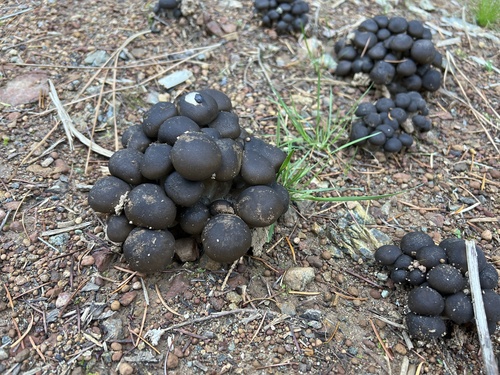
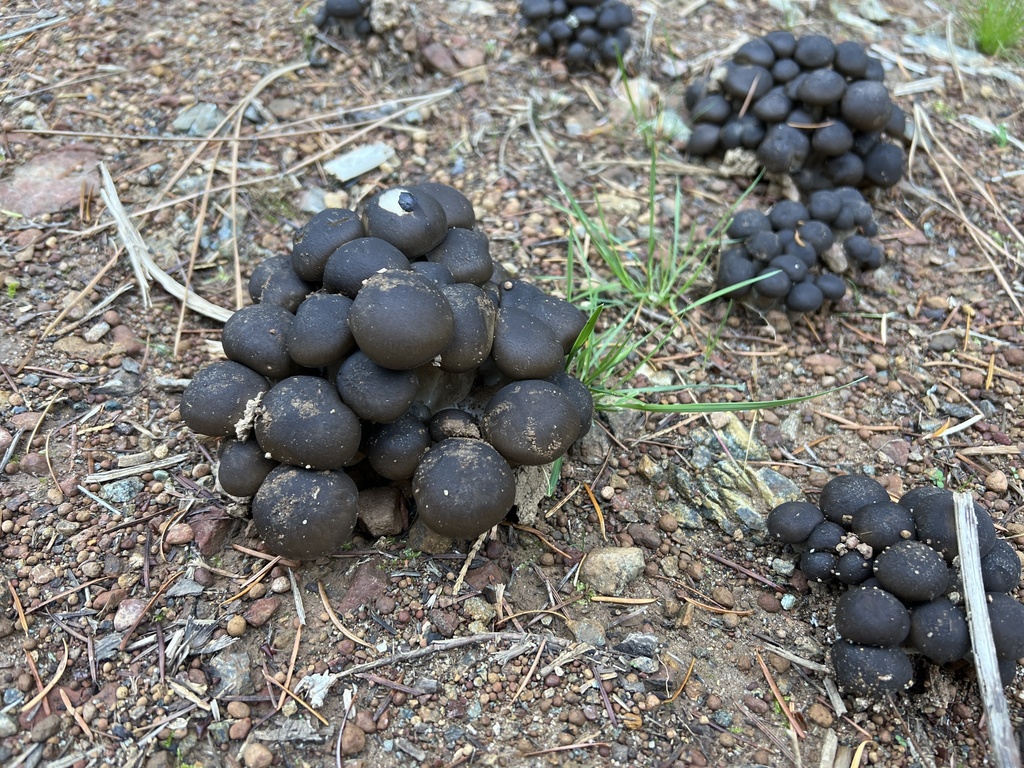
Dense clusters of dome-shaped caps emerge tightly bound at their bases along roadsides, path edges, and disturbed soil. The elastic flesh resists tearing, allowing mature clumps to withstand heavy trampling and physical disturbance. As a saprobic decomposer, mycelial networks quietly recycle buried woody debris and rich organic leaf litter throughout temperate forest floors.
Cluster-formingSaprobicWoodland
—observations
—countries
—peak records
Not EvaluatedConservation statusIUCN Red List categoriesLCNTVUENCREWEXNot Evaluated — not placed on the risk ladderRed List categories, explained →
Diet & preySaprobic (decomposing buried wood and organic litter)
Predators
- Fungus Gnat Larvae
- Slugs
- Rodents
ThreatsHabitat alteration, intensive chemical weed control, soil paving
HabitatsDisturbed ground, roadsides, lawns, mixed woodlands
Life spanFruiting body lasts 1–3 weeks; underground mycelium persists for years
Classification
- OrderAgaricales
- FamilyLyophyllaceae
- GenusLyophyllum
- SpeciesLyophyllum decastes
Range data is not available yet.
Interaction riskLow
- Low
- Moderate
- High
- Very high
- Why interaction risk is low
- Many wild mushrooms have toxic look-alikes; never eat wild fungi based on app identification alone.
Responsible observation
- Base observation: Examine the fused base of the stems where entire clusters connect underground.
- Texture check: Notice the distinctively rubbery and resilient feel of the cap tissue.
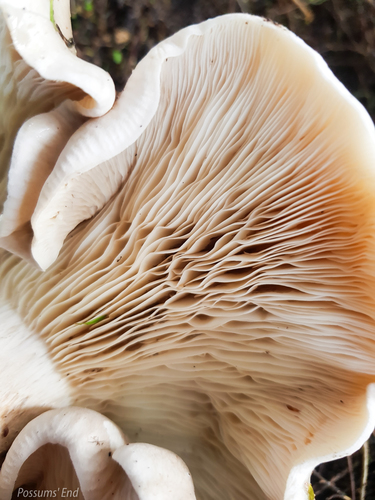
Neighbor (c) Possums' End, some rights reserved (CC BY), uploaded by Possums' End · cc-by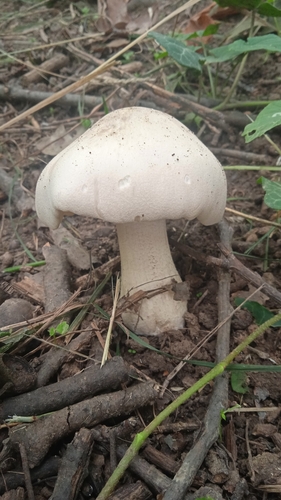
Look-alike (c) Lazar Popović, some rights reserved (CC BY) · cc-by Image unavailable
Close Relative
Help improve the field guideSomething wrong?
Checking your Fauna account…Report a name, category, or profile issue for review.