
Plant · GBIF taxon 3140679
Northern Edelweiss
Leontopodium leontopodioidesAlso known as North China Edelweiss, Asian Edelweiss
Northern edelweiss forms tight clusters of lance-shaped leaves coated in thick, woolly white hairs that shield the plant from intense high-altitude ultraviolet radiation and extreme temperatures. Small yellow flower heads nestle inside starry rings of velvety bracts, producing a striking silver display across dry mountain steppes from Siberia to northern China. This tough perennial flowers during the brief summer months, relying on native bees and flies for pollination while anchoring loose alpine soils.
AlpineSilver FoliageWildflower
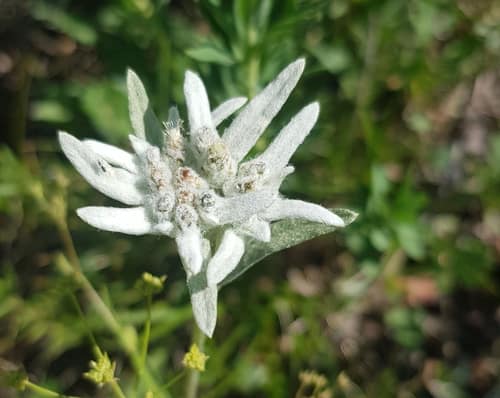
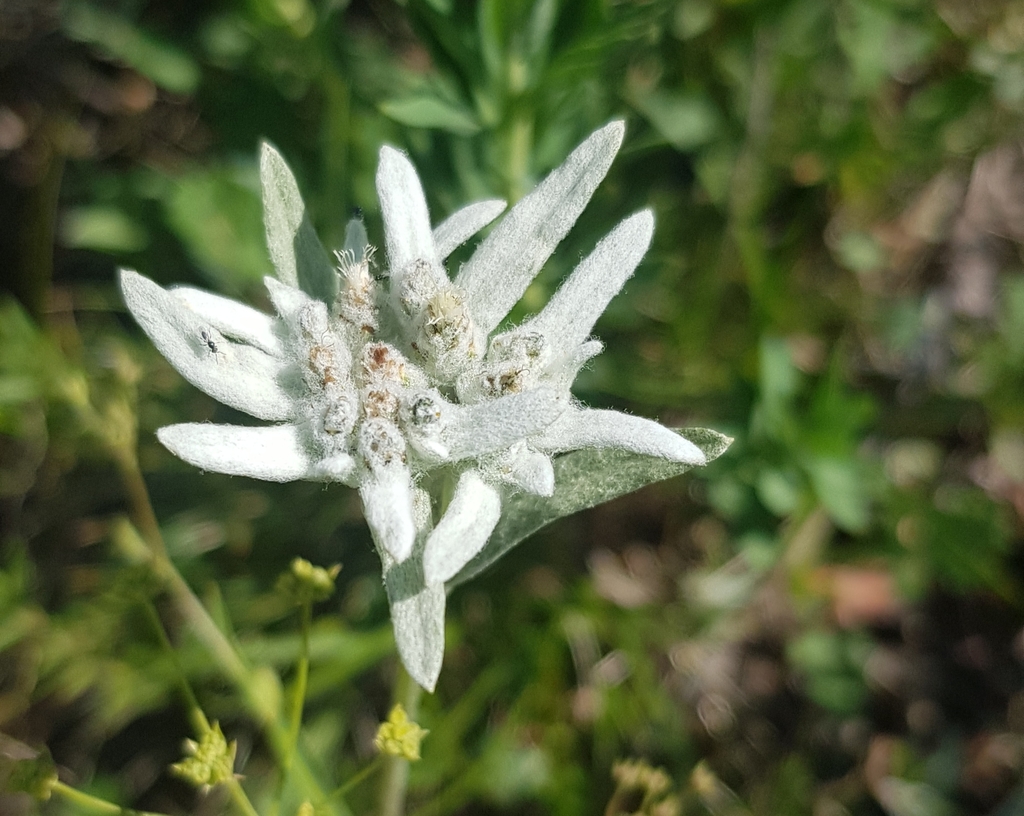 1 / 7
1 / 7—observations
—countries
—peak records
Least ConcernConservation statusIUCN Red List categoriesLCNTVUENCREWEXLeast ConcernRed List categories, explained →
Diet & prey
- Autotrophic (photosynthetic)
Predators
- Grazing livestock
- Insect larvae
- Small rodents
ThreatsHabitat trampling, over-collection, climate change
HabitatsAlpine steppes, dry mountain slopes, gravelly meadows
Life spanPerennial (5–15 years)
Size / weightNot available
Classification
- FamilyAsteraceae
- SpeciesLeontopodium leontopodioides
Range data is not available yet.
Interaction riskLow
- Low
- Moderate
- High
- Very high
- Why interaction risk is low
- Safe to observe at a normal distance.
Responsible observation
- Alpine Photography: Get low to capture the dense, silvery woolly hairs on the floral bracts that protect it from harsh sunlight.
- Habitat Protection: Stick to established mountain trails to avoid stepping on fragile high-elevation root systems.
- Observe In Situ: Leave wild blooms intact, as alpine plants regenerate slowly in brief high-altitude growing seasons.
 Image unavailable
Close Relative Close Relative 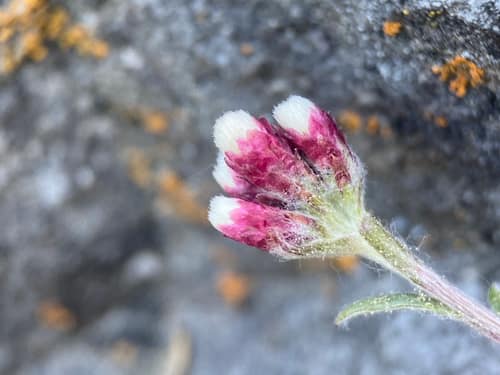
Aster Family Kin (c) Matt Berger, some rights reserved (CC BY), uploaded by Matt Berger · cc-by
Help improve the field guideSomething wrong?
Checking your Fauna account…Report a name, category, or profile issue for review.