
Plant
Siebold's Plantain Lily
Hosta sieboldiana sieboldianaAlso known as Giant Blue Hosta, Blue Plantain Lily
Siebold's plantain lily forms massive architectural mounds of deeply puckered, blue-green foliage coated in a protective waxy bloom. Native to Japanese mountain slopes, this enduring perennial produces dense scapes of pale lavender to white bell-shaped blooms in midsummer. The heavy, leathery leaves offer exceptional shade texture while retaining moisture throughout humid forest undersides.
Shade TolerantFoliage PlantPerennial
—observations
—countries
—peak records
Not EvaluatedConservation statusIUCN Red List categoriesLCNTVUENCREWEXNot Evaluated — not placed on the risk ladderRed List categories, explained →
Diet & preySunlight, Water, Soil Minerals
Predators
- White-tailed Deer
- Slugs
- Snails
ThreatsDeer herbivory, slug damage, Hosta Virus X
HabitatsWoodlands, shaded mountain slopes, forest borders, gardens
Life spanPerennial (up to 30 years)
Classification
- FamilyAsparagaceae
- SpeciesHosta sieboldiana sieboldiana
Range data is not available yet.
Interaction riskHigh
- Low
- Moderate
- High
- Very high
- Why interaction risk is high
- Contains saponins toxic to dogs and cats if ingested; keep curious pets away.
- Why it is dangerous
- Contains triterpenoid saponins that induce vomiting, diarrhea, and depression when swallowed by companion animals.
- How to recognize a risky encounter
- Look for huge, puckered, heart-shaped blue-gray leaves growing in large ground mounds with tall flower scapes.
- What to do
- Position plants out of reach of domestic pets and wash hands after trimming leafy stems.
Responsible observation
- Shade Selection: Plant in partial to full shade where morning sun preserves the waxy blue coating on the leaves.
- Pest Protection: Use copper barrier tape or diatomaceous earth around the base to deter night-feeding slugs.
- Watering: Deeply soak the soil around the base during dry spells while avoiding overhead wetting to protect leaf bloom.
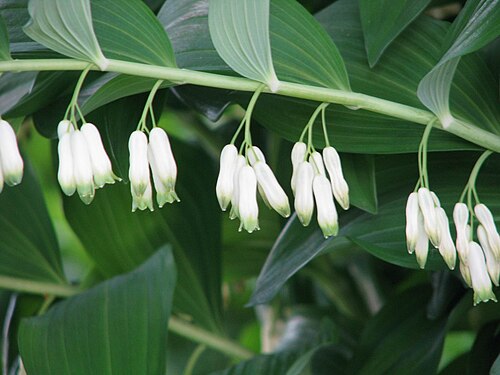
Frequent Companion Borealis55 / CC0 · cc0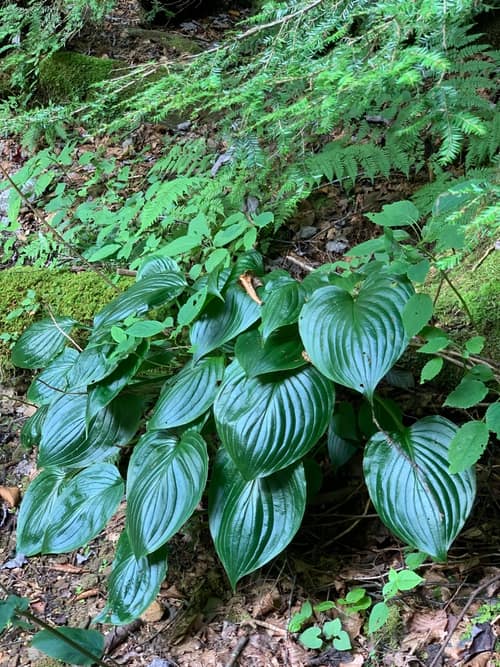
Close Relative (c) Sara Patton, some rights reserved (CC BY) · cc-by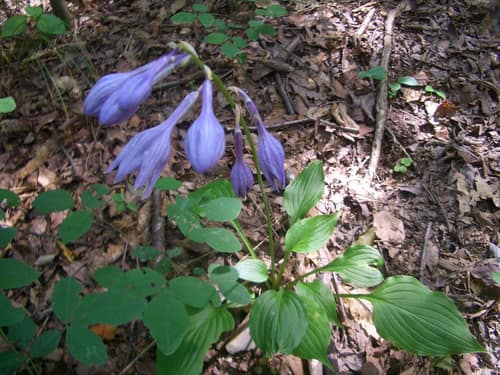
Close Relative (c) User:Vmenkov, some rights reserved (CC BY-SA) · cc-by-sa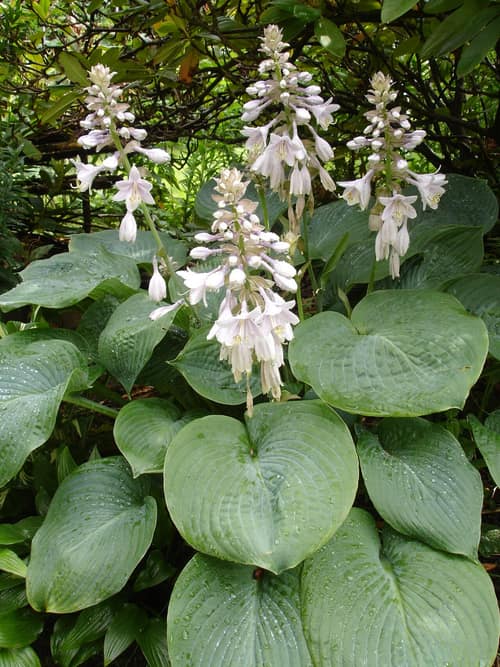
Close Relative Epibase / CC BY 2.5 · cc-by
Help improve the field guideSomething wrong?
Checking your Fauna account…Report a name, category, or profile issue for review.