Fauna
Insect

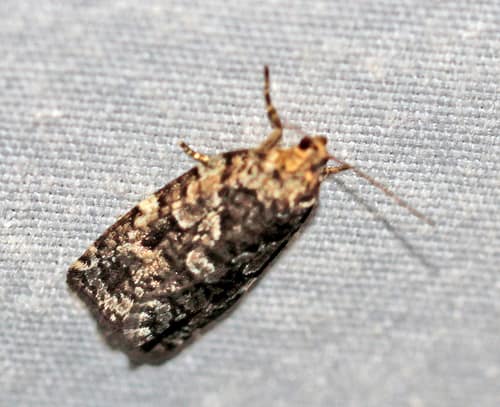
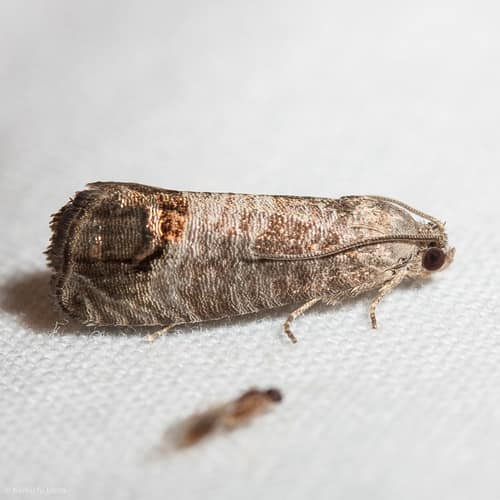
Trichogramma minutum

Trichogramma minutum

Also known as Minute Egg Parasitoid Wasp, Minute Parasitic Wasp

Minute egg parasitoid wasps patrol orchard canopies and agricultural fields searching for freshly laid lepidopteran eggs. A mated female assesses host eggs with her antennae before using her ovipositor to inject her own offspring, which consume the embryo from within and pupate until chewing free as adults. Widely mass-reared and released in biological pest control programs, these microscopic insects help suppress populations of defoliating caterpillars and agricultural moth pests across North America.

ParasitoidMicroscopicBeneficial Insect
—observations
—countries
—peak records
Not EvaluatedConservation statusIUCN Red List categoriesLCNTVUENCREWEXNot Evaluated — not placed on the risk ladderRed List categories, explained →
Diet & preyCodling moth eggs, Spruce budworm eggs, Corn earworm eggs
Predators
  • Spiders
  • Predatory mites
  • Ants
ThreatsBroad-spectrum chemical insecticide applications and habitat disruption.
HabitatsForests, orchards, croplands, and old fields.
Life span10–20 days as adults; total life cycle 8–14 days at warm temperatures.
  1. FamilyTrichogrammatidae
  2. SpeciesTrichogramma minutum
Range data is not available yet.
Interaction riskLow
  1. Low
  2. Moderate
  3. High
  4. Very high
Why interaction risk is low
Safe to observe at a normal distance; far too small to sting or bite humans.
Responsible observation
  • Magnification: Use a 10x or 20x hand lens or field microscope to examine blackened host eggs on foliage.
  • Host signs: Look for moth eggs that turn uniform charcoal black, which signals developing pupae inside.
  • Biocontrol releases: Handle commercial parasitoid dispersal cards gently and place them out of direct rain.
Help improve the field guideSomething wrong?

Report a name, category, or profile issue for review.

Checking your Fauna account…