
Species
Megaraptor namunhuaiquii
Megaraptor namunhuaiquiiMegaraptor stalked the river valleys of Late Cretaceous South America, armed with massive, sickle-shaped thumb claws that reached over thirty centimeters in length. While early paleontologists mistook these immense talons for foot claws like those of dromaeosaurs, they actually tipped powerful, elongated forelimbs designed to grasp struggling prey. Highly pneumatic bones riddled with air pockets gave this agile predator a remarkably lightweight skeleton, enabling swift pursuit across prehistoric floodplains.
CarnivorousPrehistoric
—observations
—countries
—peak records
ExtinctConservation statusIUCN Red List categoriesLCNTVUENCREWEXExtinctRed List categories, explained →
Diet & preyTitanosaurian sauropods, Ornithopods, Terrestrial crocodylomorphs
ThreatsExtinction via regional environmental shifts and ecological turnover
HabitatsRiverine floodplains, open woodlands, and coastal estuaries
Life spanApproximately 20–30 years
Classification
- FamilyMegaraptoridae
- SpeciesMegaraptor namunhuaiquii
Range data is not available yet.
Interaction riskLow
- Low
- Moderate
- High
- Very high
- Why interaction risk is low
- Extinct species known only from fossils; safe to observe as museum exhibits.
Responsible observation
- Museum Exhibits: Seek out cast skeletal mounts to view the distinctive elongated forearm claws.
- Fossil Recognition: Look for deeply grooved, highly curved manual unguals in paleontological displays.
 Image unavailable
Neighbor 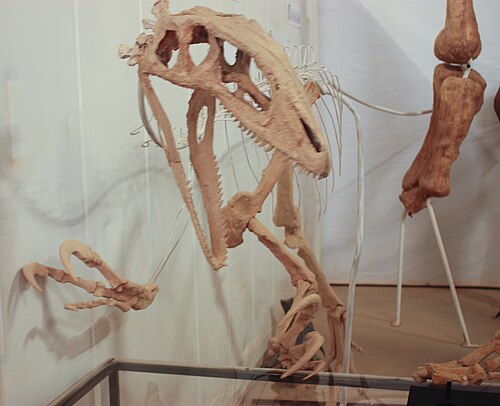
Close Relative Talisen / CC BY 2.0 · cc-by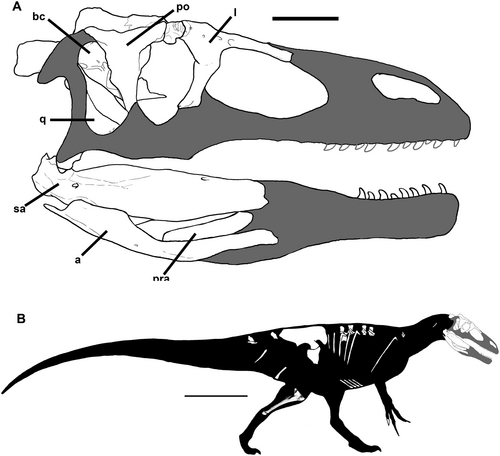
Close Relative Rodolfo A. Coria, Philip J. Currie / CC BY 4.0 · cc-by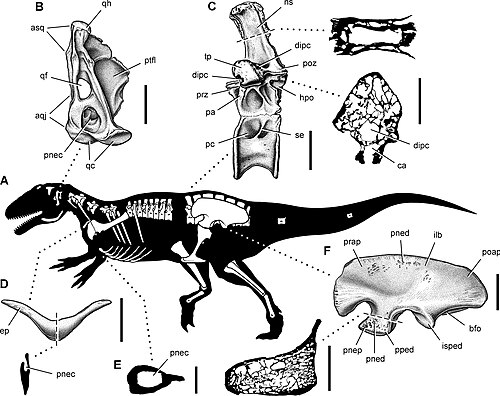
Close Relative C. Abraczinskas / CC BY 2.5 · cc-by
Help improve the field guideSomething wrong?
Checking your Fauna account…Report a name, category, or profile issue for review.