
Species · GBIF taxon 2332986
Leafy Seadragon
Phycodurus equesAlso known as Glauert's Seadragon
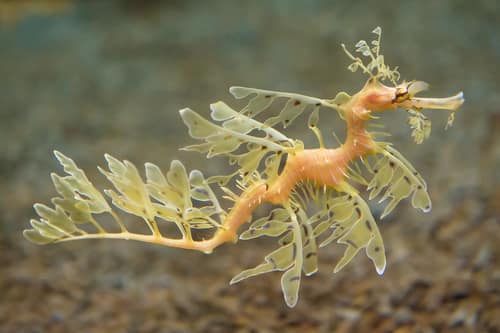
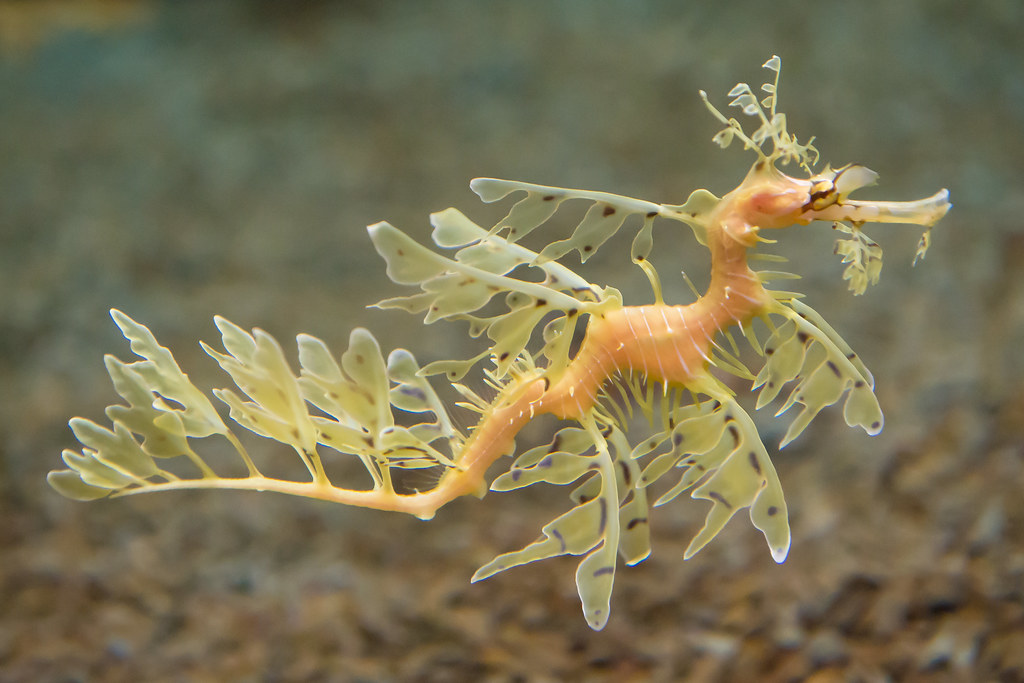
Leafy seadragons drift effortlessly through temperate Australian waters, perfectly mimicking floating kelp and seagrass with their elaborate, leaf-like skin filaments. These solitary creatures rely entirely on camouflage to escape predators, steering themselves with tiny, nearly transparent fins that flutter almost invisibly. During the breeding season, females deposit bright pink eggs onto the underside of the male's tail, where he fertilizes and carries them until they hatch.
CamouflagedMarineEndemic
—observations
—countries
—peak records
Least ConcernConservation statusIUCN Red List categoriesLCNTVUENCREWEXLeast ConcernRed List categories, explained →
Diet & prey
- Mysid shrimp
- Amphipods
- Planktonic copepods
Predators
- Sharks
- Large predatory fish
- Sea anemones
ThreatsHabitat loss, pollution, illegal poaching for the aquarium trade
HabitatsSeagrass meadows, kelp forests, rocky reefs
Life span7 to 10 years
Size / weightNot available
Classification
- FamilySyngnathidae
- SpeciesPhycodurus eques
Range data is not available yet.
Interaction riskLow
- Low
- Moderate
- High
- Very high
- Why interaction risk is low
- Harmless and safe to observe from a respectful distance.
- What to notice
- Look for elaborate, leaf-like appendages and a long, tubular snout drifting near kelp or seagrass beds.
- Support conservation
- Never touch, capture, or disturb seadragons; observe them passively without disrupting their position in the water column.
Responsible observation
- Maintain distance: Keep at least a few meters away to avoid stressing these delicate, slow-moving fish.
- Avoid flash photography: Bright artificial light can startle them and disrupt their natural behavior.
- Look closely: Scan the edges of kelp beds and seagrass lines where they blend in with drifting debris.
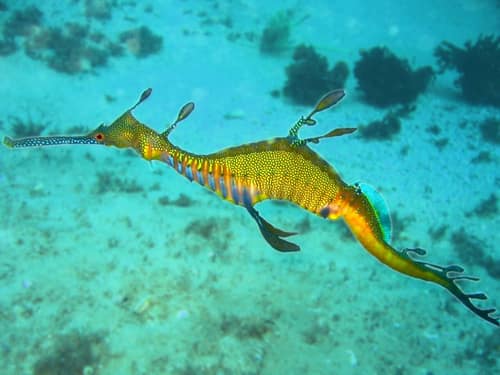
Close Relative Richard Ling <wikipedia@rling.com> -->Rling / CC BY-SA 3.0 · cc-by-sa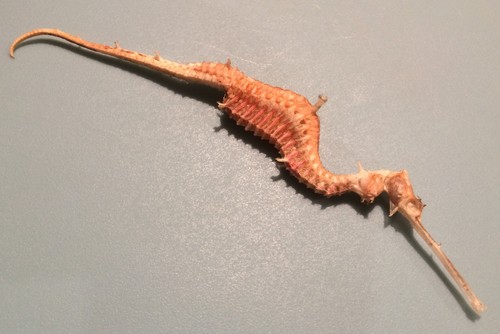
Close Relative (c) leonie_rennie, some rights reserved (CC BY) · cc-by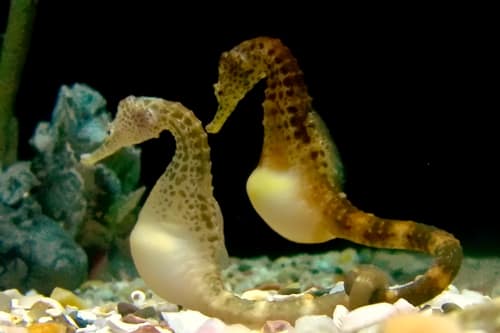
Family Member Joanne Merriam / CC BY-SA 3.0 · cc-by-sa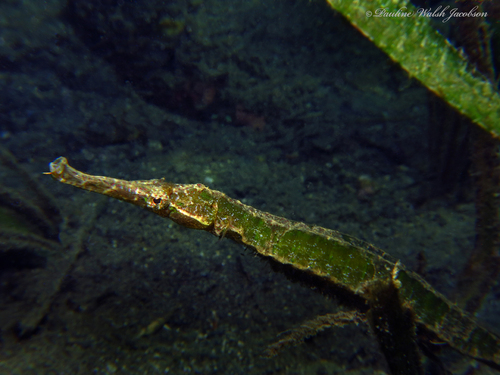
Family Member (c) Pauline Walsh Jacobson, some rights reserved (CC BY), uploaded by Pauline Walsh Jacobson · cc-by
Help improve the field guideSomething wrong?
Checking your Fauna account…Report a name, category, or profile issue for review.