
Species · GBIF taxon 2402120
Lake Sturgeon
Acipenser fulvescensAlso known as Rock Sturgeon, Red Sturgeon, Common Sturgeon
Lake sturgeon are living fossils that have cruised North American rivers and lakes for over 100 million years. They use four sensitive barbels on the underside of their pointed snouts to locate prey along muddy lakebeds before vacuuming up small invertebrates. Females can live well over a century, taking up to two decades to reach sexual maturity and spawning only once every few years.
FreshwaterAncientBottom Feeder
—observations
—countries
—peak records
EndangeredConservation statusIUCN Red List categoriesLCNTVUENCREWEXEndangeredRed List categories, explained →
Diet & prey
- Aquatic Insects
- Mollusks
- Crayfish
Predators
- Humans
- Sea Lamprey
ThreatsHistorical overfishing, dam construction blocking migration, and pollution
HabitatsLarge coldwater lakes, river channels, and deep gravelly pools
Life span50–150 years
Size / weightNot available
Classification
- OrderAcipenseriformes
- FamilyAcipenseridae
- GenusAcipenser
- SpeciesAcipenser fulvescens
Range data is not available yet.
Interaction riskLow
- Low
- Moderate
- High
- Very high
- Why interaction risk is low
- Safe to observe at a normal distance.
- What to notice
- Identified by a shark-like tail, five rows of raised bony scutes, and four barbels beneath a flattened snout.
- Support conservation
- Never lift a large sturgeon out of the water by its tail or gills, and maintain distance near spawning beds.
Responsible observation
- Observe from distance: Look for large shadows cruising shallow gravelly river beds during spring spawning runs.
- Handle with care: Keep hooked individuals submerged in water and release them quickly to reduce stress.
- Report sightings: Log observations with local wildlife management agencies to support conservation tracking.
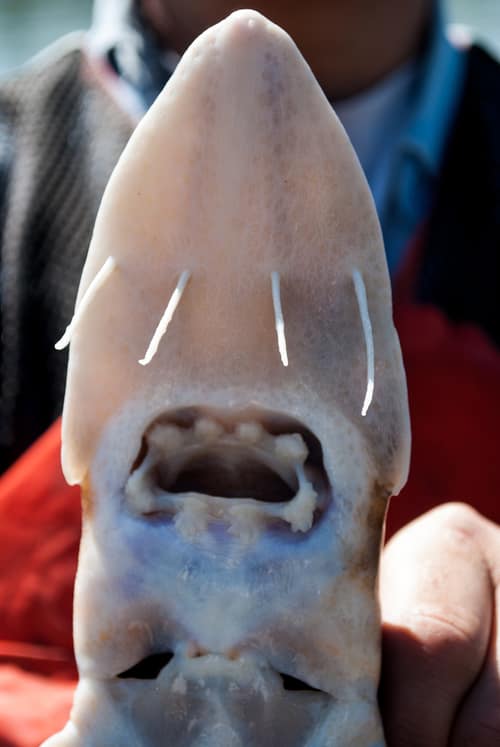
Co-Occurring Species (c) moxostoma, some rights reserved (CC BY), uploaded by moxostoma · cc-by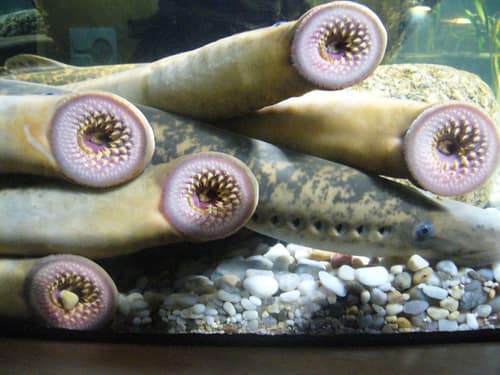
Parasite (c) Fernando Losada Rodríguez, some rights reserved (CC BY-SA) · cc-by-sa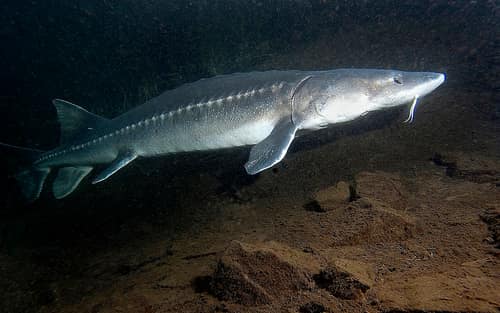
Close Relative Oregon Department of Fish & Wildlife / CC BY-SA 2.0 · cc-by-sa
Help improve the field guideSomething wrong?
Checking your Fauna account…Report a name, category, or profile issue for review.