Fauna
Invertebrate

Humboldt Squid

Dosidicus gigas

Also known as Red Devil, Jumbo Squid, Jumbo Flying Squid

Humboldt squid are formidable open-ocean predators known for flashing rapidly between deep crimson and pale white during group hunts. Utilizing powerful jet propulsion and arms lined with sharp-toothed suckers, they hunt in massive shoals hundreds of meters below the surface. Their sharp chitinous beaks easily slice through fish and crustaceans, making them dominant invertebrate predators of the eastern Pacific.

OceanicPredatoryBioluminescent
—observations
—countries
—peak records
Data DeficientConservation statusIUCN Red List categoriesLCNTVUENCREWEXData Deficient — not placed on the risk ladderRed List categories, explained →
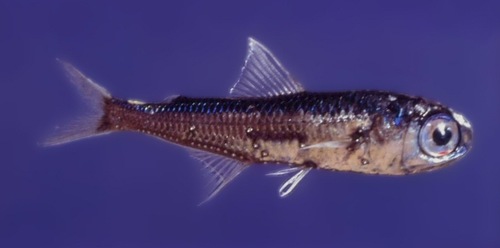
Diet & preyLanternfish, Pacific Sardine, Pelagic Red Crab
Predators
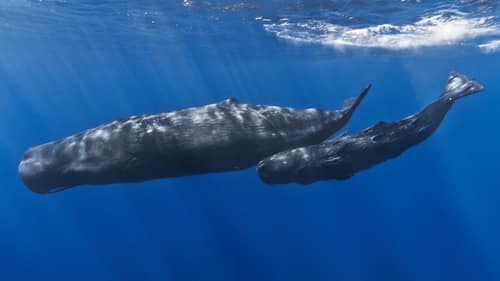
  • Sperm Whale
  • Swordfish
  • California Sea Lion
ThreatsCommercial squid jigging, shifting ocean currents, ocean hypoxia
HabitatsPelagic ocean, deep water zones (200–700 m)
Life span1–2 years
  1. FamilyOmmastrephidae
  2. SpeciesDosidicus gigas
Range data is not available yet.
Interaction riskHigh
  1. Low
  2. Moderate
  3. High
  4. Very high
Why interaction risk is high
Capable of inflicting severe bites with sharp beaks; maintain a safe distance when diving.
Why it is dangerous
Strong chitinous beaks and hooked tentacle suckers can inflict severe deep bites and skin tears on divers.
How to recognize a risky encounter
Recognized by a large torpedo-shaped reddish mantle, rapidly flickering skin, and muscular arms.
What to do
Back away slowly if swarmed underwater and never attempt to handle or corner an individual.
Responsible observation
  • Observation Distance: Maintain a generous distance from surface feeding aggregations near fishing vessels.
  • Diving Etiquette: Avoid flash photography or wearing highly reflective gear near swimming shoals.
Help improve the field guideSomething wrong?

Report a name, category, or profile issue for review.

Checking your Fauna account…