
Insect
Dictyoneura monyi
Dictyoneura monyiAlso known as Griffinfly, Giant Carboniferous Dragonfly
Meganeura monyi ranks among the largest known flying insects to have ever lived, ruling the skies of equatorial coal swamps roughly 300 million years ago. Equipped with immense spiny legs and sharp mandibles, this predatory giant snatched smaller insects and primitive amphibians directly from the air or dense foliage. Its enormous size was enabled by the hyper-oxygenated atmosphere of the Late Carboniferous, which allowed efficient tracheal respiration across its massive body frame.
PrehistoricCarnivorous
—observations
—countries
—peak records
ExtinctConservation statusIUCN Red List categoriesLCNTVUENCREWEXExtinctRed List categories, explained →
Diet & preyPaleodictyopterans, Small Temnospondyls, Primitive Cockroachoids
ThreatsAtmospheric oxygen decline and the Carboniferous rainforest collapse
HabitatsEquatorial swamp forests and humid wetlands
Life spanEstimated 1–3 years including aquatic nymph stage
Classification
- FamilyMeganeuridae
- SpeciesDictyoneura monyi
Range data is not available yet.
Interaction riskLow
- Low
- Moderate
- High
- Very high
- Why interaction risk is low
- Extinct prehistoric insect known only from fossil remains; poses no hazard.
Responsible observation
- Museum Specimens: Examine rare fossil impressions in natural history museum collections to observe the dense wing venation.
- Fossil Dating: Look for specimens preserved within siderite ironstone nodules from Late Carboniferous coal basins.
 Image unavailable
Prey 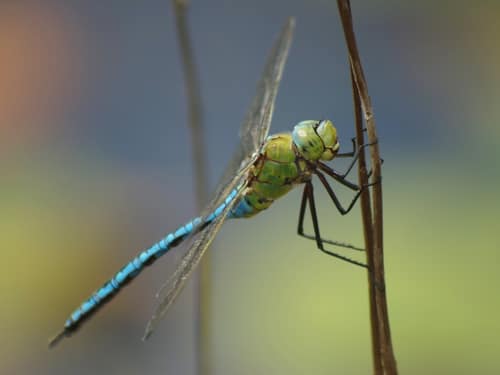
Distant Kin (c) Ludivine Lamare, some rights reserved (CC BY), uploaded by Ludivine Lamare · cc-by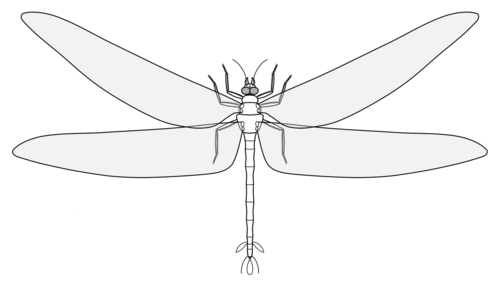
Close Relative Zyoute / CC BY-SA 4.0 · cc-by-sa
Help improve the field guideSomething wrong?
Checking your Fauna account…Report a name, category, or profile issue for review.