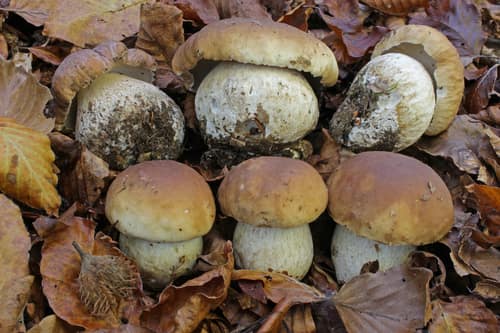
Grey boletes populate mixed hardwood and conifer forests across eastern North America, forming beneficial mycorrhizal partnerships primarily with oaks. They feature a distinct pale greyish-brown to charcoal cap supported by a prominent stem covered in a dark, raised network of reticulation. Underneath the cap, light grey pores turn yellowish-grey with age and slowly bruise darker grey when bruised or cut.
FungusMycorrhizalForest
—observations
—countries
—peak records
Not EvaluatedConservation statusIUCN Red List categoriesLCNTVUENCREWEXNot Evaluated — not placed on the risk ladderRed List categories, explained →
Key facts
Diet & preyMycorrhizal
Predators
Fungus Gnats
Slugs
Squirrels
ThreatsHabitat destruction and soil degradation
HabitatsHardwood and mixed forests
Life spanFruiting body lasts 1–2 weeks; underground mycelium lives for years
Classification
OrderBoletales
FamilyBoletaceae
GenusRetiboletus
SpeciesRetiboletus griseus
Range & activity
Range data is not available yet.
Safe observation
Interaction riskLow
Low
Moderate
High
Very high
Why interaction risk is low
Many edible mushrooms have toxic look-alikes; never eat wild fungi based on app identification alone.
Responsible observation
Inspect the Stipe: Look closely at the stem to observe the characteristic coarse reticulation pattern.
Check Pore Surface: Lightly press or cut the pore surface to note subtle color changes upon bruising.
Note Tree Associations: Look for nearby oaks and hardwoods that form root associations with this mushroom.

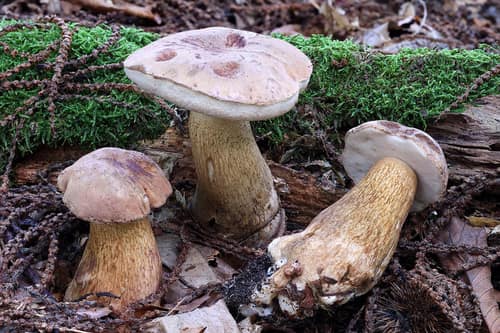
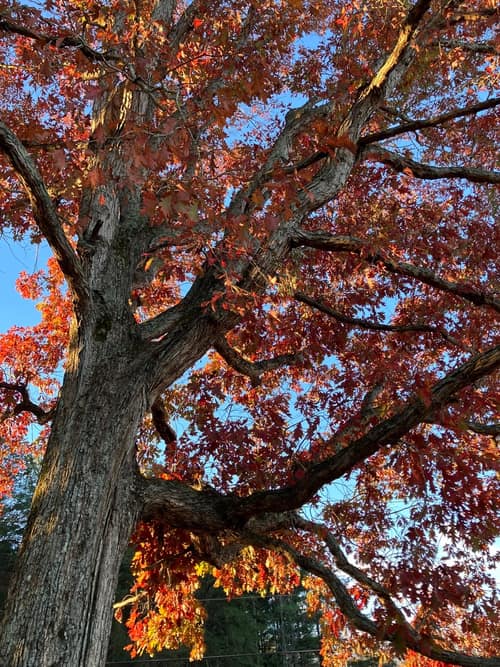
 Image unavailable