
Plant · GBIF taxon 8077391
Bitter Orange
Citrus aurantiumAlso known as Sour Orange, Seville Orange, Bigarade Orange, Marmalade Orange
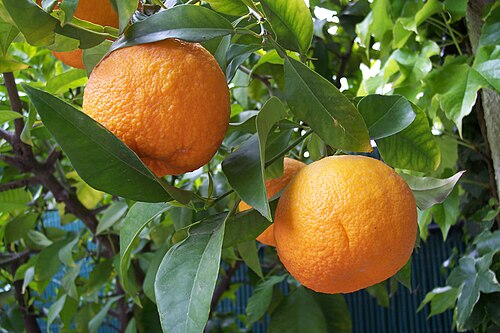
Bitter orange trees bear glossy evergreen foliage and remarkably fragrant blossoms known as neroli, which perfume orchards across subtropical regions. Sharp, slender spines guard the flexible twigs, while the textured, deep orange fruits persist on the canopy through the winter months. Widely cultivated as a sturdy, disease-resistant rootstock for sweet citrus varieties, the tree also readily naturalizes along damp woodlands and abandoned orchards.
AromaticFloweringEvergreen
—observations
—countries
—peak records
Not EvaluatedConservation statusIUCN Red List categoriesLCNTVUENCREWEXNot Evaluated — not placed on the risk ladderRed List categories, explained →
Diet & prey
- Autotrophic (photosynthesis)
Predators
- Citrus Swallowtail Caterpillar
- Asian Citrus Psyllid
- Brown Soft Scale
ThreatsCitrus greening disease (Huanglongbing), citrus canker, extreme frost
HabitatsSubtropical forests, riverbanks, orchards, Mediterranean scrub
Life span50–100 years
Classification
- FamilyRutaceae
- SpeciesCitrus aurantium
Range data is not available yet.
Interaction riskHigh
- Low
- Moderate
- High
- Very high
- Why interaction risk is high
- Wild fruits have toxic look-alikes; peel oils cause sun-induced rashes, and parts are toxic to pets.
- Why it is dangerous
- Peel oils contain furocoumarins that cause painful phytophotodermatitis upon sun exposure, as well as essential oils toxic to dogs and cats.
- How to recognize a risky encounter
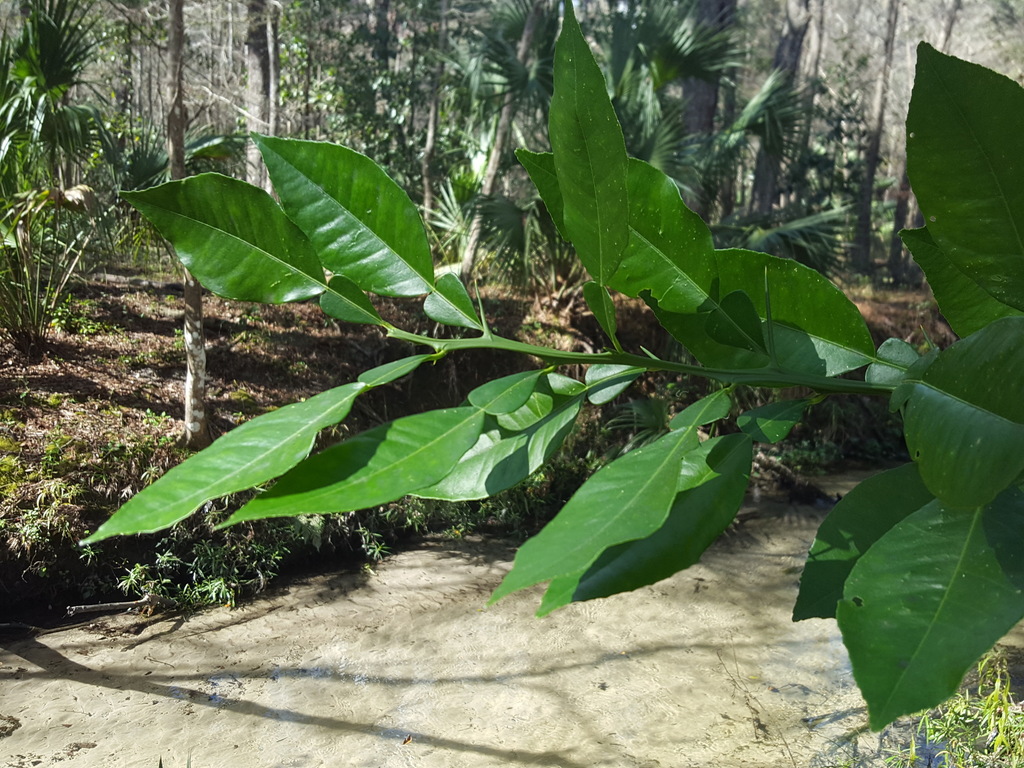
- Look for prominently winged leaf stems, sharp branch thorns, rough dimpled orange fruit, and heavily scented white flowers.
- What to do
- Rinse hands immediately if fruit oils make contact with bare skin, and ensure pets do not chew leaves, twigs, or fallen rind.
Responsible observation
- Pruning Care: Wear thick protective gloves to navigate the stiff, sharp spines hidden along mature branch junctions.
- Sun Protection: Wash skin thoroughly with soap after handling broken peels before stepping outside into bright sunlight.
- Pest Monitoring: Inspect leaf undersides for sticky honeydew or aphid clusters that attract black sooty mold.
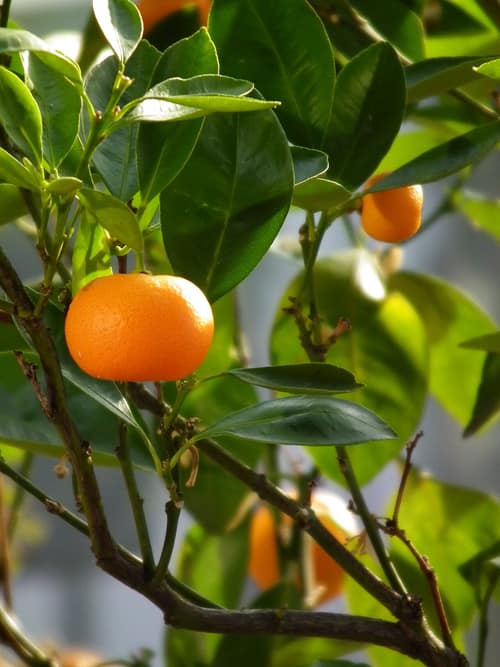
Parent Species 4028mdk09 / CC BY-SA 3.0 · cc-by-sa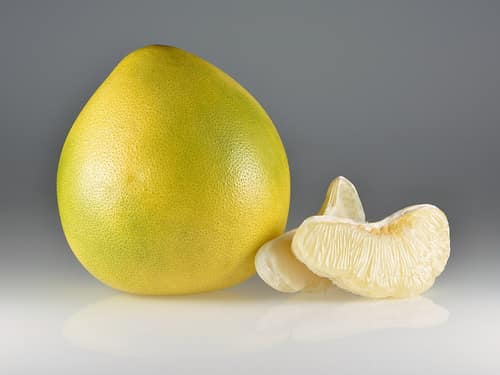
Parent Species Ivar Leidus / CC BY-SA 4.0 · cc-by-sa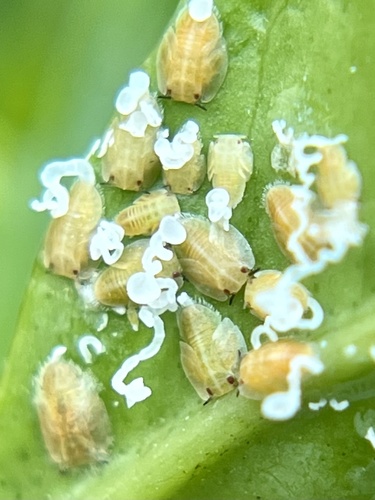
Parasite (c) Sandra H Statner, some rights reserved (CC BY), uploaded by Sandra H Statner · cc-by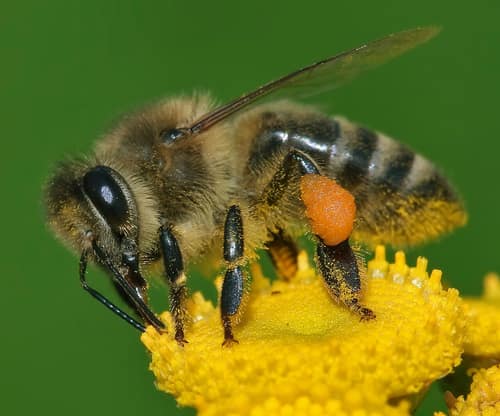
Pollinator Andreas Trepte / CC BY-SA 2.5 · cc-by-sa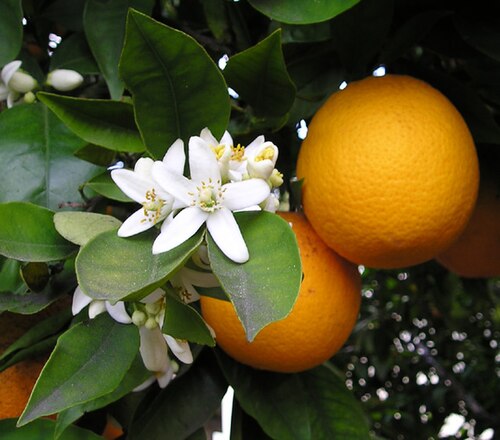
Close Relative Ellen Levy Finch (Elf) / CC BY-SA 3.0 · cc-by-sa
Help improve the field guideSomething wrong?
Checking your Fauna account…Report a name, category, or profile issue for review.