
Insect
Pearl Crescent
Phyciodes tharosPearl crescents patrol open meadows, field margins, and sunny roadsides in search of mates and nectar plants. Males aggressively defend small territories from perches, darting out to challenge passing butterflies of almost any size. Caterpillars feed in clusters on wild asters, while adults produce multiple overlapping generations each year.
PollinatorSun-LovingCommon
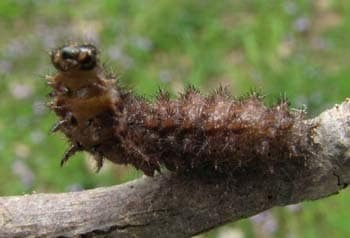
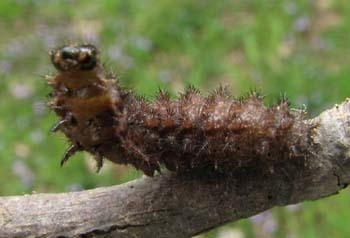
—observations
—countries
—peak records
Least ConcernConservation statusIUCN Red List categoriesLCNTVUENCREWEXLeast ConcernRed List categories, explained →
Diet & preyAster nectar, Clover nectar, Milkweed nectar
Predators
- Songbirds
- Crab spiders
- Praying mantises
ThreatsPesticide application, intensive mowing, and habitat conversion
HabitatsFields, pastures, roadsides, vacant lots, and open pine woods
Life span1–2 weeks as adult; several months total including overwintering larva
Classification
- OrderLepidoptera
- FamilyNymphalidae
- GenusPhyciodes
- SpeciesPhyciodes tharos
Range data is not available yet.
Interaction riskLow
- Low
- Moderate
- High
- Very high
- Why interaction risk is low
- Safe to observe at a normal distance.
Responsible observation
- Observation: Approach slowly in sunny fields while adults rest on flowers or low foliage.
- Gardening: Cultivate native asters to encourage females to lay eggs in your yard.
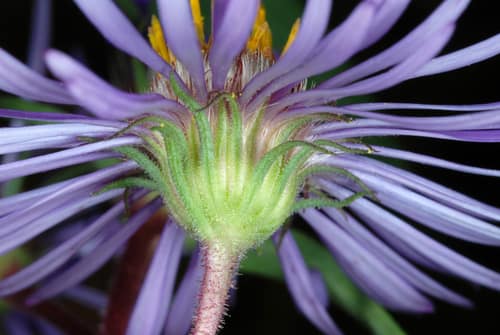
Host Plant (c) Douglas Goldman, some rights reserved (CC BY-SA), uploaded by Douglas Goldman · cc-by-sa Image unavailable
Close Relative 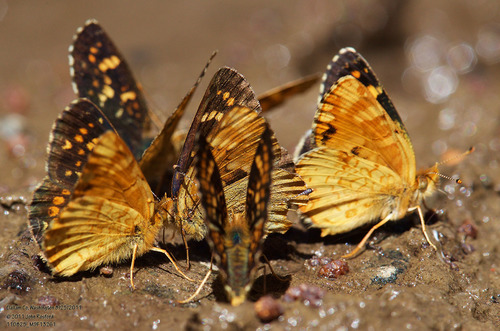
Close Relative (c) John Rosford, some rights reserved (CC BY), uploaded by John Rosford · cc-by
Keep collecting in Fauna
Found in Collections
Ecosystem chain Pro
Mystic Meadows
Pearl Crescent is found in this collection. Identify it in Fauna to fill this slot and continue your progress.
Unlock to track progress
Help improve the field guideSomething wrong?
Checking your Fauna account…Report a name, category, or profile issue for review.