
Plant
Western Joshua Tree
Yucca brevifoliaAlso known as Joshua Tree, Yucca Palm, Tree Yucca, Palm Tree Yucca
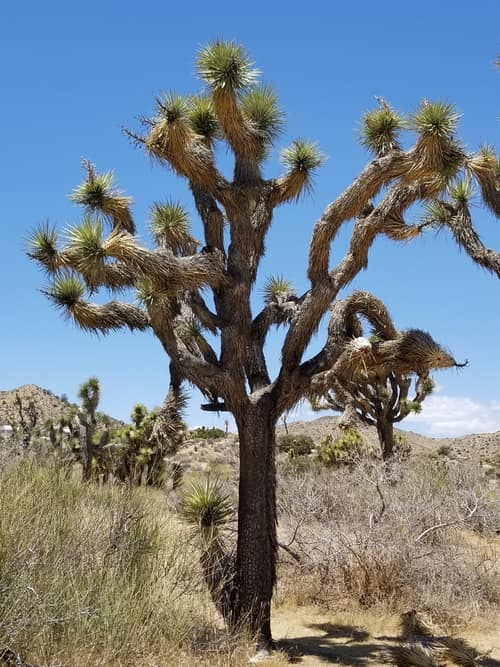
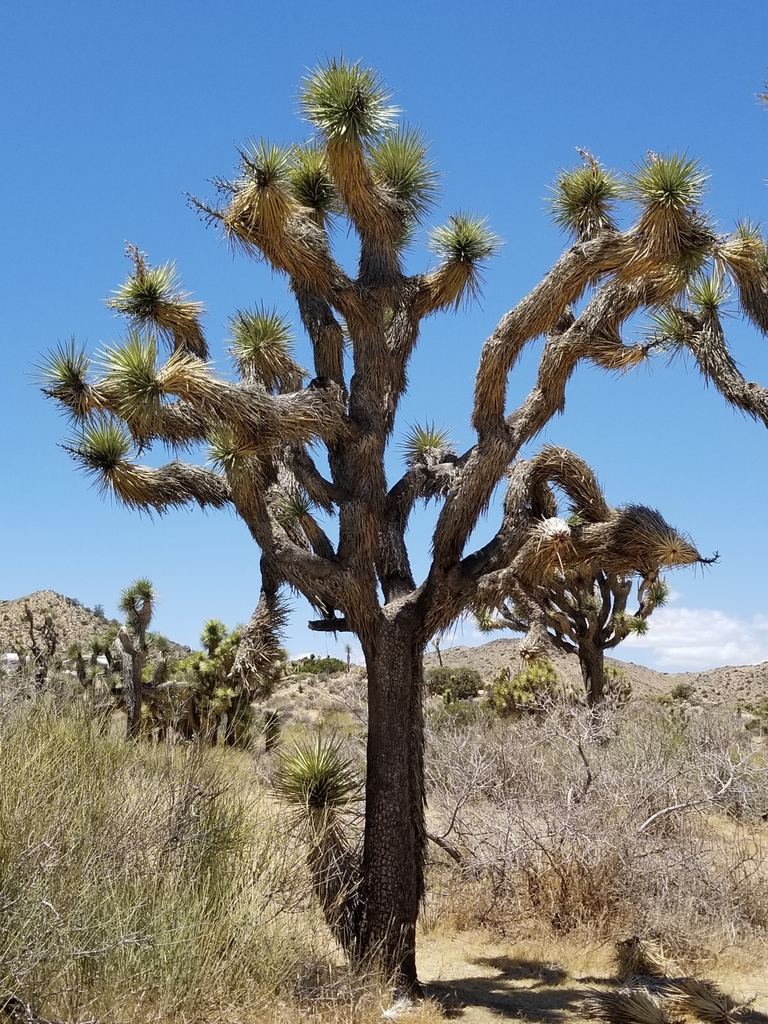
Western Joshua trees define the skyline of the Mojave Desert with their eccentric, zig-zagging branches tipped by dense rosettes of sharp, dagger-like leaves. They rely entirely on a mutualistic relationship with yucca moths, which actively pollinate their waxy, bell-shaped spring flowers in exchange for laying eggs within the developing seed pods. These slow-growing monocots can survive for centuries, providing critical shelter, nesting cavities, and moisture for a vast array of desert wildlife.
DesertEvergreenIconic
—observations
—countries
—peak records
Least ConcernConservation statusIUCN Red List categoriesLCNTVUENCREWEXLeast ConcernRed List categories, explained →
Diet & preySunlight, Soil nutrients, Groundwater
Predators
- Black-tailed Jackrabbit
- Desert Woodrat
- Domestic Cattle
ThreatsClimate change, prolonged drought, invasive grass-fueled wildfires, and habitat loss from urban development
HabitatsArid Mojave Desert plains, bajadas, and gentle rocky slopes between 400 and 2,200 meters elevation
Life span150–300 years (exceptional individuals may exceed 500 years)
Classification
- OrderAsparagales
- FamilyAsparagaceae
- GenusYucca
- SpeciesYucca brevifolia
Range data is not available yet.
Interaction riskLow
- Low
- Moderate
- High
- Very high
- Why interaction risk is low
- Safe to observe at a normal distance; rigid, spine-tipped leaves can puncture skin if bumped.
- What to notice
- Look for a distinct tree-like yucca with spreading, bifurcated branches and short, stiff, blue-green leaves clustered at stem tips.
- Support conservation
- Observe and photograph from established trails without stepping on surrounding biocrust or touching sensitive limbs and seedlings.
Responsible observation
- Avoid Touching: Leaf tips are extremely stiff and sharp, capable of piercing clothing and skin.
- Do Not Climb: Fibrous, brittle branches break easily under human weight and cannot regrow.
- Stay on Trails: Shallow surface root systems are easily damaged by foot traffic and off-road vehicles.
 Image unavailable
Obligate Pollinator 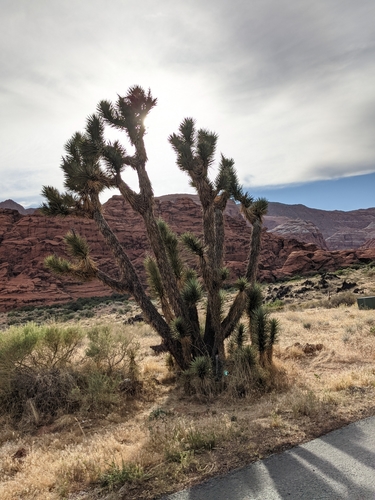
Sister Species (c) Jacob Saucier, some rights reserved (CC BY), uploaded by Jacob Saucier · cc-by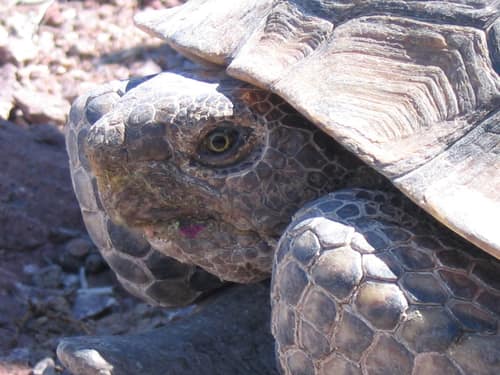
Frequent Companion (c) Pacific Southwest Region USFWS, some rights reserved (CC BY) · cc-by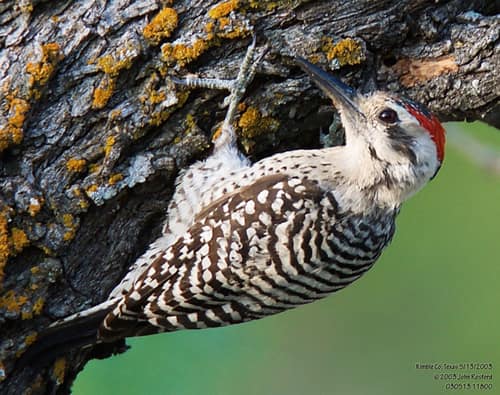
Nesting Associate (c) John Rosford, some rights reserved (CC BY) · cc-by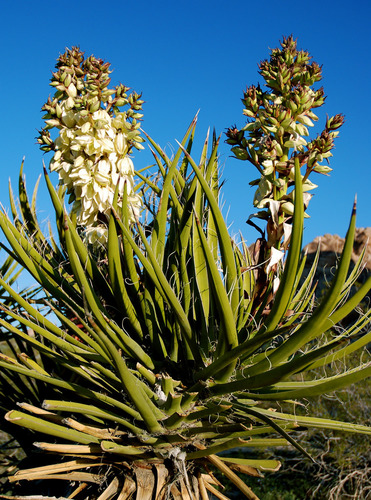
Close Relative (c) Jay Iwasaki, some rights reserved (CC BY) · cc-by
Help improve the field guideSomething wrong?
Checking your Fauna account…Report a name, category, or profile issue for review.