
Fish
Corax falcatus
Corax falcatusAlso known as Crow Shark, Falcate Crow Shark
Crow sharks prowled shallow Mesozoic seaways, acting as swift opportunistic hunters and vital scavengers of large marine carcasses. Fossil bite marks preserved on plesiosaur bones, turtle carapaces, and fallen pterosaurs demonstrate an indiscriminate diet across the Western Interior Seaway. Their heavily serrated, sickle-shaped teeth functioned much like those of modern tiger sharks, slicing cleanly through dense bone and tough hide.
PrehistoricCarnivore
—observations
—countries
—peak records
ExtinctConservation statusIUCN Red List categoriesLCNTVUENCREWEXExtinctRed List categories, explained →
Diet & preyBony fish, Marine turtles, Plesiosaurs
Predators
- Ginsu Shark
- Tylosaurus
- Mosasaurus
ThreatsMarine ecosystem disruption and competition with larger lamniform sharks
HabitatsWarm shallow epicontinental seas and coastal marine shelf waters
Life span15–25 years
Classification
- FamilyLamnidae
- SpeciesCorax falcatus
Range data is not available yet.
Interaction riskLow
- Low
- Moderate
- High
- Very high
- Why interaction risk is low
- Extinct prehistoric shark known only from Cretaceous fossil remains.
Responsible observation
- Fossil Identification: Look for notched, crescent-shaped teeth with finely serrated margins.
- Matrix Inspection: Examine chalk or marine shale formations dating to the Cretaceous period.
 Image unavailable
Same Genus 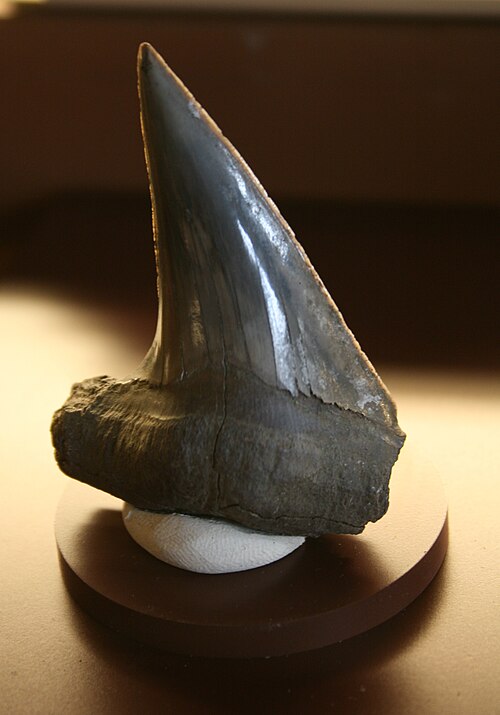
Competitor User:A,Ocram / Public domain · cc0Predator
Help improve the field guideSomething wrong?
Checking your Fauna account…Report a name, category, or profile issue for review.