
Plant · GBIF taxon 5333237
Chinese chestnut
Castanea mollissimaAlso known as Tianjin Chestnut
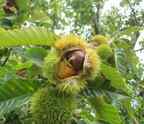
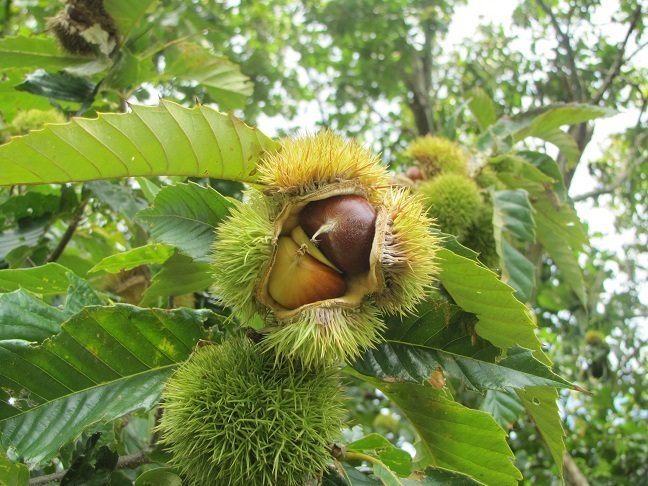
Chinese chestnut trees feature spreading canopies, glossy serrated leaves, and extraordinary resistance to chestnut blight. In late spring, long cream-colored catkins emit a pungent musky aroma that attracts diverse insect pollinators. By mid-autumn, sharp prickly burs split open on the branches to drop rounded mahogany-colored nuts.
DeciduousBlight ResistantNut Bearing
—observations
—countries
—peak records
Least ConcernConservation statusIUCN Red List categoriesLCNTVUENCREWEXLeast ConcernRed List categories, explained →
Diet & prey
- Sunlight
- Water
- Soil Nutrients
Predators
- Squirrels
- White-Tailed Deer
- Blue Jays
ThreatsHabitat loss, oriental chestnut gall wasp, phytophthora root rot
HabitatsTemperate forests, orchards, mixed woodlands, hillsides
Life span100–300 years
Size / weightNot available
Classification
- OrderFagales
- FamilyFagaceae
- GenusCastanea
- SpeciesCastanea mollissima
Range data is not available yet.
Interaction riskLow
- Low
- Moderate
- High
- Very high
- Why interaction risk is low
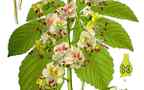
- Wild nuts have toxic look-alikes like horse chestnuts; never eat wild forage based on app identification alone.
Responsible observation
- Observe Burs: Look for dense, spiky burs along twigs from late summer through autumn.
- Examine Leaf Margins: Check leaf teeth, which are shorter and more rounded than American chestnut teeth.
- Watch for Pollinators: Visit blooming trees in early summer to spot beetles and bees visiting catkins.
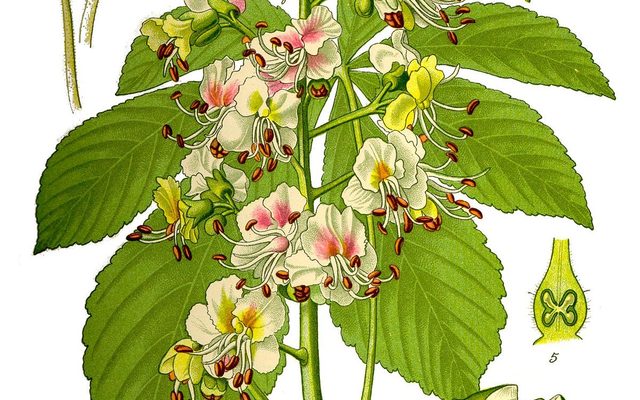
Toxic Look-Alike User:Kilom691 / Public domain · cc0
Parasite 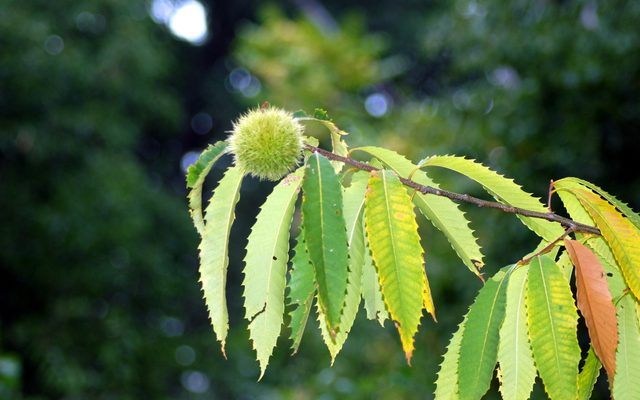
Close Relative (c) Bob MacInnes, some rights reserved (CC BY) · cc-by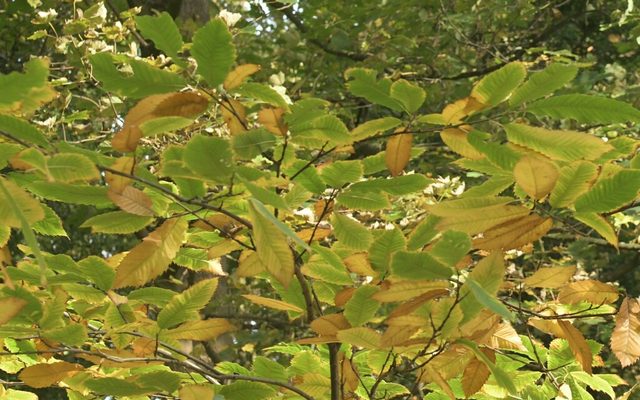
Close Relative no rights reserved · cc0
Help improve the field guideSomething wrong?
Checking your Fauna account…Report a name, category, or profile issue for review.