
Plant · GBIF taxon 2853283
Sea Daffodil
Pancratium maritimumSea Daffodil sends fragrant white star-shaped flowers from bulbs buried deep in coastal sand. The blooms open above shifting dunes where waxy leaves and extensive roots tolerate heat, salt spray, and scarce nutrients.
Coastal BulbFragrant FlowersSalt Tolerant
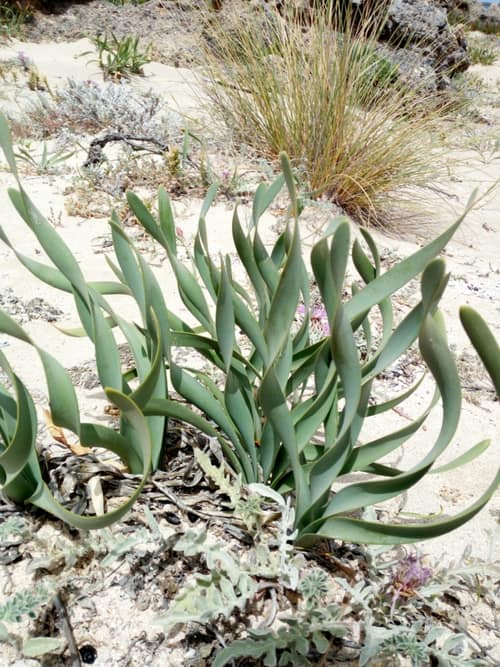
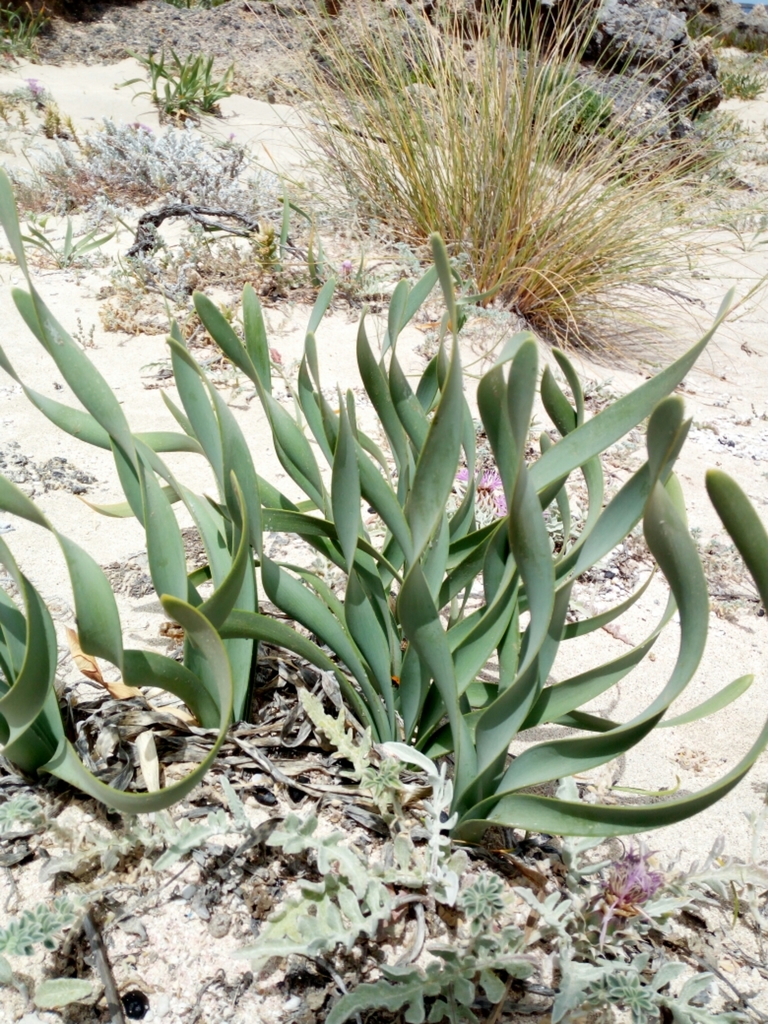
—observations
—countries
—peak records
Not EvaluatedConservation statusIUCN Red List categoriesLCNTVUENCREWEXNot Evaluated — not placed on the risk ladderRed List categories, explained →
Diet & prey
- Photosynthesis; roots absorb water and mineral nutrients
Predators
- Bulb-feeding insects
- Snails
- Rodents
ThreatsDune development, trampling, beach grooming, erosion, and illegal digging
HabitatsCoastal dunes, sandy flats, and upper beaches above normal high water
Life spanA perennial bulb that can survive and flower for many years
Classification
- FamilyAmaryllidaceae
- SpeciesPancratium maritimum
Range data is not available yet.
Interaction riskHigh
- Low
- Moderate
- High
- Very high
- Why interaction risk is high
- Bulbs and other tissues contain toxic alkaloids; do not ingest them, and keep children and pets away.
- Why it is dangerous
- Amaryllid alkaloids in the bulb and other tissues can cause vomiting, abdominal pain, weakness, and more serious poisoning.
- How to recognize a risky encounter
- Identify white star-like petals around a central trumpet, with strap-shaped leaves emerging directly from coastal sand.
- What to do
- Never taste, dig, or transplant the plant, and prevent children and pets from chewing any tissue.
Responsible observation
- Timing: Look near evening when fresh white flowers open and release scent.
- Habitat: Observe from marked access routes without stepping into dune vegetation.
Help improve the field guideSomething wrong?
Checking your Fauna account…Report a name, category, or profile issue for review.