
Invertebrate
Hyolithes carinatus
Hyolithes carinatusHaplophrentis carinatus was an abundant, shell-bearing Cambrian animal that rested on muddy seafloors, propping and stabilizing itself with two curved lateral spines called helens. Exquisite soft-tissue preservation from the Burgess Shale revealed a retractable, tentacle-bearing feeding organ, clarifying its evolutionary relationship to modern lophophorates like brachiopods. Shells commonly turn up stacked inside the fossilized digestive tracts of priapulid worms, offering a remarkable record of early Paleozoic predation.
CambrianBenthic
—observations
—countries
—peak records
ExtinctConservation statusIUCN Red List categoriesLCNTVUENCREWEXExtinctRed List categories, explained →
Diet & preyOrganic detritus, Phytoplankton
Predators
- Priapulid worms (Ottoia prolifica)
- Anomalocaridids
ThreatsPriapulid worm predation and Cambrian marine turnover
HabitatsCambrian shallow marine seafloors
Life spanEstimated 1–3 years
Classification
- FamilyHyolithidae
- SpeciesHyolithes carinatus
Range data is not available yet.
Interaction riskLow
- Low
- Moderate
- High
- Very high
- Why interaction risk is low
- Safe to observe at a normal distance.
Responsible observation
- Fossil Observation: Inspect shale slabs under low-angle cross-light to highlight subtle relief in the operculum and helens.
- Museum Collections: Search for specimens preserved directly within fossilized digestive tracts of Burgess Shale worms.
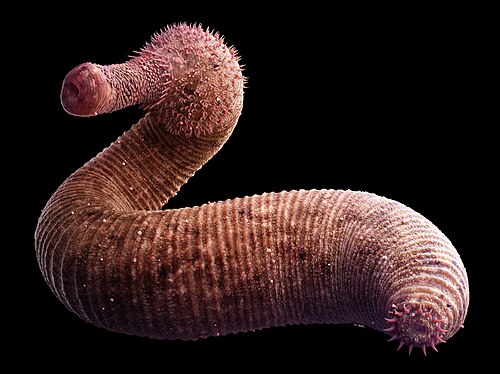
Predator PaleoEquii / CC BY-SA 4.0 · cc-by-sa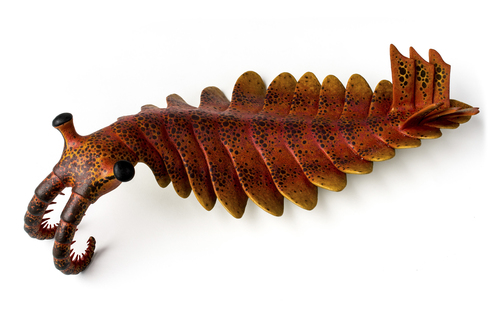
Co-occurring Predator (c) anonymous, some rights reserved (CC BY-SA) · cc-by-sa Image unavailable
Close Relative
Help improve the field guideSomething wrong?
Checking your Fauna account…Report a name, category, or profile issue for review.