Plant · GBIF taxon 2687771
Asian Podocarp
Nageia wallichianaAlso known as Wallich's Nageia, Broadleaf Podocarp
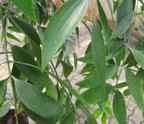
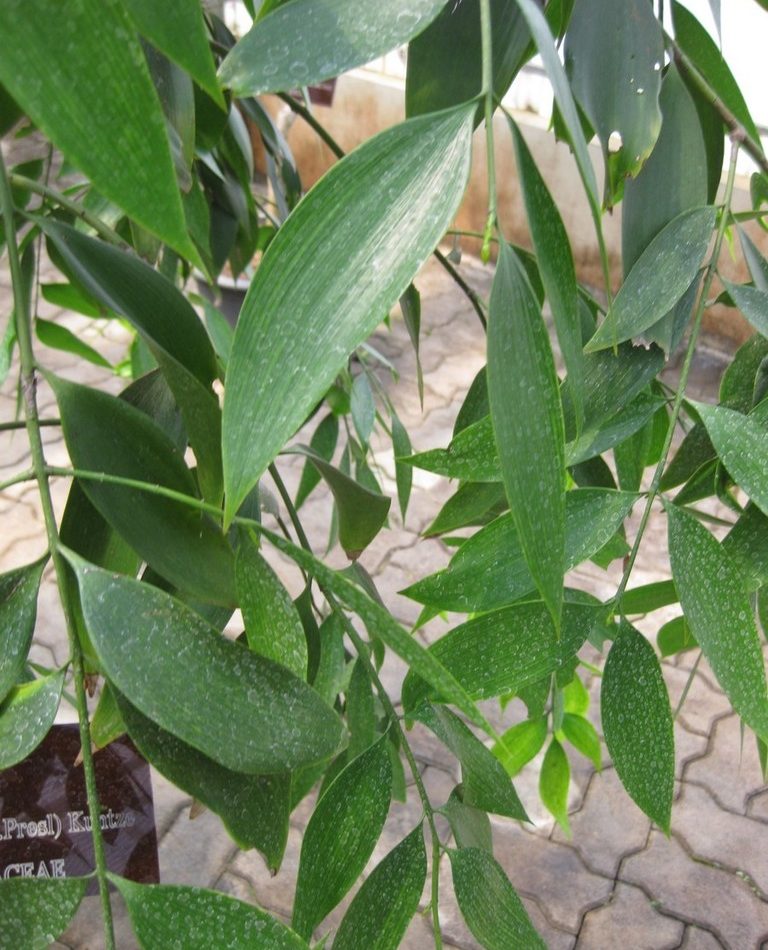
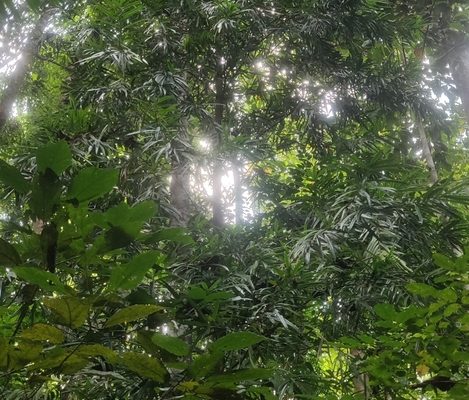
Asian Podocarps tower above old-growth tropical rainforests, featuring broad, lance-shaped foliage that easily tricks observers into mistaking them for flowering broadleaf trees. Mature individuals produce fleshy, berry-like seed cones that attract canopy-dwelling birds and mammals to spread their seeds across island networks. Their vast geographic distribution spans pristine lowland and montane forests from eastern India through much of Southeast Asia.
TreeRainforestEvergreen

Licensed reference(c) Raffi Kojian, some rights reserved (CC BY-SA) · cc-by-sa
—observations
—countries
—peak records
Least ConcernConservation statusIUCN Red List categoriesLCNTVUENCREWEXLeast ConcernRed List categories, explained →
Diet & prey
- Autotrophic (Photosynthesis)
Predators
Not available
ThreatsDeforestation, land conversion, targeted logging for timber
HabitatsLowland tropical rainforests, lower montane forests, ridge forests
Life span100–300+ years
Size / weightNot available
Classification
- FamilyPodocarpaceae
- SpeciesNageia wallichiana
Range data is not available yet.
Interaction riskLow
- Low
- Moderate
- High
- Very high
- Why interaction risk is low
- Safe to observe at a normal distance.
Responsible observation
- Foliage Inspection: Look closely at the leaves to notice multiple parallel veins without a prominent midrib, distinguishing it from broadleaf flowering trees.
- Canopy Scanning: Search high in primary tropical rainforests for straight, tall trunks emerging above the understory.

Help improve the field guideSomething wrong?
Checking your Fauna account…Report a name, category, or profile issue for review.