
Plant
Bearberry
Arctostaphylos uva-ursiAlso known as Kinnikinnick, Bear's Grape, Mealberry, Red Bearberry
Bearberry forms dense, creeping evergreen mats that carpet rocky outcrops, sandy barrens, and subarctic heathlands across the Northern Hemisphere. Urn-shaped pink and white flowers bloom in late spring, attracting early queen bumblebees before ripening into scarlet, mealy berries that persist well into winter. Adapted to impoverished soils, its leathery foliage and extensive rooting systems help stabilize loose slopes while resisting desiccating alpine winds.
EvergreenAlpineGroundcover
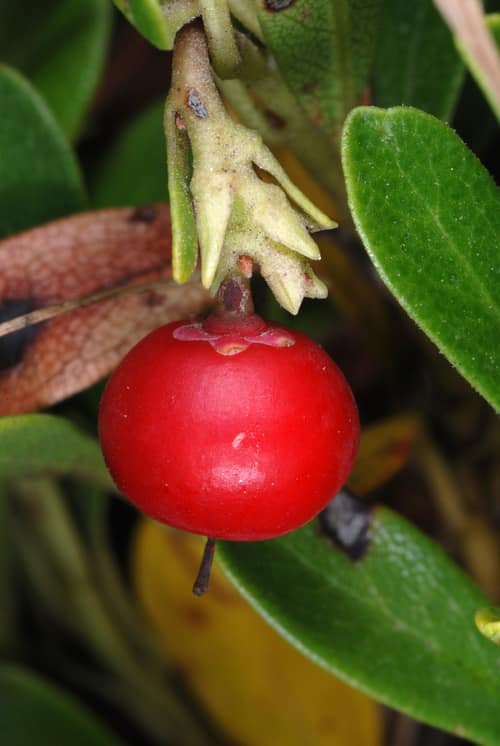
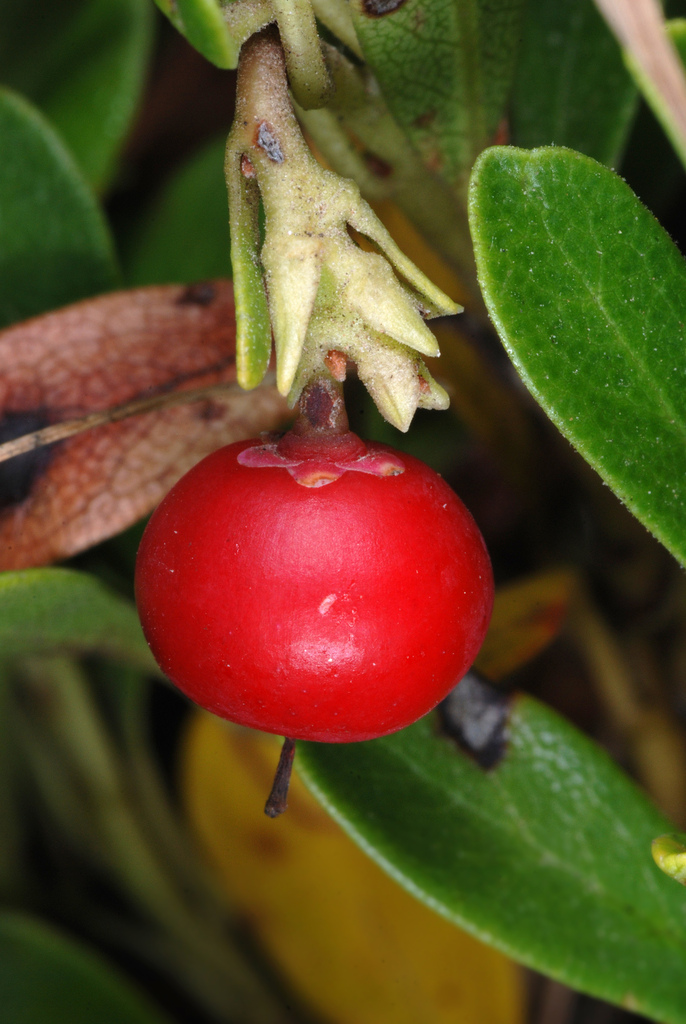
—observations
—countries
—peak records
Least ConcernConservation statusIUCN Red List categoriesLCNTVUENCREWEXLeast ConcernRed List categories, explained →
Diet & preySunlight, Water, Soil minerals
Predators
- Brown Bear
- Cedar Waxwing
- Ruffed Grouse
ThreatsHabitat fragmentation, climate warming at southern range margins, and recreational trampling
HabitatsBoreal forests, rocky outcrops, alpine tundra, sand dunes, and acidic heathlands
Life spanPerennial; individual clonal mats can live 50–100+ years
Classification
- FamilyEricaceae
- SpeciesArctostaphylos uva-ursi
Range data is not available yet.
Interaction riskLow
- Low
- Moderate
- High
- Very high
- Why interaction risk is low
- Wild berries have toxic look-alikes; never eat based on app identification alone.
Responsible observation
- Seasonal timing: Look for miniature hanging bell flowers in May and vibrant red berries from August through winter.
- Habitat spotting: Search open sandy soils, coastal dunes, and exposed granite ledges in northern climates.
- Tread lightly: Step carefully around trailing mats on dunes and alpine crests where recovery from trampling is slow.
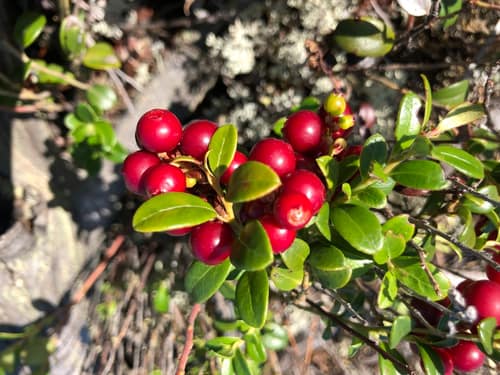
Frequent Companion (c) Valerii Glazunov, some rights reserved (CC BY), uploaded by Valerii Glazunov · cc-by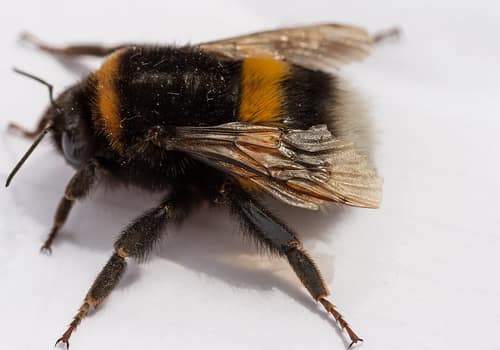
Pollinator Marco Almbauer / CC0 · cc0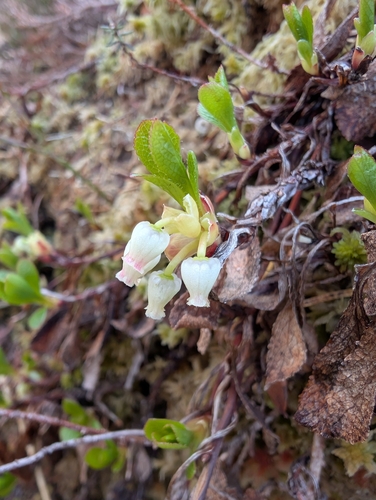
Close Relative (c) Michael D. Pirie, some rights reserved (CC BY), uploaded by Michael D. Pirie · cc-by Image unavailable
Close Relative
Help improve the field guideSomething wrong?
Checking your Fauna account…Report a name, category, or profile issue for review.