
Mammal · GBIF taxon 6164705
African Wildcat
Felis silvestris lybicaAlso known as Near Eastern Wildcat, Desert Wildcat, African Wild Cat, Bush Cat
African wildcats closely resemble slender domestic tabby cats, possessing noticeably longer legs and a reddish tinge behind their ears. These solitary hunters roam dry savannas and deserts, patrolling established territories mostly under cover of night. As the direct wild ancestor of domestic cats, their partnership with human grain farmers began over 9,000 years ago in the Fertile Crescent.
NocturnalCarnivoreSolitary
—observations
—countries
—peak records
Least ConcernConservation statusIUCN Red List categoriesLCNTVUENCREWEXLeast ConcernRed List categories, explained →
Diet & prey
- Rodents
- Birds
- Lizards
Predators
- Leopards
- Caracals
- Large Raptors
ThreatsGenetic hybridization with domestic cats, habitat loss, human persecution
HabitatsDeserts, savannas, shrublands, grasslands
Life span12–15 years in the wild
Size / weightNot available
Classification
- FamilyFelidae
- SpeciesFelis silvestris lybica
Range data is not available yet.
Interaction riskLow
- Low
- Moderate
- High
- Very high
- Why interaction risk is low
- May bite or scratch if cornered or handled; keep a safe distance.
- What to notice
- Recognized by long legs, reddish ear backs, and faint vertical side stripes.
- Support conservation
- Observe quietly from afar without disturbing hunting behavior, and support local pet spay and neuter efforts.
Responsible observation
- Observation Timing: Scan open savanna edges at dawn or twilight when hunting activity peaks.
- Distance Keeping: Maintain a generous distance to avoid scaring cats away from their prey.
- Visual Cues: Look for distinct reddish fur behind the ears to distinguish from feral cats.
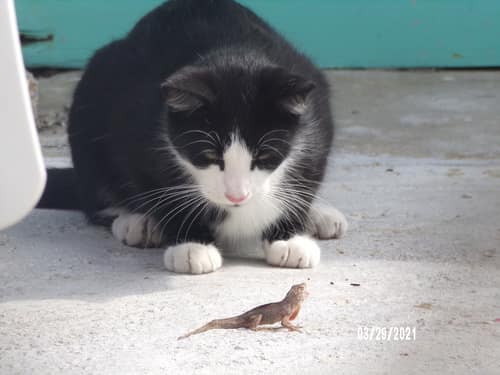
Descendant (c) chloe ⋆˚꩜。, some rights reserved (CC BY-SA) · cc-by-sa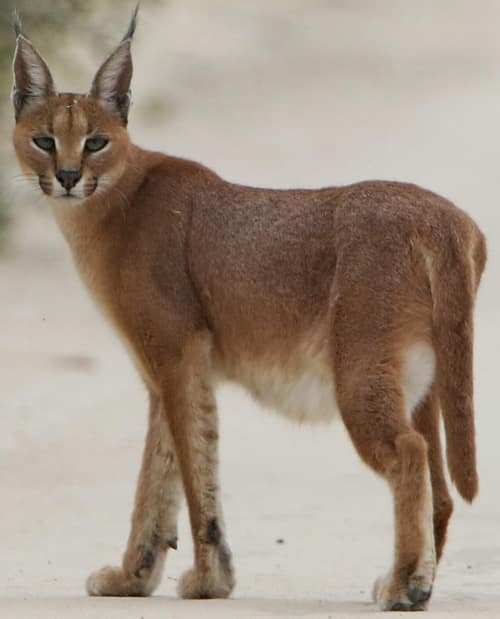
Competitor Derek Keats / CC BY 2.0 · cc-by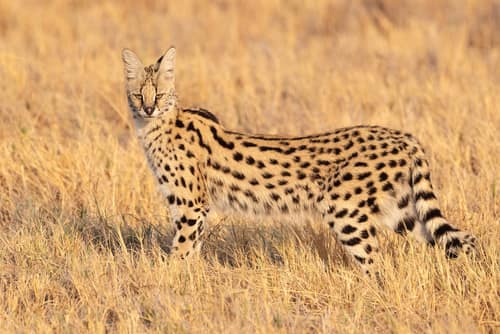
Competitor (c) Morten Ross, some rights reserved (CC BY), uploaded by Morten Ross · cc-by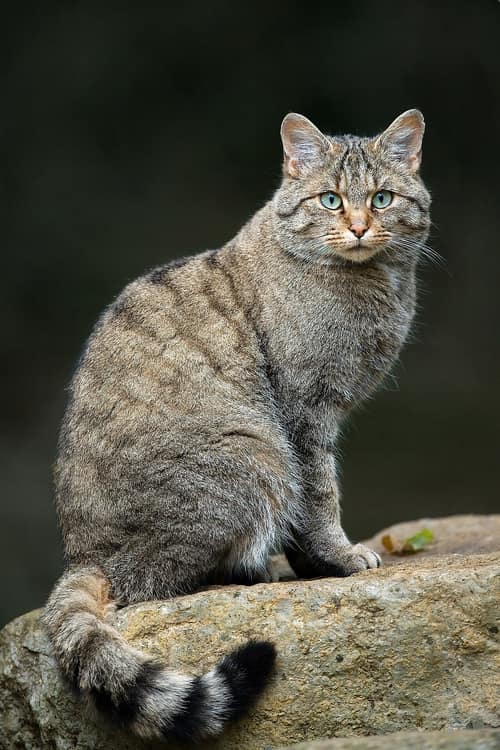
Close Relative Lviatour / CC BY-SA 3.0 · cc-by-sa
Help improve the field guideSomething wrong?
Checking your Fauna account…Report a name, category, or profile issue for review.