
Insect · GBIF taxon 1341976
Western Honey Bee
Apis melliferaAlso known as European Honey Bee, Common Honey Bee
Western honey bees live in complex eusocial colonies containing tens of thousands of specialized workers ruled by a single egg-laying queen. Foragers communicate the precise location of rich floral patches through an intricate figure-eight dance known as the waggle dance. During colder months, workers cluster tightly inside tree hollows or hives, shivering their flight muscles to maintain a constant warm temperature for the colony.
PollinatorSocial InsectVenomous
—observations
—countries
—peak records
Data DeficientConservation statusIUCN Red List categoriesLCNTVUENCREWEXData Deficient — not placed on the risk ladderRed List categories, explained →
Diet & prey
- Nectar and pollen
Predators
- Bears
- Beewolves
- Insectivorous birds
ThreatsPesticide exposure, Varroa mite infestation, habitat loss, disease
HabitatsGardens, orchards, meadows, woodlands, agricultural fields
Life spanWorkers 6 weeks to 6 months; Queens 2–5 years
Classification
- OrderHymenoptera
- FamilyApidae
- GenusApis
- SpeciesApis mellifera
Range data is not available yet.
Interaction riskVery high
- Low
- Moderate
- High
- Very high
- Why interaction risk is very high
- Females sting when defending the hive; observe quietly from a safe distance.
- Why it is dangerous
- Worker bees possess a barbed stinger that injects venom containing melittin, causing acute pain and potential anaphylaxis in allergic individuals.
- How to recognize a risky encounter
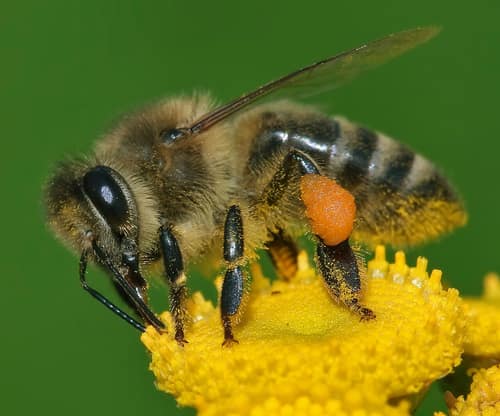
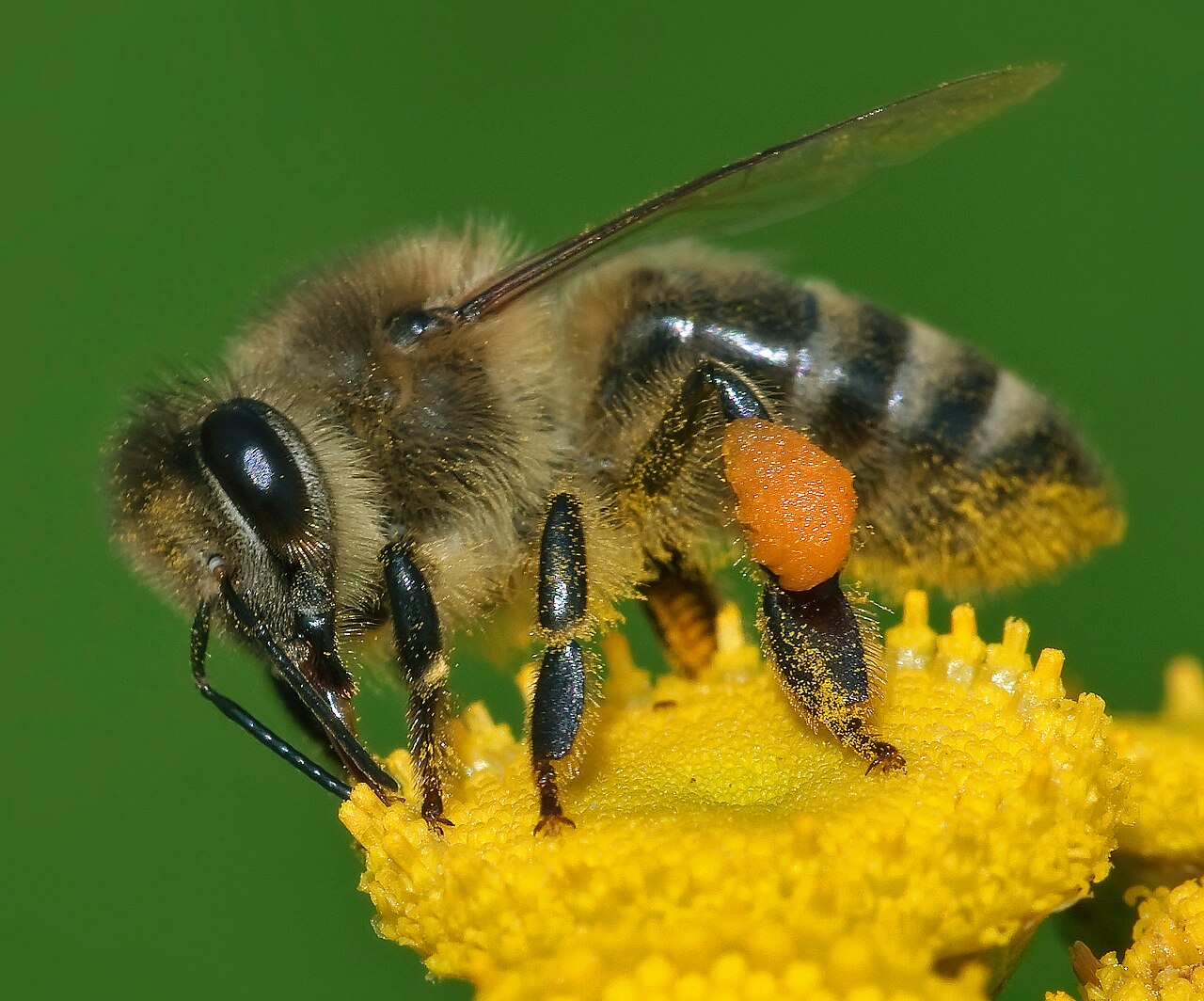
- Look for a fuzzy golden-brown insect with dark abdominal stripes and pollen baskets on the hind legs.
- What to do
- Never squeeze or swat at foraging bees, and maintain distance from active hives.
Responsible observation
- Flower Observation: Foraging bees actively gathering nectar are calm and generally ignore nearby onlookers.
- Hive Clearance: Keep at least three meters back from active hive entrances to prevent defensive stinging.
- Avoid Swatting: Move smoothly and back away if a bee circles you; sudden swats trigger alarm pheromones.
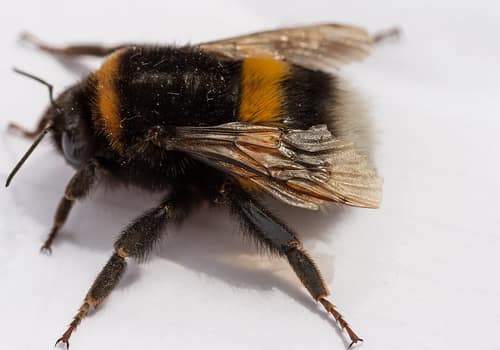
Co-Pollinator Marco Almbauer / CC0 · cc0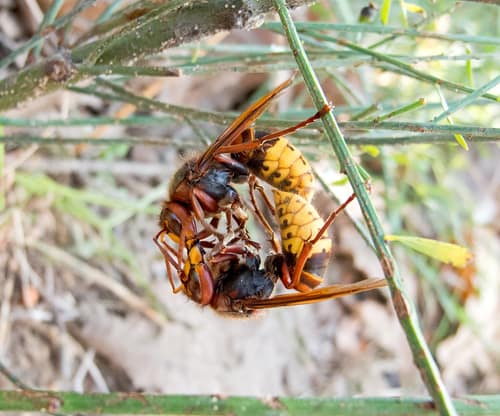
Predator (c) katunchik, some rights reserved (CC BY), uploaded by katunchik · cc-by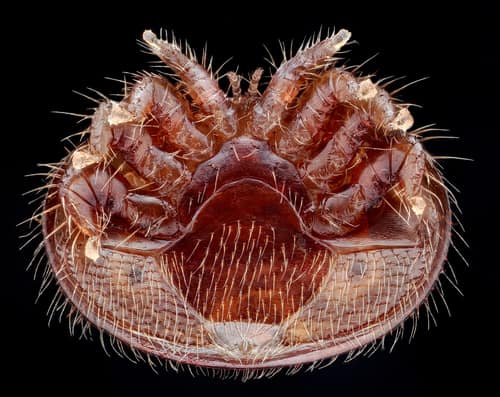
Parasite (c) Gilles San Martin, some rights reserved (CC BY-SA), uploaded by Gilles San Martin · cc-by-sa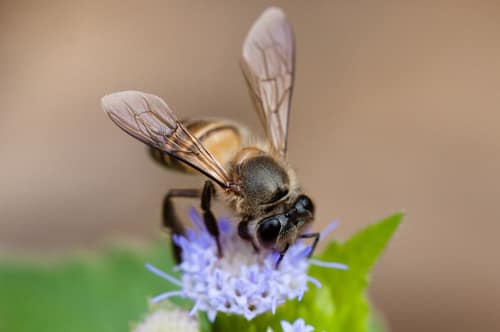
Close Relative Rushenb / CC BY-SA 3.0 · cc-by-sa
Keep collecting in Fauna
Found in Collections
Ecosystem chain Pro
Mystic Meadows
Western Honey Bee is found in this collection. Identify it in Fauna to fill this slot and continue your progress.
Unlock to track progress
Help improve the field guideSomething wrong?
Checking your Fauna account…Report a name, category, or profile issue for review.