
Reptile
Leatherback Sea Turtle
Dermochelys coriaceaAlso known as Lute Turtle, Leathery Turtle, Luth
Leatherback sea turtles navigate thousands of miles across open ocean basins, relying on specialized countercurrent heat exchangers and a thick layer of fat to forage in subpolar waters colder than any other reptile can tolerate. Backward-pointing esophageal spines line their throats, trapping slick gelatinous jellyfish while allowing seawater to drain out before swallowing. Females return every few years to sandy tropical beaches where they lay clutches under cover of darkness, leaving distinct tractor-like track patterns across the dunes.
PelagicMarineReptile
—observations
—countries
—peak records
VulnerableConservation statusIUCN Red List categoriesLCNTVUENCREWEXVulnerableRed List categories, explained →
Diet & preyJellyfish, Pyrosomes, Salps
Predators
- Orcas
- Great White Sharks
- Tiger Sharks
ThreatsFisheries bycatch, plastic debris ingestion, egg poaching, coastal development
HabitatsOpen ocean, pelagic zones, tropical nesting beaches
Life span45–50 years
Classification
- FamilyDermochelyidae
- SpeciesDermochelys coriacea
Range data is not available yet.
Interaction riskHigh
- Low
- Moderate
- High
- Very high
- Why interaction risk is high
- Safe to observe at a normal distance.
- What to notice
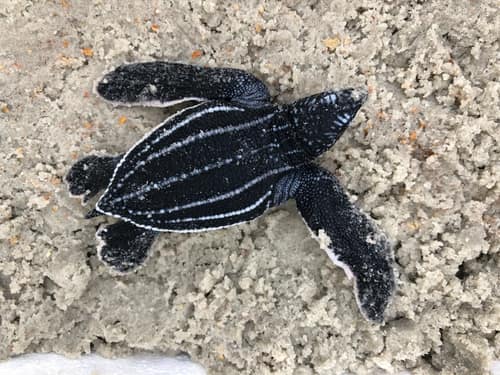
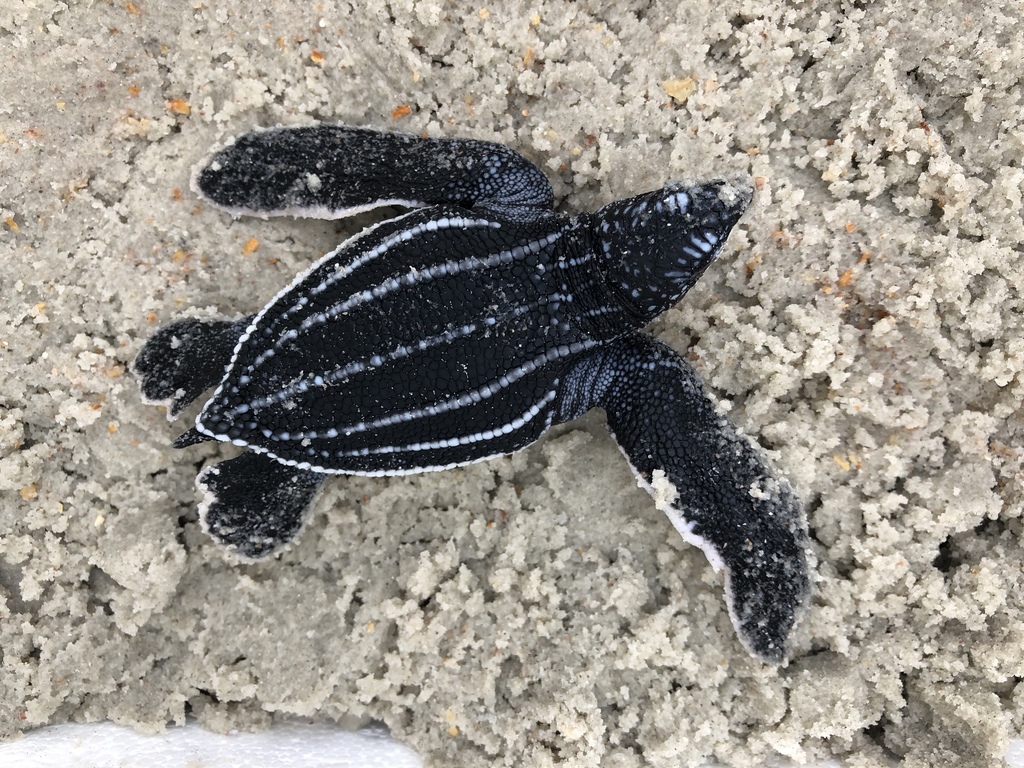
- Recognizable by its teardrop-shaped body covered in dark flexible skin with seven prominent longitudinal ridges.
- Support conservation
- Maintain a respectful distance on land and in water, turn off artificial lights at night on nesting beaches, and never handle wild hatchlings.
Responsible observation
- Give Nesting Females Space: Stay at least 30 meters away from nesting turtles on beaches to avoid causing them to abort egg-laying.
- Use Red Light Only: Darken white flashlights and phone screens on nesting beaches, as artificial light disorients emerging hatchlings.
- Report Entanglements: Contact local marine mammal and sea turtle rescue networks immediately if you spot a turtle caught in fishing gear.
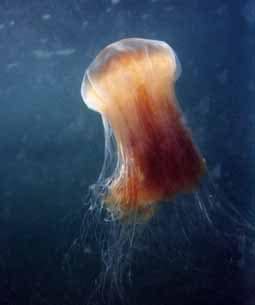
Prey Wikimedia Commons / CC BY-SA 3.0 · cc-by-sa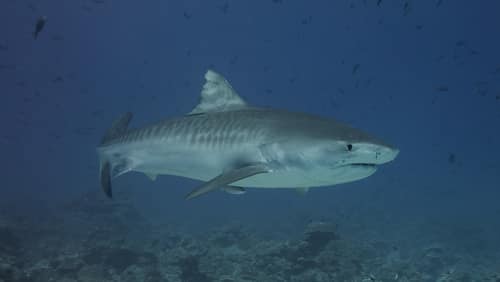
Predator (c) Kris-Mikael Krister, some rights reserved (CC BY) · cc-by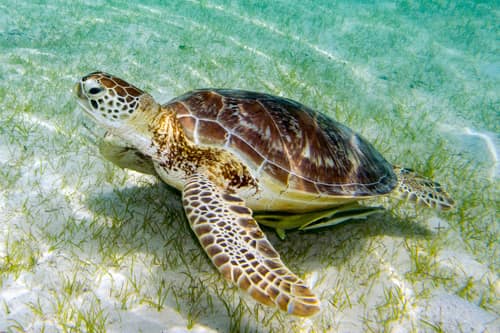
Ecological Neighbor (c) Paul Asman and Jill Lenoble, some rights reserved (CC BY), uploaded by Paul Asman and Jill Lenoble · cc-by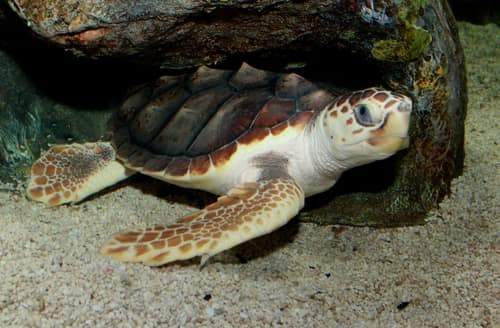
Ecological Neighbor "Loggerhead Sea Turtle (Caretta caretta)" by brian.gratwicke is licensed under CC BY 2.0. To view a copy of this license, visit https://creativecommons.org/licenses/by/2.0/. · cc-by
Help improve the field guideSomething wrong?
Checking your Fauna account…Report a name, category, or profile issue for review.