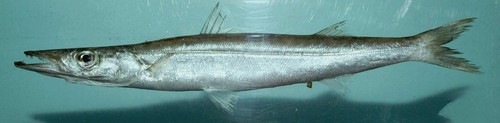
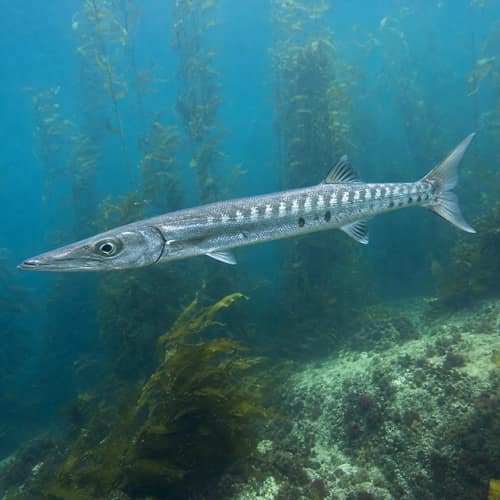
Also known as Giant Barracuda, Picuda, Commerson's Barracuda
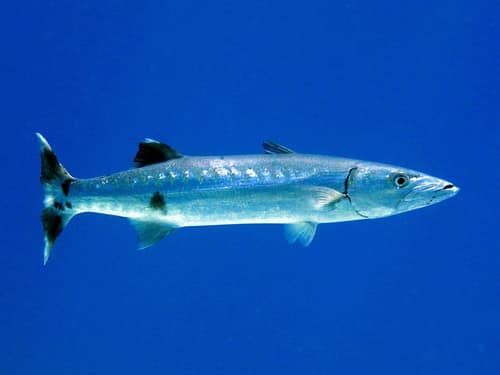
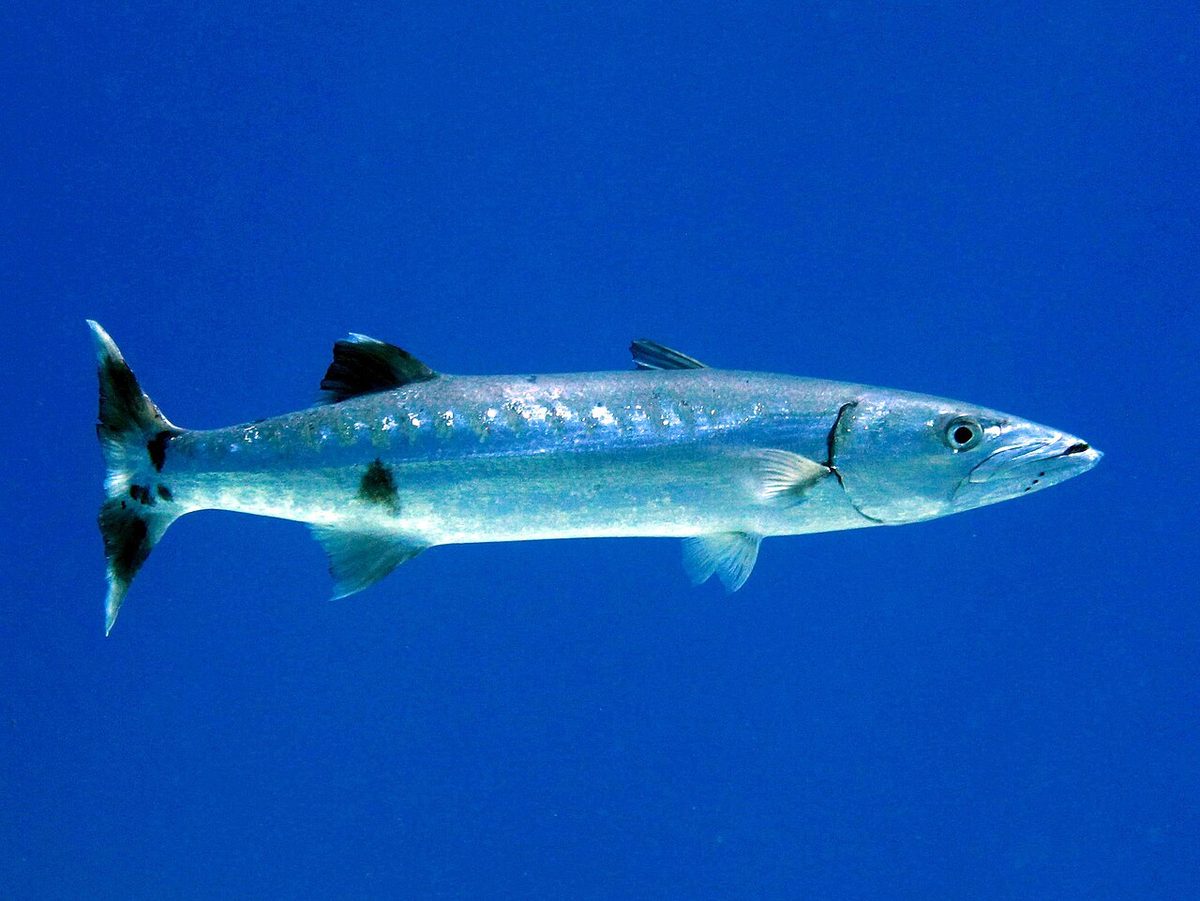
Great barracudas are formidable torpedo-shaped predators that prowl tropical coral reefs, mangroves, and open coastal waters worldwide. They hunt by ambush, utilizing explosive bursts of speed reaching up to 43 km/h to snap up prey with dagger-like teeth set in powerful undershot jaws. While often curious around divers, large adults are apex hunters that bioaccumulate marine toxins from their reef-fish diet.
ThreatsOverfishing, reef habitat degradation, and incidental capture in commercial gillnets
HabitatsCoral reefs, seagrass beds, coastal mangroves, and open nearshore waters
Life span10–14 years
Classification
OrderPerciformes
FamilySphyraenidae
GenusSphyraena
SpeciesSphyraena barracuda
Range & activity
Range data is not available yet.
Safe observation
Interaction riskHigh
Low
Moderate
High
Very high
Why interaction risk is high
Bites can cause severe lacerations, and eating large specimens risks ciguatera poisoning; maintain distance underwater.
Why it is dangerous
Capable of inflicting deep, tearing lacerations with sharp teeth; additionally, meat from large specimens often concentrates ciguatoxins that trigger severe neurological and gastrointestinal illness.
How to recognize a risky encounter
Recognize by the elongated silver body, large dark blotches along the flanks, jutting lower jaw, and two widely separated dorsal fins.
What to do
Keep calm and swim steadily away if approached underwater; do not splash erratically or carry speared fish near them.
Responsible observation
Avoid Shiny Objects: Remove reflective jewelry, watches, or dive knives that mimic the flash of prey scales.
Do Not Corner: Allow individuals plenty of swimming space and never attempt to hand-feed them.
Do Not Ingest: Avoid consuming large predatory individuals due to high risk of ciguatera fish poisoning.