
Bird
Mallard
Anas platyrhynchosAlso known as Wild Duck, Greenhead
Male mallards are instantly recognizable by their iridescent emerald-green heads, bright yellow bills, and crisp white neck rings, while females sport mottled brown plumage designed for camouflage while nesting. These dabbling ducks tip upside down in shallow wetlands to forage for aquatic plants, invertebrates, and seeds. Highly adaptable and vocal, they form the ancestral stock for nearly all domestic duck breeds worldwide.
WaterfowlAdaptableMigratory
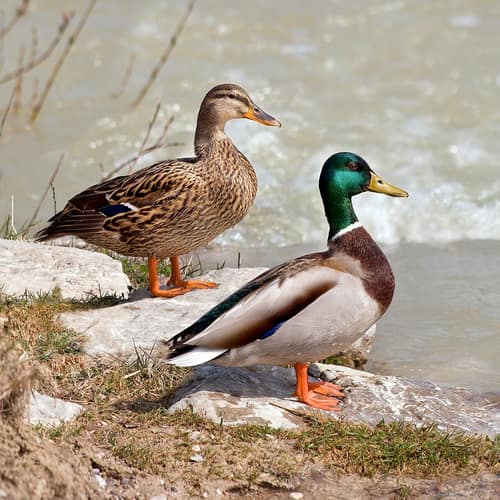
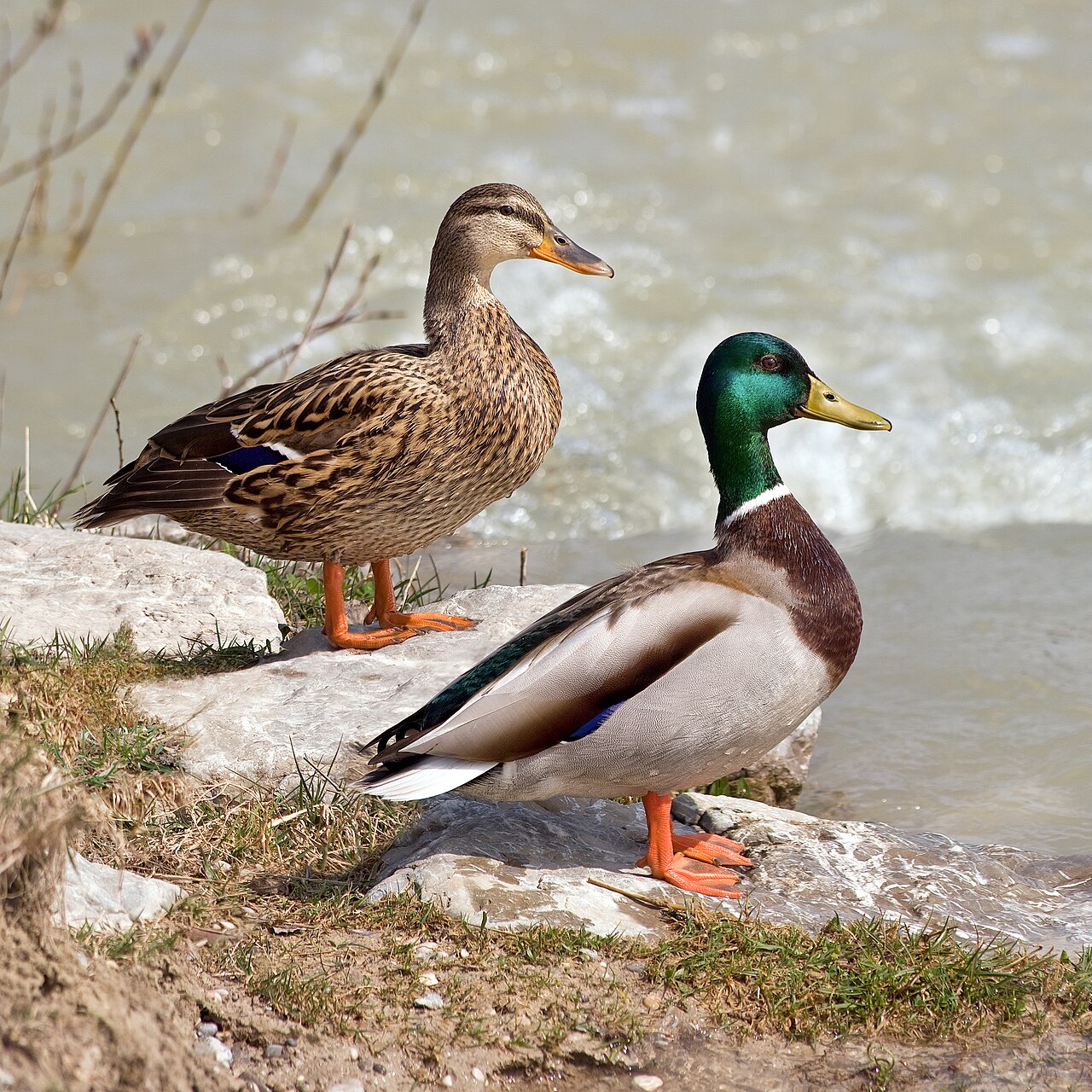
—observations
—countries
—peak records
Least ConcernConservation statusIUCN Red List categoriesLCNTVUENCREWEXLeast ConcernRed List categories, explained →
Diet & preyAquatic Insects, Duckweed, Small Crustaceans
Predators
- Red Fox
- Peregrine Falcon
- Northern Pike
ThreatsHabitat degradation, lead poisoning from ammunition, hybridization
HabitatsWetlands, lakes, rivers, marshes, urban parks
Life span5–10 years
Classification
- OrderAnseriformes
- FamilyAnatidae
- GenusAnas
- SpeciesAnas platyrhynchos
Range data is not available yet.
Interaction riskLow
- Low
- Moderate
- High
- Very high
- Why interaction risk is low
- Safe to observe at a normal distance.
Responsible observation
- Feeding Etiquette: Offer oats, cracked corn, or leafy greens instead of bread, which lacks nutrients and pollutes water.
- Nesting Space: Give nesting hens a wide berth in spring, as camouflage is their primary defense against disturbance.
- Observation: Look for courtship displays in late autumn and winter, including synchronized head-pumping.
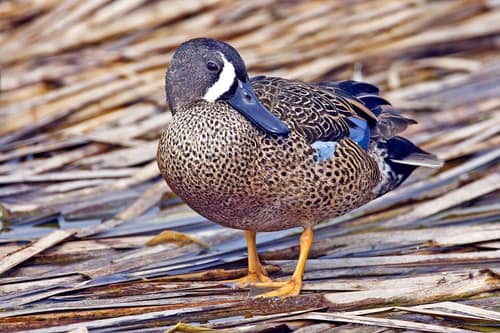
Frequent Companion Alan D. Wilson, www.naturespicsonline.com / CC BY-SA 2.5 · cc-by-sa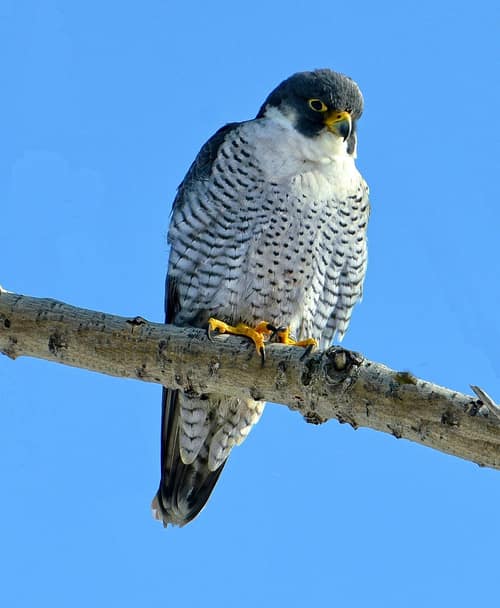
Predator Mykola Swarnyk / CC BY-SA 3.0 · cc-by-sa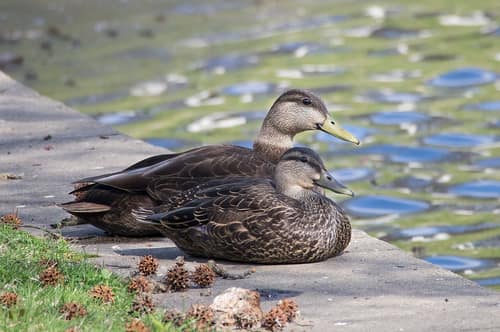
Close Relative Rhododendrites / CC BY-SA 4.0 · cc-by-sa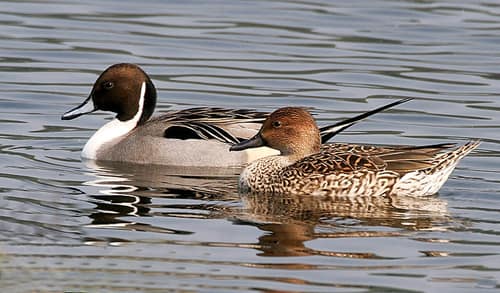
Close Relative J.M.Garg / CC BY-SA 3.0 · cc-by-sa
Keep collecting in Fauna
Found in Collections
Species set Pro
Farm Friends
Mallard is found in this collection. Identify it in Fauna to fill this slot and continue your progress.
Unlock to track progress
Help improve the field guideSomething wrong?
Checking your Fauna account…Report a name, category, or profile issue for review.