
Bird
Great Blue Heron
Ardea herodiasAlso known as Great White Heron, Blue Crane
Great blue herons stalk shallow waters with deliberate, slow-motion steps before striking forward with lightning speed to impale fish and aquatic prey. They nest in colonial rookeries built high in treetop canopies, where adults construct large stick platforms and communicate through harsh, guttural croaks. Adaptive and widespread, they winter along open coastlines and rivers across North and Central America.
Wading BirdWetlandsDiurnal
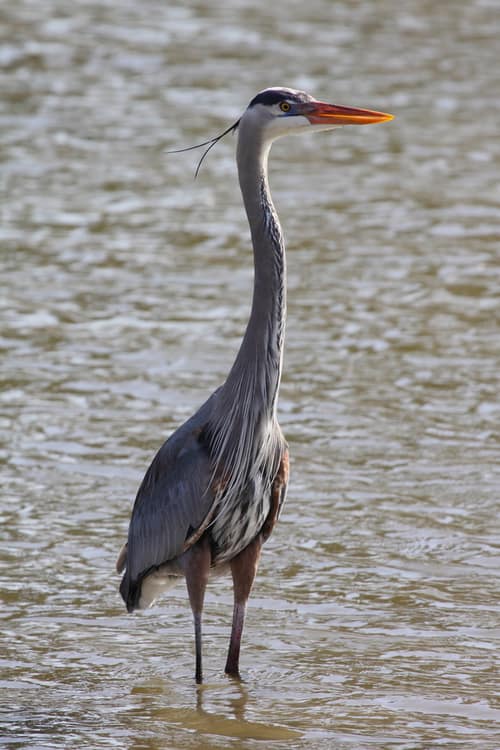
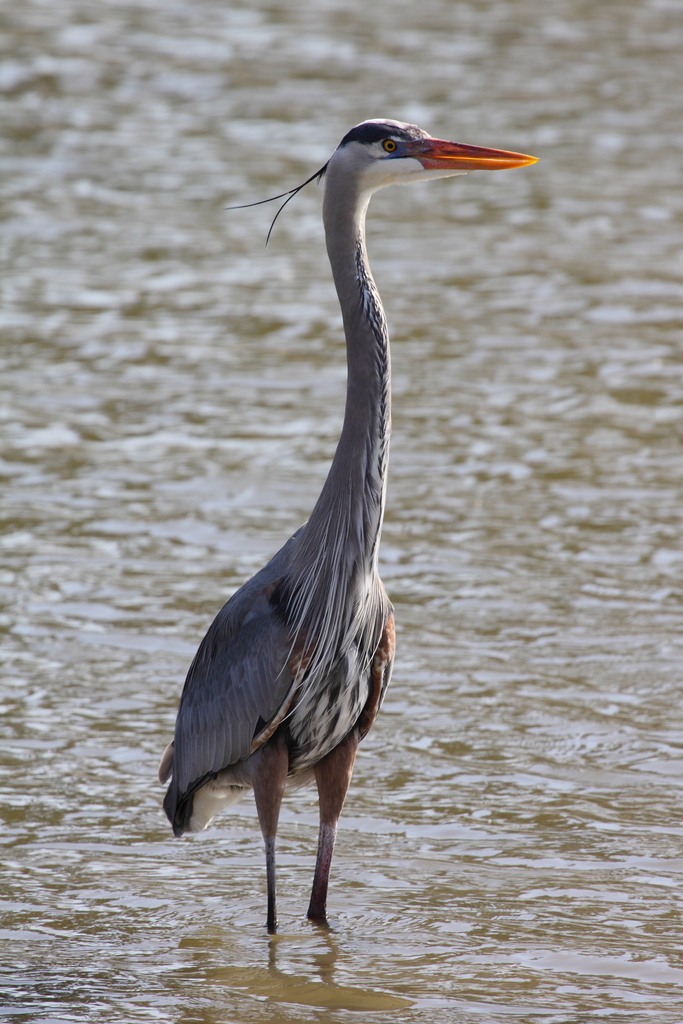
—observations
—countries
—peak records
Least ConcernConservation statusIUCN Red List categoriesLCNTVUENCREWEXLeast ConcernRed List categories, explained →
Diet & preyFish, Frogs, Small Rodents
Predators
- Eagles
- Great Horned Owls
- Alligators
ThreatsHabitat loss, water pollution, human disturbance at nesting sites
HabitatsWetlands, marshes, lakeshores, coastal bays, estuaries
Life span15–23 years
Classification
- OrderPelecaniformes
- FamilyArdeidae
- GenusArdea
- SpeciesArdea herodias
Range data is not available yet.
Interaction riskLow
- Low
- Moderate
- High
- Very high
- Why interaction risk is low
- Sharp, dagger-like bill can strike defensively if cornered or handled; observe from a respectful distance.
Responsible observation
- Binocular Viewing: Use binoculars or a spotting scope to observe natural hunting behavior without flushing the bird.
- Rookery Etiquette: Maintain extra distance around nesting colonies during spring to avoid alarming breeding pairs.
- Patience at the Waterline: Stand still near marshes to watch their striking technique when fish swim past.
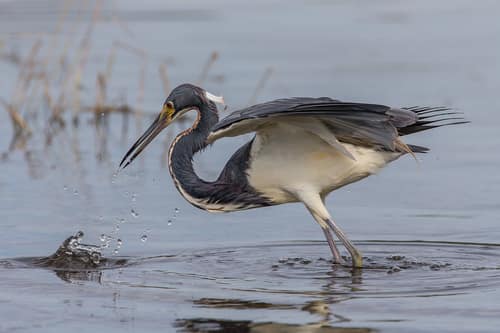
Co-occurring Wader "Tricolored Heron" by Andy Morffew is licensed under CC BY 2.0. To view a copy of this license, visit https://creativecommons.org/licenses/by/2.0/. · cc-by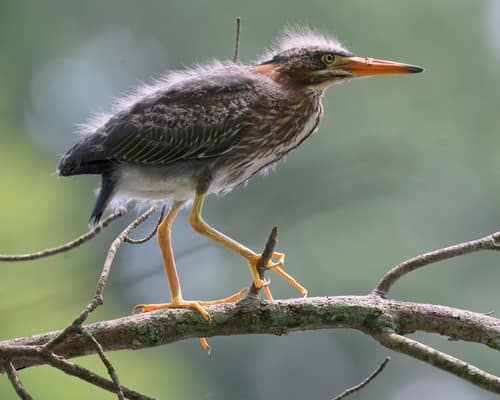
Co-occurring Wader (c) lwolfartist, some rights reserved (CC BY) · cc-by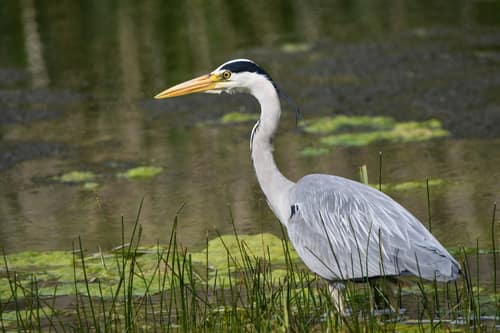
Close Relative (c) Frank Sengpiel, some rights reserved (CC BY), uploaded by Frank Sengpiel · cc-by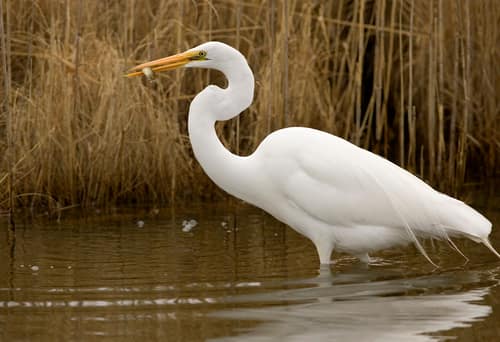
Close Relative "Photo of the Week - Great Egret at Chincoteague National Wildlife Refuge" by U. S. Fish and Wildlife Service - Northeast Region is marked with Public Domain Mark 1.0. To view the terms, visit https://creativecommons.org/publicdomain/mark/1.0/. · cc0
Keep collecting in Fauna
Found in Collections
Ecosystem chain
Wetland Territory
Great Blue Heron is found in this collection. Identify it in Fauna to fill this slot and continue your progress.
—/12
Help improve the field guideSomething wrong?
Checking your Fauna account…Report a name, category, or profile issue for review.