
Invertebrate
Fiddler Crab
Leptuca pugilatorAlso known as Sand Fiddler Crab, Atlantic Sand Fiddler Crab, Calico Fiddler
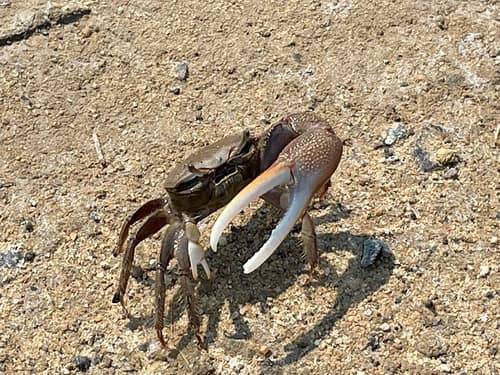
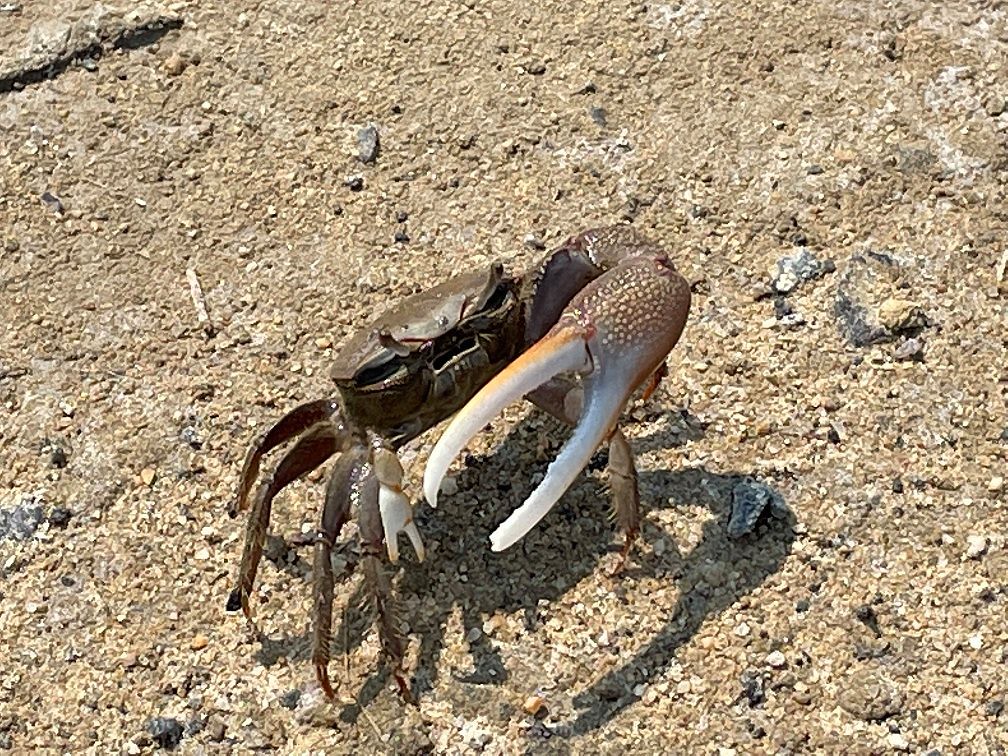
Sand fiddler crabs emerge in massive, synchronized waves from their intertidal burrows as the tide recedes to feed and display. Males wave their oversized, brightly colored major claws in rhythmic patterns to attract females and ward off rivals. These industrious crabs play a vital role in coastal salt marshes by aerating the sediment through their constant burrowing.
IntertidalCrustaceanBurrowing
—observations
—countries
—peak records
Not EvaluatedConservation statusIUCN Red List categoriesLCNTVUENCREWEXNot Evaluated — not placed on the risk ladderRed List categories, explained →
Diet & preyMicroalgae, Bacteria, Detritus
Predators
- Herons
- Egrets
- Raccoons
ThreatsHabitat loss, coastal development, pollution, and rising sea levels
HabitatsCoastal sand flats, salt marshes, and estuarine mud-flats
Life span1 to 2 years
Classification
- FamilyOcypodidae
- SpeciesLeptuca pugilator
Range data is not available yet.
Interaction riskLow
- Low
- Moderate
- High
- Very high
- Why interaction risk is low
- Safe to observe at a normal distance.
Responsible observation
- Watch from a distance: Approach mudflats slowly, as these crabs are highly sensitive to shadows and vibrations.
- Look for feeding pellets: Search for tiny balls of sand discarded around burrow entrances after they filter out food.
- Observe the wave: Watch males during low tide as they wave their large claws in unison to attract mates.
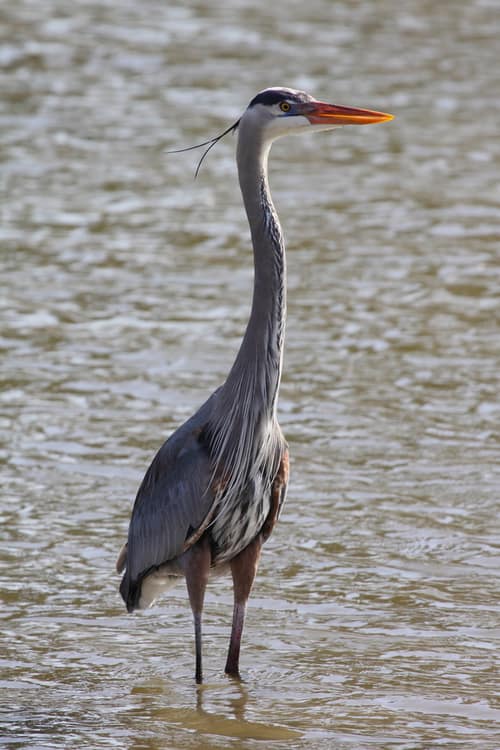
Predator (c) Basar, some rights reserved (CC BY-SA) · cc-by-sa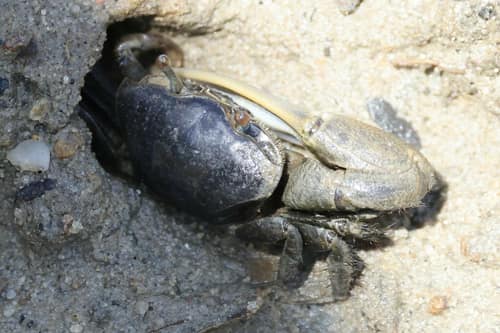
Close Relative (c) Kathy Richardson, some rights reserved (CC BY) · cc-by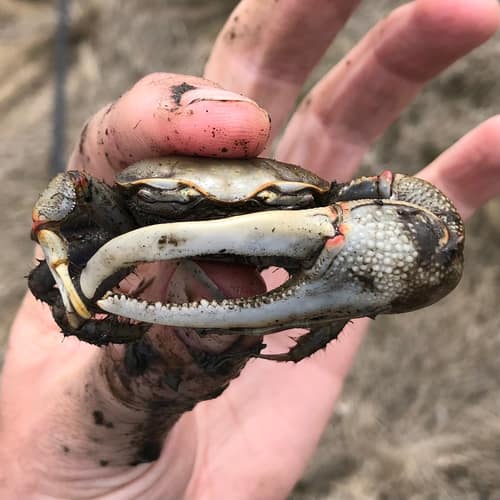
Close Relative (c) Alan Kneidel, some rights reserved (CC BY), uploaded by Alan Kneidel · cc-by
Help improve the field guideSomething wrong?
Checking your Fauna account…Report a name, category, or profile issue for review.