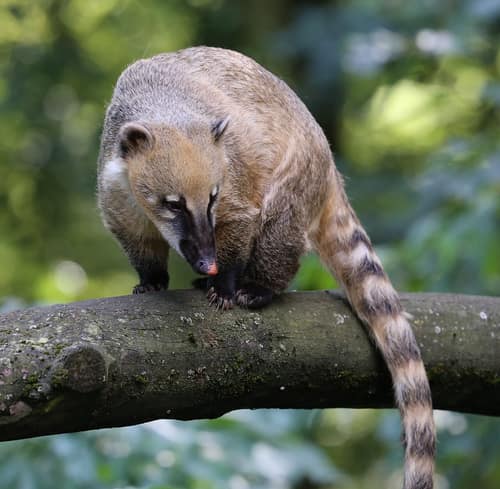
Also known as Southern Raccoon, South American Raccoon
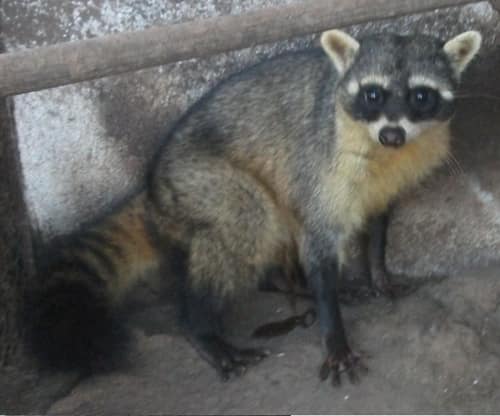
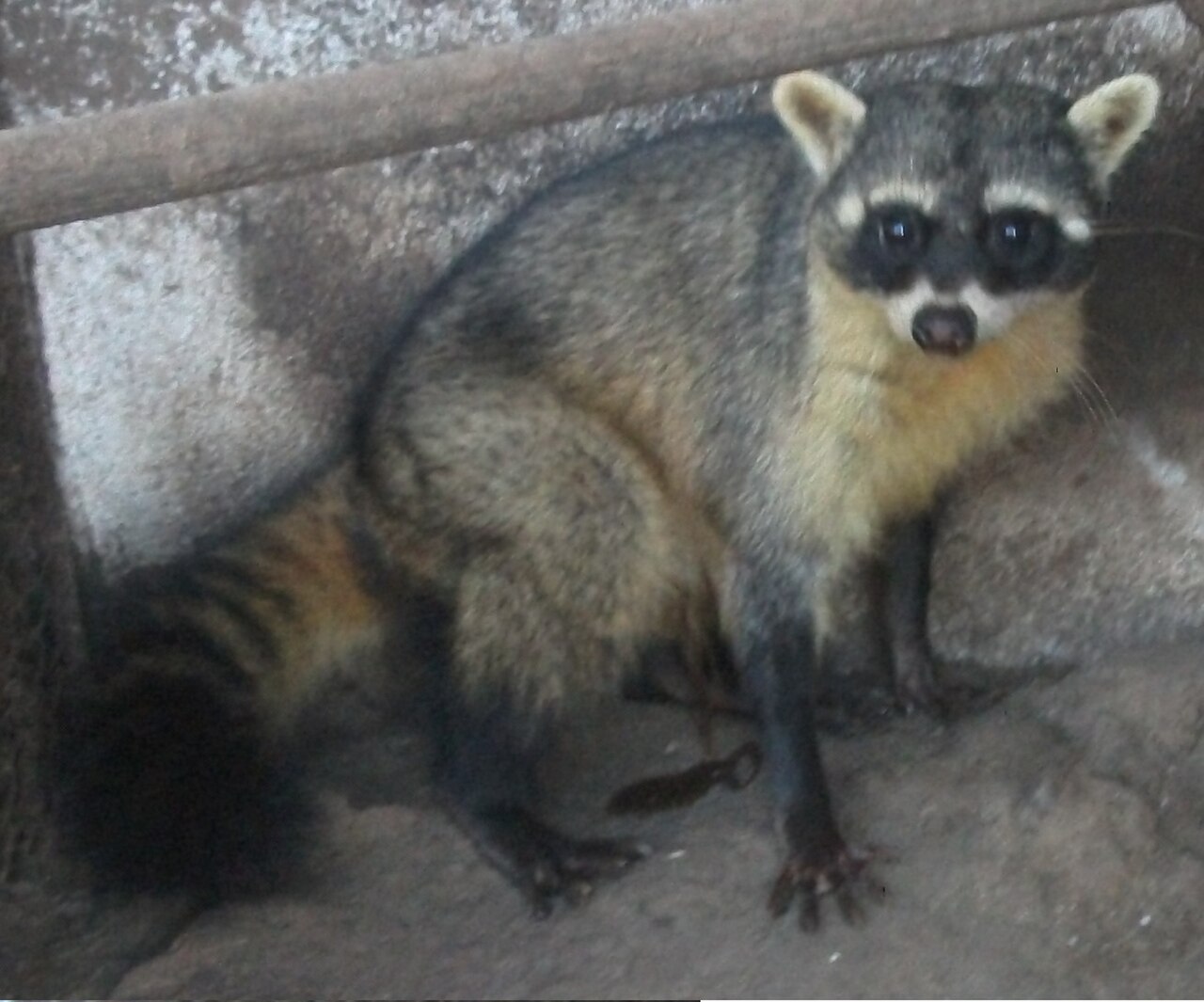
Crab-eating raccoons roam riverbanks, mangrove swamps, and lowland rainforests under the cover of night, using exceptionally sensitive forepaws to probe murky water for prey. Sleeker and shorter-furred than their northern relatives, they adapt their gait to muddy terrain and possess heavy, broad molars specialized for crushing hard-shelled invertebrates. While mostly solitary, individuals communicate through chittering calls, scent markings along waterways, and occasional shared foraging when tidal pools trap abundant aquatic life.
Life span10–14 years in the wild; up to 18 years in captivity
Classification
OrderCarnivora
FamilyProcyonidae
GenusProcyon
SpeciesProcyon cancrivorus
Range & activity
Native
Safe observation
Interaction riskModerate
Low
Moderate
High
Very high
Why interaction risk is moderate
Can carry rabies and defend itself with sharp teeth or claws; view quietly from a distance.
Why it is dangerous
Capable of transmitting the rabies virus, leptospirosis, and roundworms (Baylisascaris), and can inflict deep puncture wounds with sharp canine teeth when cornered.
How to recognize a risky encounter
Look for a slender masked face, coarse grizzled fur with backward-slanting neck hairs, and dark, slender unwebbed front paws.
What to do
Never corner, feed, or attempt to handle a raccoon; maintain at least ten meters of space and keep domestic pets leashed.
Responsible observation
Night Observation: Use red-filtered flashlights near wetland edges to observe natural foraging without blinding them.
Maintain Distance: Back away slowly if an individual growls or arches its back, as cornered raccoons scratch and bite.
Securing Campsites: Store food in sealed bear-proof containers or high caches, since their dexterous paws can open latches.