
Mammal
New South Wales Koala
Phascolarctos cinereus cinereusAlso known as Eastern Koala, Native Bear, Monkey Bear
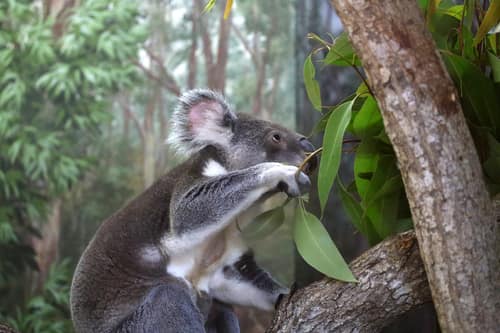
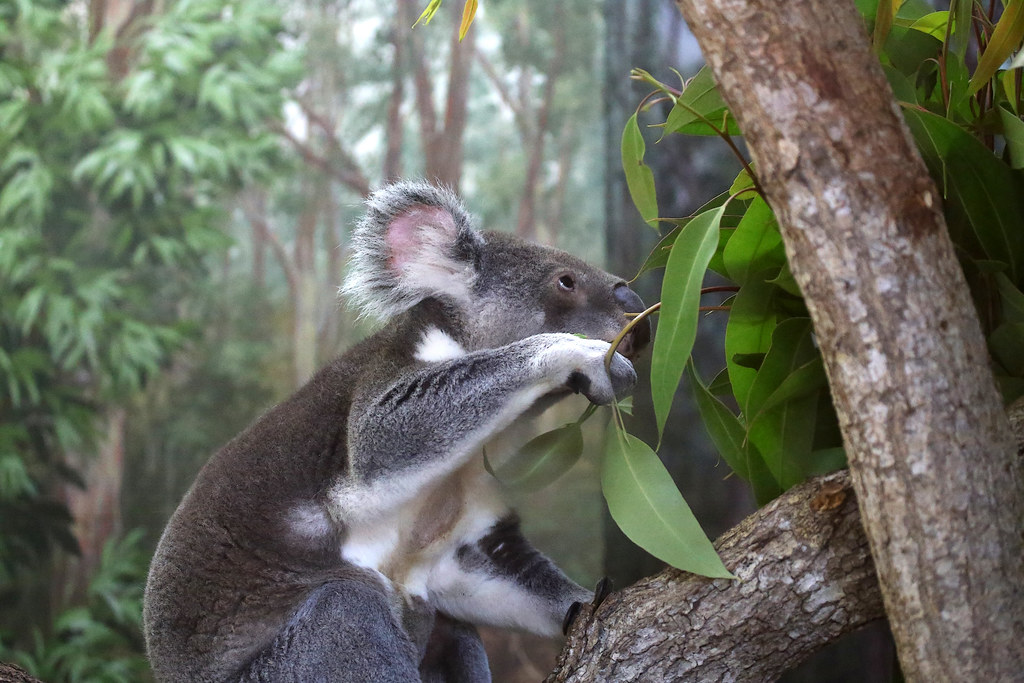
Koalas spend up to twenty hours a day resting or sleeping in the forks of eucalyptus trees to conserve energy while digesting their fibrous, low-nutrient diet. During the breeding season, males produce deep, resonant bellows that can be heard over long distances to assert dominance and attract mates. Mothers carry their single young, known as a joey, in a backward-facing pouch for six months before the offspring rides on the mother's back.
ArborealMarsupialNocturnal
—observations
—countries
—peak records
VulnerableConservation statusIUCN Red List categoriesLCNTVUENCREWEXVulnerableRed List categories, explained →
Diet & preyEucalyptus Leaves, Manna Gum Leaves, Forest Red Gum Leaves
Predators
- Dingoes
- Domestic Dogs
- Wedge-tailed Eagles
ThreatsHabitat fragmentation, bushfires, chlamydia infections, and vehicle strikes
HabitatsEucalyptus woodlands and forests
Life span10 to 15 years in the wild
Classification
- FamilyPhascolarctidae
- SpeciesPhascolarctos cinereus cinereus
Range data is not available yet.
Interaction riskLow
- Low
- Moderate
- High
- Very high
- Why interaction risk is low
- Equipped with sharp claws and strong jaws; do not handle or corner wild individuals.
- Why it is dangerous
- Possesses extremely sharp, curved claws designed for climbing trees and strong jaws capable of delivering a severe bite if threatened.
- How to recognize a risky encounter
- Look for a stout, tailless body, large fluffy ears, and a prominent black, leathery nose.
- What to do
- Never attempt to touch, hold, or rescue a koala yourself; contact local wildlife authorities if one appears injured.
- What to notice
- Often spotted high in eucalyptus forks, appearing as a grey, rounded shape against the branches.
- Support conservation
- Keep noise levels low and maintain a respectful distance of at least ten meters to avoid disrupting their rest.
Responsible observation
- Keep your distance: Use binoculars or a zoom lens to observe koalas high in the canopy without causing them stress.
- Drive carefully: Watch for wildlife crossing signs, especially at dawn and dusk when koalas may move between trees on the ground.
- Control pets: Keep domestic dogs on a leash in koala habitat to prevent fatal attacks.
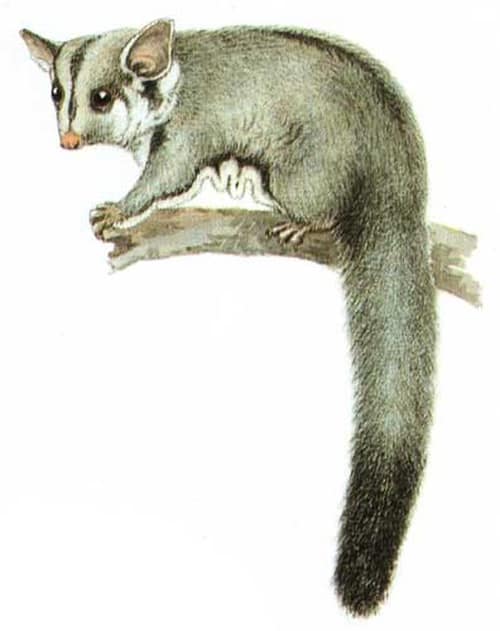
Frequent Companion Wikimedia Commons / Public domain · cc0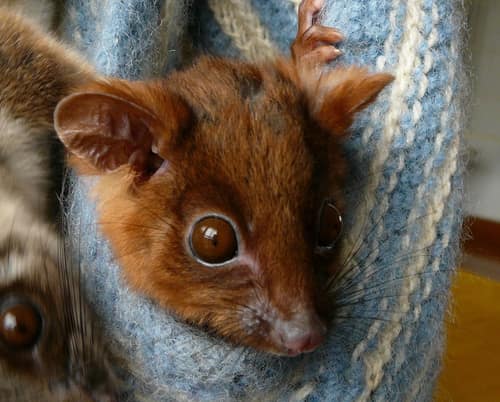
Food Competitor (c) Lee, some rights reserved (CC BY) · cc-by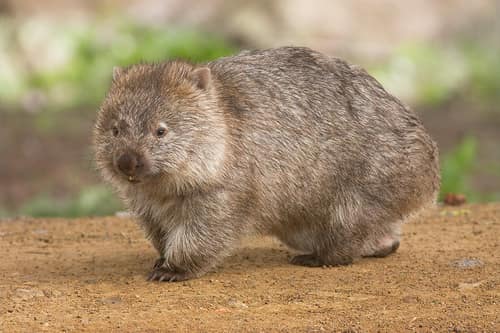
Closest Living Relative "Common Wombat" by JJ Harrison is licensed under CC BY-SA 2.0. To view a copy of this license, visit https://creativecommons.org/licenses/by-sa/2.0/. · cc-by-sa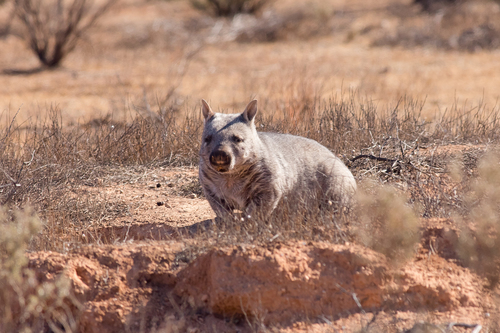
Close Relative (c) Kym Nicolson, some rights reserved (CC BY) · cc-by
Help improve the field guideSomething wrong?
Checking your Fauna account…Report a name, category, or profile issue for review.