
Reptile
Hawksbill
Eretmochelys imbricataAlso known as Hawksbill Sea Turtle, Carey Turtle, Tortuga Carey
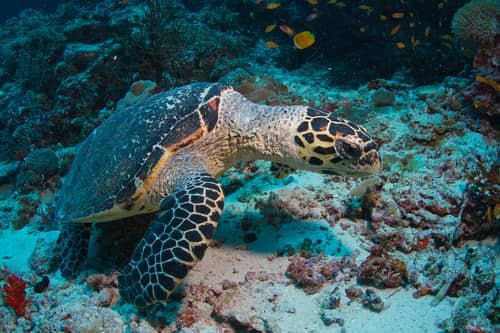
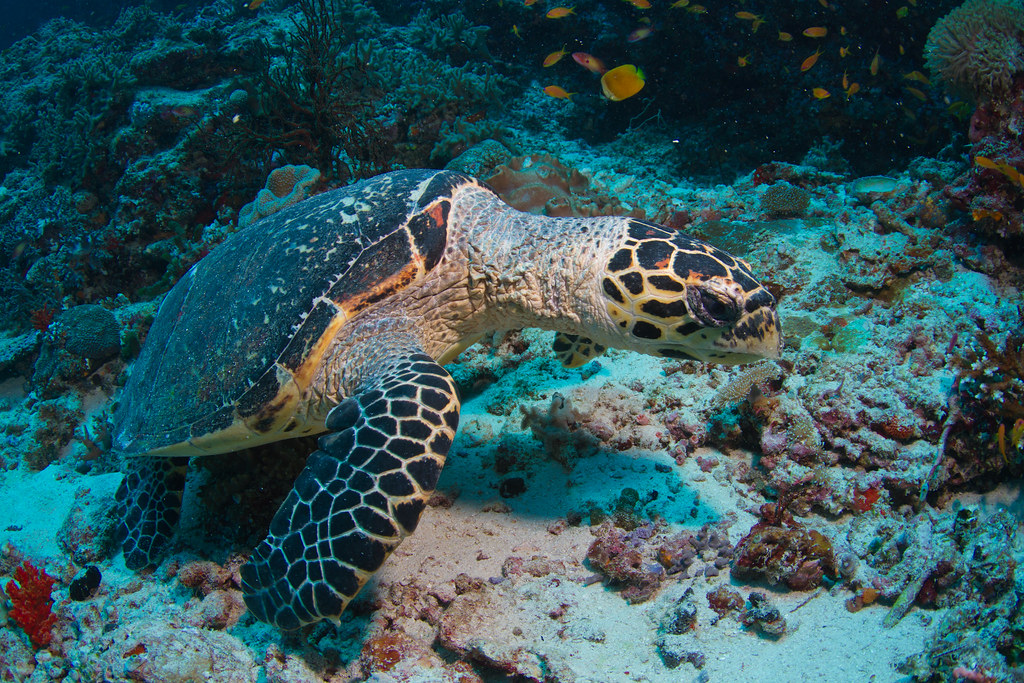
Hawksbill sea turtles are easily recognized by their narrow, pointed beaks and the beautifully overlapping, amber-and-brown scales of their shells. They play a vital role in coral reef ecosystems by feeding primarily on sponges, which prevents these fast-growing organisms from suffocating reef-building corals. These ancient reptiles migrate vast distances between nesting beaches and foraging grounds, navigating across entire ocean basins.
MarineReptile
—observations
—countries
—peak records
Critically EndangeredConservation statusIUCN Red List categoriesLCNTVUENCREWEXCritically EndangeredRed List categories, explained →
Diet & preySea sponges, Jellyfish, Sea anemones
Predators
- Tiger sharks
- Large predatory fish
- Humans
ThreatsPoaching for tortoiseshell, egg harvesting, habitat destruction, and bycatch in fishing gear
HabitatsCoral reefs, rocky areas, lagoons, and shallow coastal waters
Life span30 to 50 years
Classification
- FamilyCheloniidae
- GenusEretmochelys
- SpeciesEretmochelys imbricata
Range data is not available yet.
Interaction riskLow
- Low
- Moderate
- High
- Very high
- Why interaction risk is low
- Capable of delivering a painful bite with their sharp beak if cornered; observe from a safe distance.
- What to notice
- Look for a distinctive hawk-like beak, two pairs of prefrontal scales between the eyes, and a serrated shell margin.
- Support conservation
- Never disturb nesting females or hatchlings on beaches, and avoid using white flashlights at night.
Responsible observation
- Keep your distance: Maintain a distance of at least 15 feet (5 meters) when swimming near them.
- Avoid flash photography: Bright lights can disorient nesting females and hatchlings on beaches.
- Do not touch: Touching can damage their protective skin coating and cause undue stress.
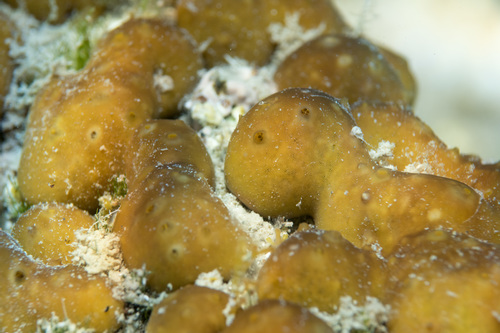
Prey (c) Emanuele Santarelli, some rights reserved (CC BY-SA), uploaded by Emanuele Santarelli · cc-by-sa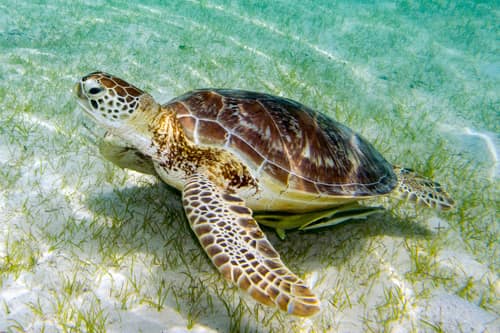
Close Relative (c) Paul Asman and Jill Lenoble, some rights reserved (CC BY), uploaded by Paul Asman and Jill Lenoble · cc-by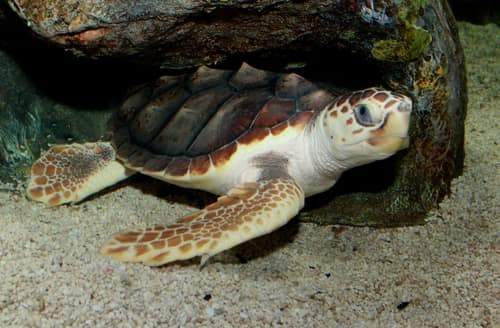
Close Relative "Loggerhead Sea Turtle (Caretta caretta)" by brian.gratwicke is licensed under CC BY 2.0. To view a copy of this license, visit https://creativecommons.org/licenses/by/2.0/. · cc-by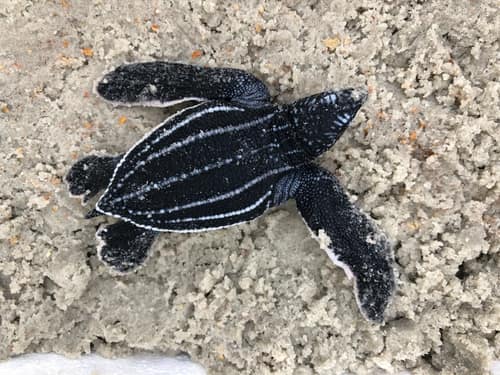
Distant Relative (c) Pam Kleinsasser, some rights reserved (CC BY), uploaded by Pam Kleinsasser · cc-by
Keep collecting in Fauna
Found in Collections
Species set Pro
Ocean Creatures
Hawksbill is found in this collection. Identify it in Fauna to fill this slot and continue your progress.
Unlock to track progress
Help improve the field guideSomething wrong?
Checking your Fauna account…Report a name, category, or profile issue for review.