
Insect
Bush Cicada
Neotibicen dorsatusAlso known as Giant Grassland Cicada
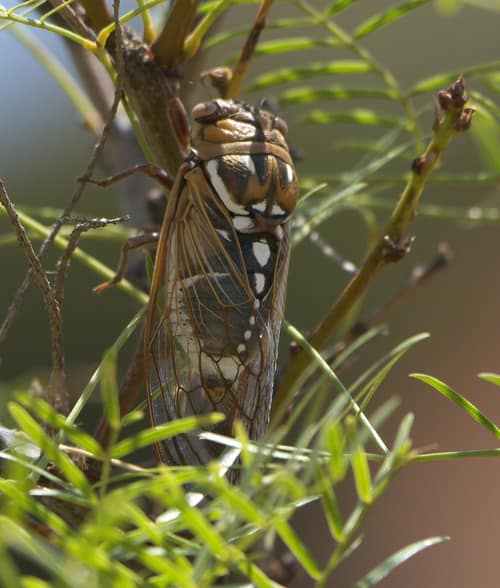
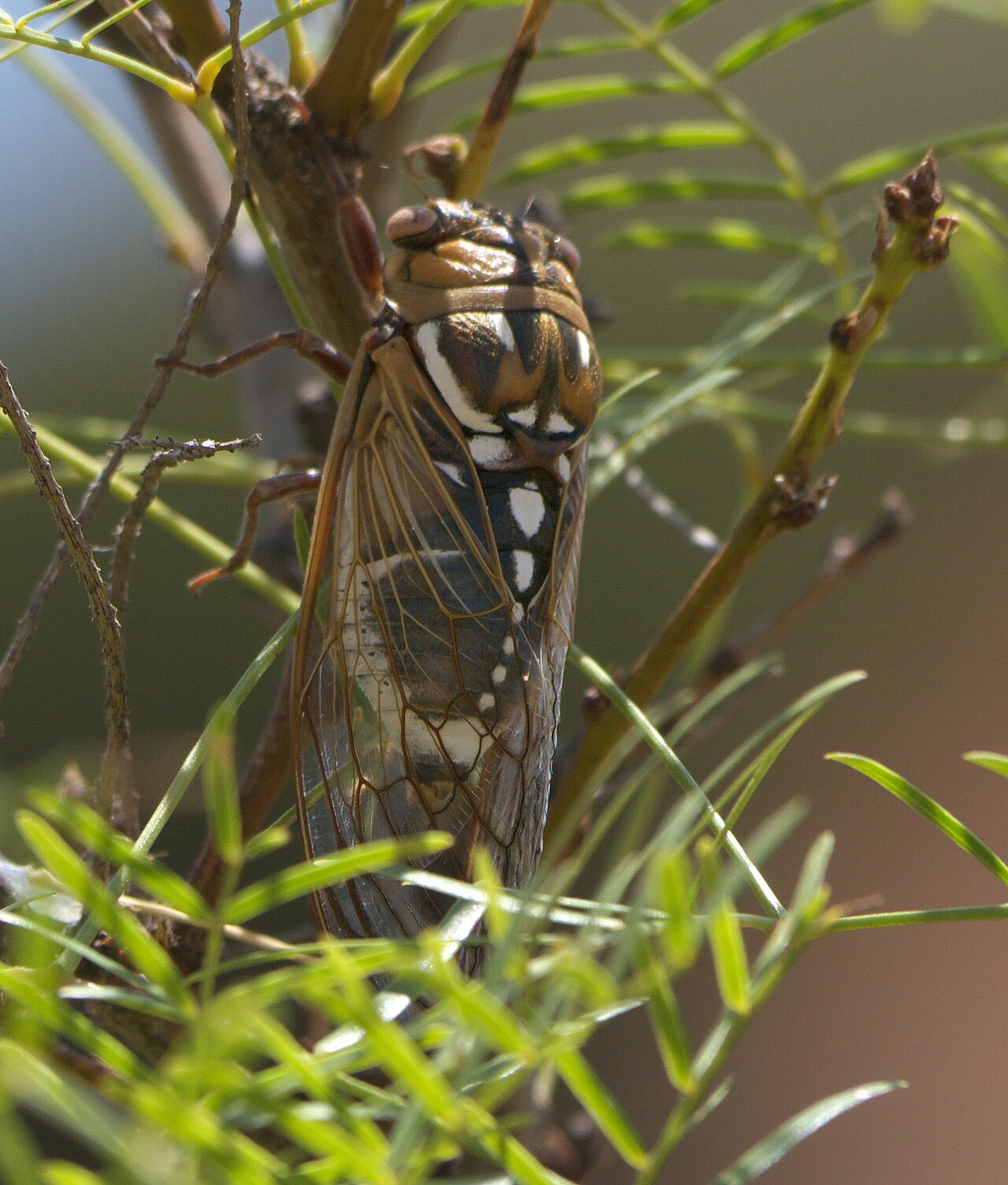
Bush cicadas are impressive, robust insects celebrated for their loud, dry, rattling songs that define late summer afternoons in North American prairies. These giants spend several years underground as nymphs, feeding on root sap before emerging to transform into winged adults. Their striking black, brown, and green patterns provide excellent camouflage against the bark of shrubs and tall grassland stems.
LoudGrasslandCamouflaged
—observations
—countries
—peak records
Least ConcernConservation statusIUCN Red List categoriesLCNTVUENCREWEXLeast ConcernRed List categories, explained →
Diet & preyTree sap, Plant fluids
Predators
- Birds
- Cicada killer wasps
- Spiders
ThreatsHabitat destruction, pesticide application, and urban sprawl
HabitatsPrairies, grasslands, shrublands, and open woodlands
Life span3 to 5 years
Classification
- FamilyCicadidae
- SpeciesNeotibicen dorsatus
Range data is not available yet.
Interaction riskLow
- Low
- Moderate
- High
- Very high
- Why interaction risk is low
- Safe to observe at a normal distance.
Responsible observation
- Listen for the song: Locate males by following their dry, rattling buzz, which peaks during the hottest hours of the day.
- Look on low shrubs: Search the stems of woody plants and tall grasses rather than high tree canopy branches.
- Handle gently: Let them walk freely on your hand, but avoid squeezing them to prevent a startled pinch.
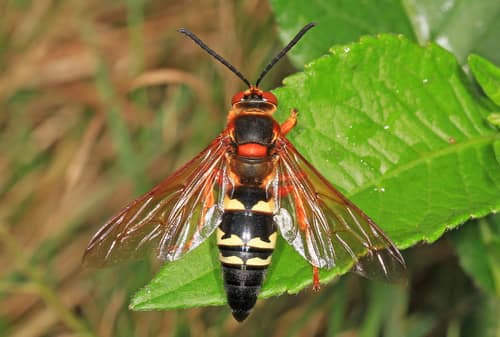
Predator (c) Judy Gallagher, some rights reserved (CC BY-SA), uploaded by Judy Gallagher · cc-by-sa Image unavailable
Close Relative 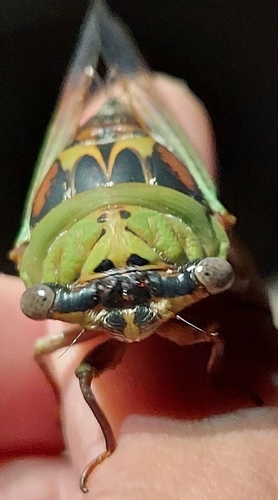
Close Relative (c) florawhite, some rights reserved (CC BY) · cc-by
Help improve the field guideSomething wrong?
Checking your Fauna account…Report a name, category, or profile issue for review.