
Mammal
Eastern Wolf
Canis lycaonAlso known as Timber Wolf, Algonquin Wolf, Eastern Timber Wolf
Eastern wolves are highly social pack-dwelling carnivores that communicate through a complex system of soulful, harmonizing howls, scent marking, and expressive body language. They maintain tight-knit family units led by a breeding pair, working together to defend territories and hunt large ungulates. Their presence in the mixed-wood forests of southeastern Canada plays a vital role in regulating prey populations and maintaining ecological balance.
Pack HunterVocalApex Predator
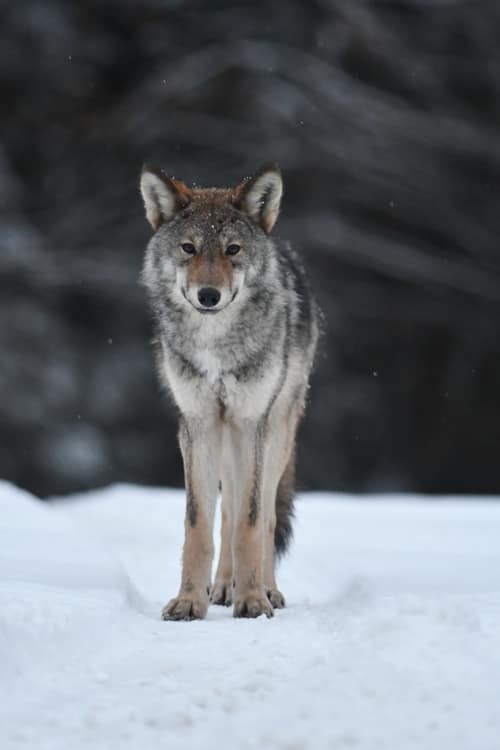
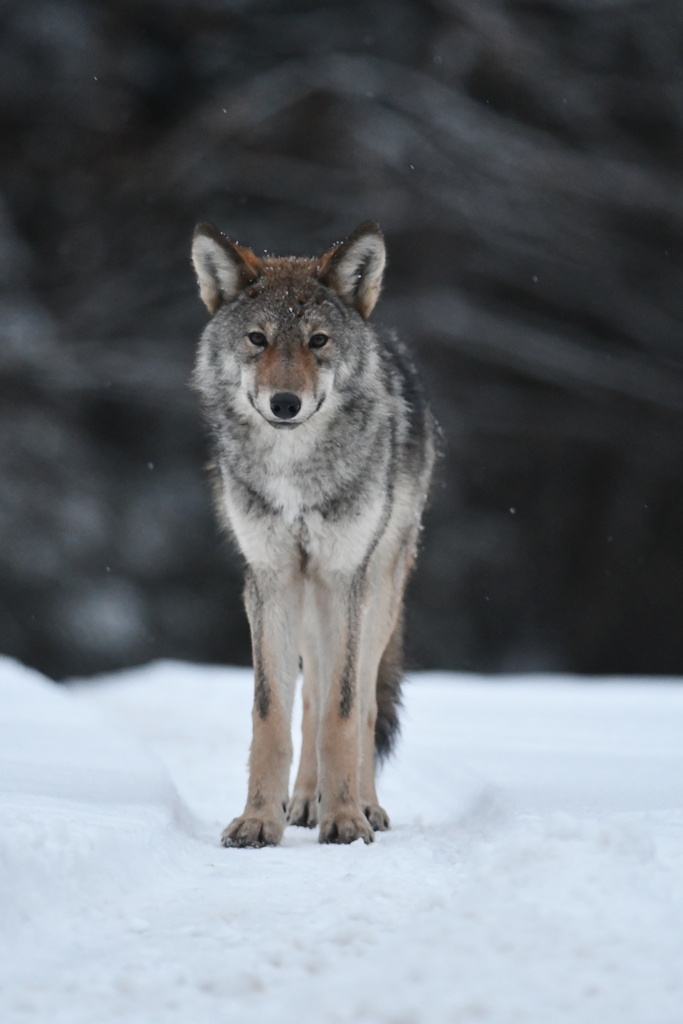
—observations
—countries
—peak records
Not EvaluatedConservation statusIUCN Red List categoriesLCNTVUENCREWEXNot Evaluated — not placed on the risk ladderRed List categories, explained →
Diet & preyWhite-tailed Deer, North American Beaver, Moose
Predators
- Humans
- Gray Wolf
ThreatsHabitat fragmentation, hybridization with coyotes, and human persecution
HabitatsDeciduous and mixed forests, boreal forests, and wetlands
Life span3 to 4 years in the wild
Classification
- FamilyCanidae
- SpeciesCanis lycaon
Range data is not available yet.
Interaction riskHigh
- Low
- Moderate
- High
- Very high
- Why interaction risk is high
- Avoid approaching wild canines; maintain a safe distance and secure food sources to prevent habituation.
- Why it is dangerous
- Capable of delivering powerful defensive bites if cornered, and can carry diseases like rabies or tapeworms.
- How to recognize a risky encounter
- Look for a slender, dog-like build with a reddish-brown muzzle and ears, larger than a coyote but smaller than a gray wolf.
- What to do
- If encountered, stand tall, make noise, and back away slowly without running.
- What to notice
- Recognized by their distinct howling choruses and tracks that are larger than those of coyotes.
- Support conservation
- Report sightings to local wildlife authorities and avoid disturbing active den sites during spring.
Responsible observation
- Keep Distance: Never approach or attempt to feed a wolf, as habituation leads to conflict.
- Secure Attractants: Store food and garbage in bear-resistant containers when camping in wolf territory.
- Leash Pets: Keep dogs on a leash to avoid triggering territorial defense behaviors from wild packs.
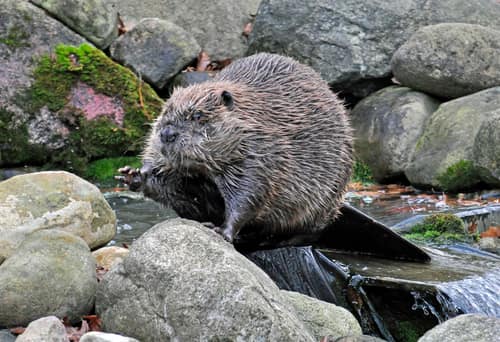
Prey (c) Rodney Campbell, some rights reserved (CC BY) · cc-by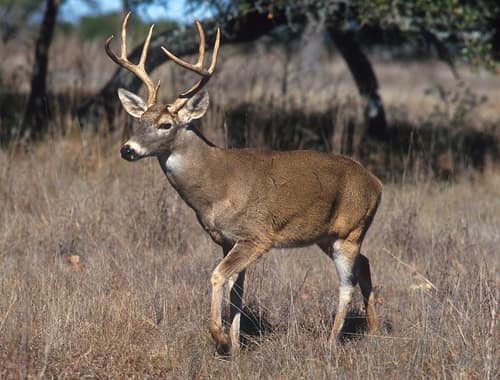
Prey USDA photo by Scott Bauer / Public domain · cc0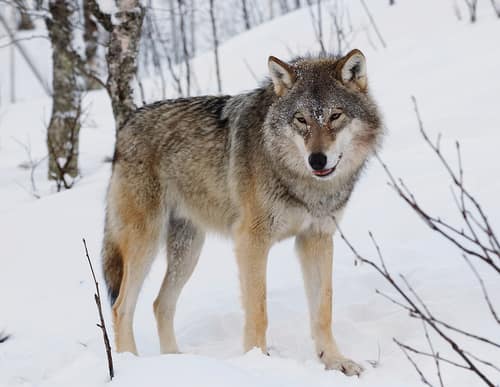
Close Relative User:Mas3cf / CC BY-SA 4.0 · cc-by-sa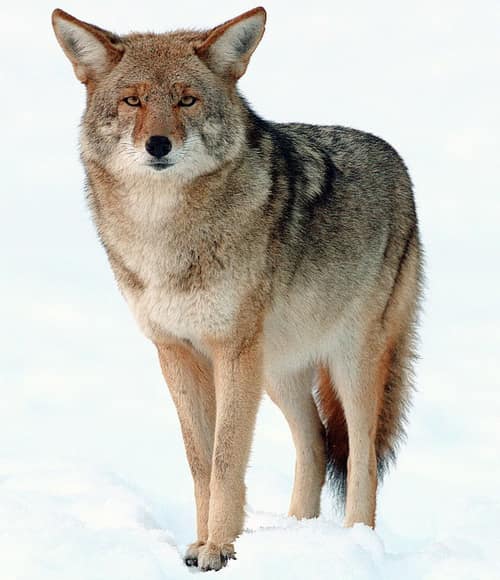
Close Relative Yathin S Krishnappa / CC BY-SA 3.0 · cc-by-sa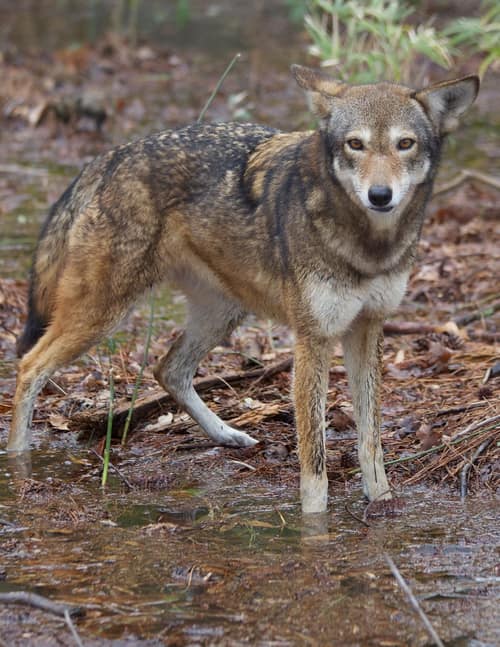
Close Relative "11276F, Red Wolf Healthcare and Education Center" by Red Wolf Recovery Program is licensed under CC BY 2.0. To view a copy of this license, visit https://creativecommons.org/licenses/by/2.0/. · cc-by
Keep collecting in Fauna
Found in Collections
Ecosystem chain
The Forest Floor
Eastern Wolf is found in this collection. Identify it in Fauna to fill this slot and continue your progress.
—/12
Help improve the field guideSomething wrong?
Checking your Fauna account…Report a name, category, or profile issue for review.