
Fungus
Fly Agaric
Amanita muscariaAlso known as Fly Amanita, Fly Mushroom
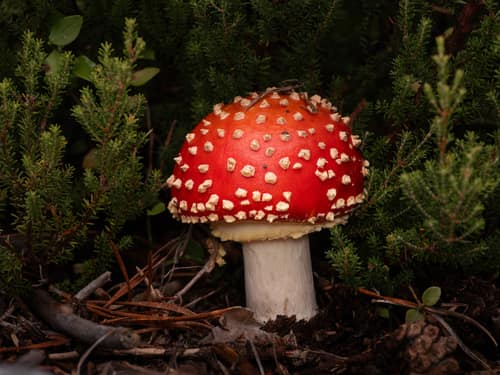
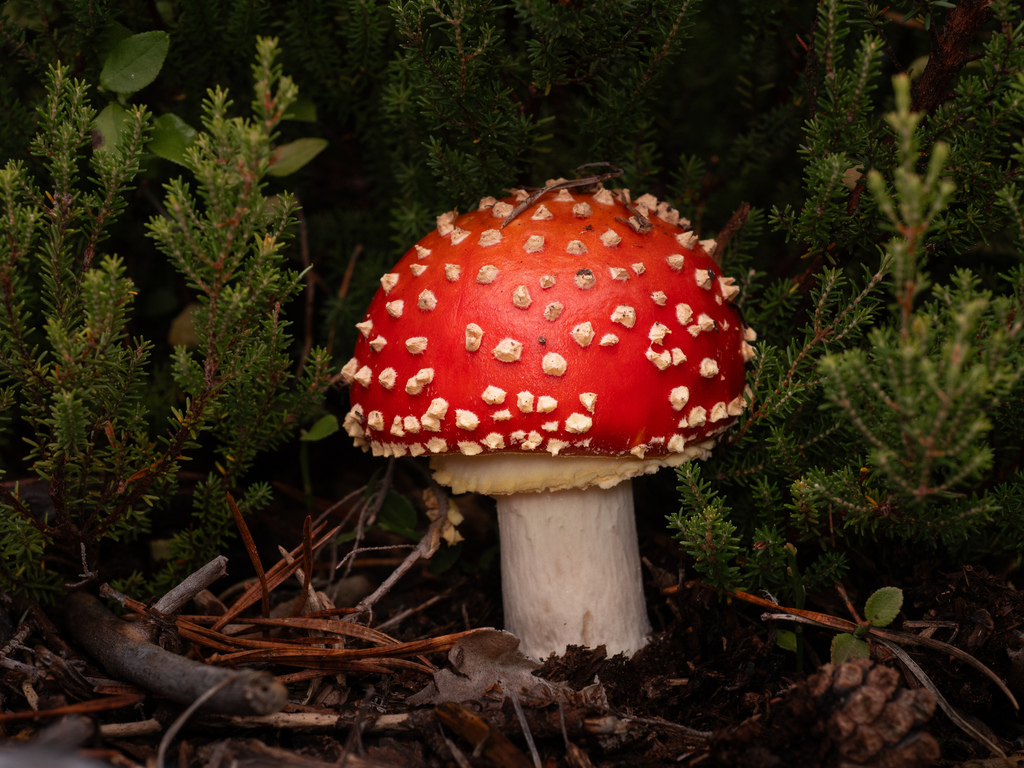
Fly agaric tops forest floors across the Northern Hemisphere with its unmistakable crimson cap dotted in white remnants of a universal veil. Beneath the brightly colored pileus, cream-white gills drop millions of spores that drift on micro-currents to establish new fungal networks. It forms deep underground connections with host trees, exchanging vital soil nutrients for carbohydrates produced through photosynthesis.
IconicToxicMycorrhizal
—observations
—countries
—peak records
Not EvaluatedConservation statusIUCN Red List categoriesLCNTVUENCREWEXNot Evaluated — not placed on the risk ladderRed List categories, explained →
Diet & preyMycorrhizal (symbiotic partner with birch, pine, and spruce)
Predators
- Slugs
- Fungus Gnats
- Red Squirrels
ThreatsDeforestation and heavy air pollution
HabitatsTemperate, boreal, and subalpine woodlands
Life spanUnderground mycelium lives decades; fruiting body lasts 1–2 weeks
Classification
- OrderAgaricales
- FamilyAmanitaceae
- GenusAmanita
- SpeciesAmanita muscaria
Range data is not available yet.
Interaction riskHigh
- Low
- Moderate
- High
- Very high
- Why interaction risk is high
- Toxic if ingested. Many wild mushrooms have toxic look-alikes; never eat wild fungi based on app identification alone.
- Why it is dangerous
- Contains ibotenic acid and muscimol, which cause severe gastrointestinal distress, confusion, twitching, and visual distortions when consumed.
- How to recognize a risky encounter
- Recognized by its vibrant red or orange cap with white cottony patches, white gills, and a cup-like volva at the base.
- What to do
- Do not harvest or ingest wild mushrooms, and wash hands thoroughly after any physical contact.
Responsible observation
- Spotting: Scan the soil around birch, spruce, and pine trees following wet autumn weather.
- Photography: Shoot from a ground-level perspective to highlight the gills, ring, and bright red cap.
- Observation: Leave the fruiting body intact to allow spores to disperse into the surrounding soil.
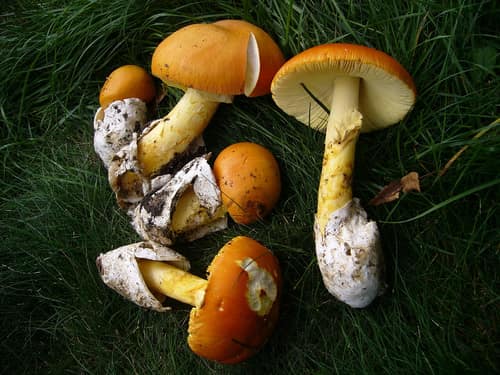
Similar Genus Yaqui / CC BY-SA 3.0 · cc-by-sa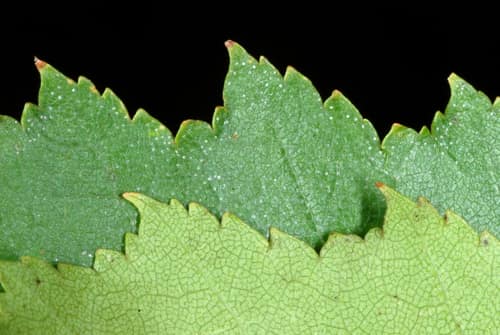
Symbiotic Host (c) Douglas Goldman, some rights reserved (CC BY-SA), uploaded by Douglas Goldman · cc-by-sa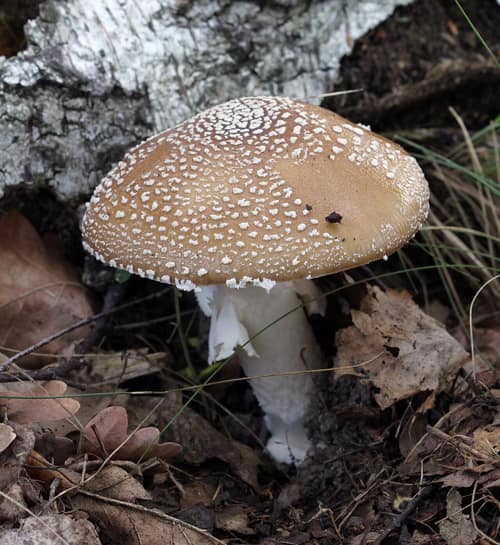
Close Relative George Chernilevsky / Public domain · cc0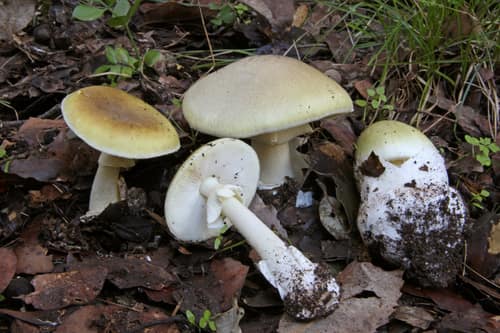
Lethal Relative (c) Davide Puddu, some rights reserved (CC BY), uploaded by Davide Puddu · cc-by
Keep collecting in Fauna
Found in Collections
Ecosystem chain
The Forest Floor
Fly Agaric is found in this collection. Identify it in Fauna to fill this slot and continue your progress.
—/12
Species set Pro
Fungi Forager
Fly Agaric is found in this collection. Identify it in Fauna to fill this slot and continue your progress.
Unlock to track progress
Help improve the field guideSomething wrong?
Checking your Fauna account…Report a name, category, or profile issue for review.