
Mammal
Sperm Whale
Physeter macrocephalusAlso known as Cachalot, Pothead
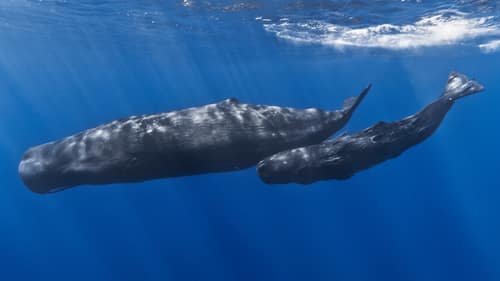
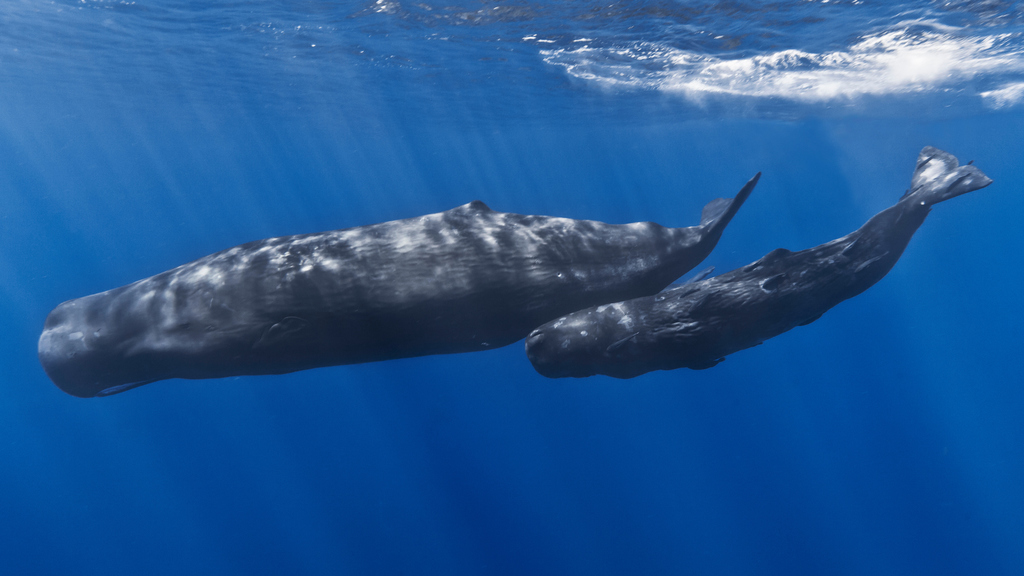
Sperm whales possess the largest brains of any animal on Earth and dive over two thousand meters deep into the pitch-black ocean to hunt giant squid. Adult females and young calf pods form tight-knit, lifelong matrilineal groups that communicate using rhythmic click patterns known as codas. Pod members take turns babysitting calves at the surface while mothers make long, deep hunting dives lasting over an hour.
Marine MammalDeep DiverApex Predator
—observations
—countries
—peak records
VulnerableConservation statusIUCN Red List categoriesLCNTVUENCREWEXVulnerableRed List categories, explained →
Diet & preyGiant squid, Colossal squid, Deep-sea octopus
Predators
- Orca
ThreatsEntanglement in fishing gear, ship strikes, ocean noise, historical whaling
HabitatsPelagic ocean waters, deep offshore trenches
Life spanUp to 70 years
Classification
- FamilyPhyseteridae
- SpeciesPhyseter macrocephalus
Range data is not available yet.
Interaction riskHigh
- Low
- Moderate
- High
- Very high
- Why interaction risk is high
- Massive size can capsize small vessels; maintain a safe boating distance of at least 100 meters.
- Why it is dangerous
- Massive size and sudden surface maneuvers can overturn vessels or injure swimmers in close proximity.
- How to recognize a risky encounter
- Identified by a huge square head, dark wrinkled skin, and a low, bushy blow angled forward to the left.
- What to do
- Keep boats in neutral when nearby, never cut off their path, and avoid swimming near diving pods.
- What to notice
- Look for a triangular dorsal hump followed by distinct knuckles along the ridge of the lower back.
- Support conservation
- Maintain quiet vessel operation and observe regulatory distance limits to avoid disturbing nursing pods.
Responsible observation
- Responsible viewing: Maintain a distance of at least 100 meters while aboard vessels.
- Listen for clicks: Hydrophones can detect their powerful echolocation signals miles away.
- Watch the blow: Spot them by their unique forward-and-left angled surface spouts.
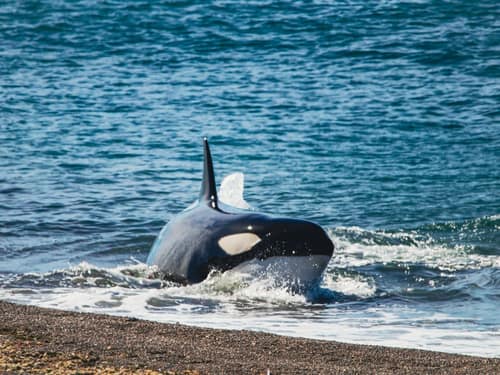
Predator (c) Martín Acosta Albarracín, some rights reserved (CC BY), uploaded by Martín Acosta Albarracín · cc-by Image unavailable
Prey 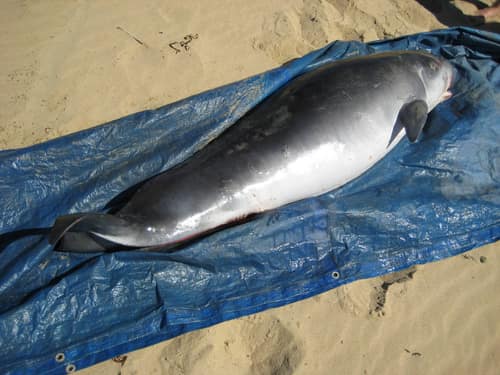
Close Relative (c) Peter Crowcroft, some rights reserved (CC BY), uploaded by Peter Crowcroft · cc-by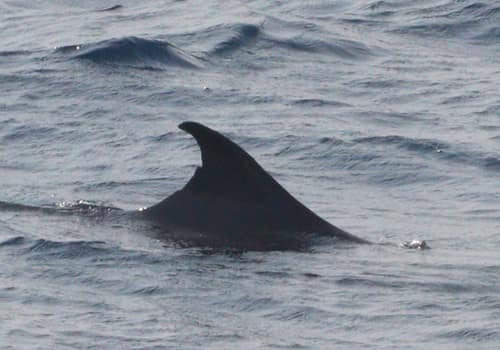
Close Relative (c) Jan Ebr & Ivana Ebrová, some rights reserved (CC BY) · cc-by
Help improve the field guideSomething wrong?
Checking your Fauna account…Report a name, category, or profile issue for review.