
Invertebrate
Kumamoto Oyster
Magallana sikameaAlso known as Kumie, Kumo
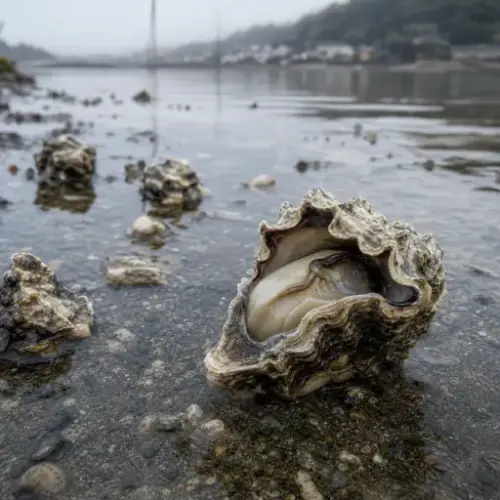
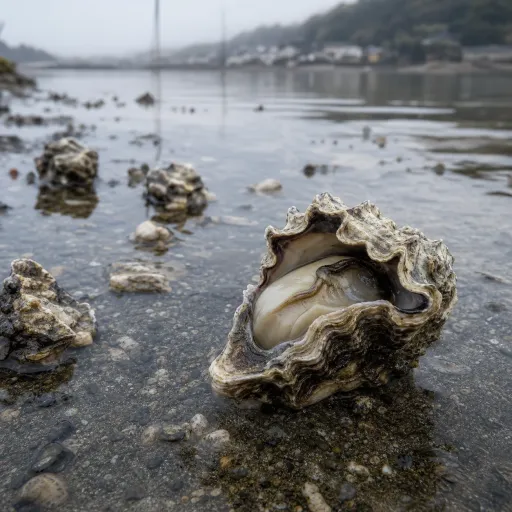
Kumamoto oysters are small, deeply cupped bivalves native to the sheltered bays of southern Japan. They grow slowly, developing highly sculpted, fluted shells with a distinctive purplish-green hue. In their native and introduced estuarine habitats, they act as vital ecosystem engineers by filtering water and creating complex reef structures that shelter other marine life.
BivalveFilter FeederMarine
—observations
—countries
—peak records
Not EvaluatedConservation statusIUCN Red List categoriesLCNTVUENCREWEXNot Evaluated — not placed on the risk ladderRed List categories, explained →
Diet & preyPhytoplankton, Microalgae, Detritus
Predators
- Crabs
- Sea stars
- Oyster drills
ThreatsOcean acidification, habitat degradation, coastal pollution, and disease outbreaks.
HabitatsEstuaries, intertidal zones, sheltered bays, and muddy or rocky shorelines.
Life spanUp to 10 to 15 years.
Classification
- FamilyOstreidae
- SpeciesMagallana sikamea
Range data is not available yet.
Interaction riskLow
- Low
- Moderate
- High
- Very high
- Why interaction risk is low
- Safe to observe at a normal distance.
Responsible observation
- Look for the cup: Identify them by their deeply cupped, bowl-like lower shell and highly fluted edges.
- Watch the tides: Visit sheltered mudflats and rocky estuaries during low tide to spot them attached to hard surfaces.
- Tread carefully: Avoid stepping directly on oyster beds to protect both the fragile shells and your footwear.
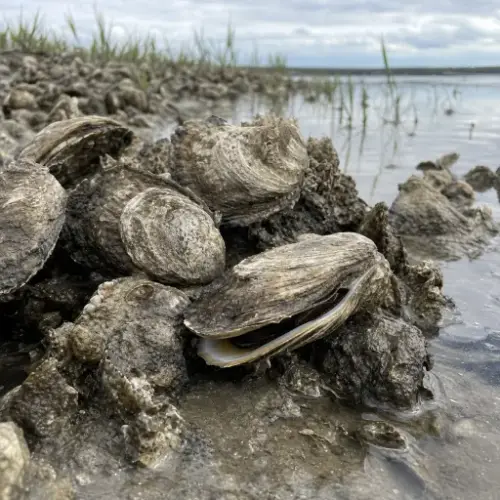
Ecological Equivalent Unknown / CC-BY · cc-by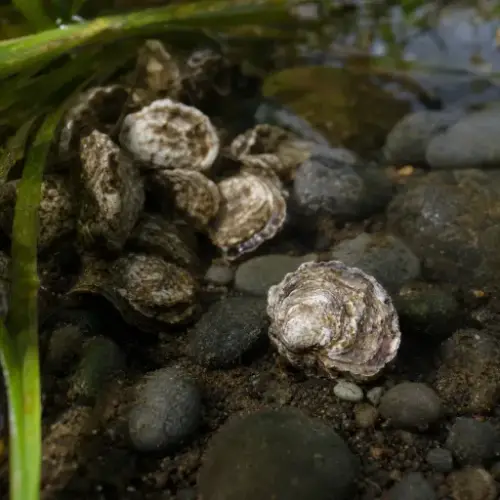
Co-occurring Species Unknown / CC-BY · cc-by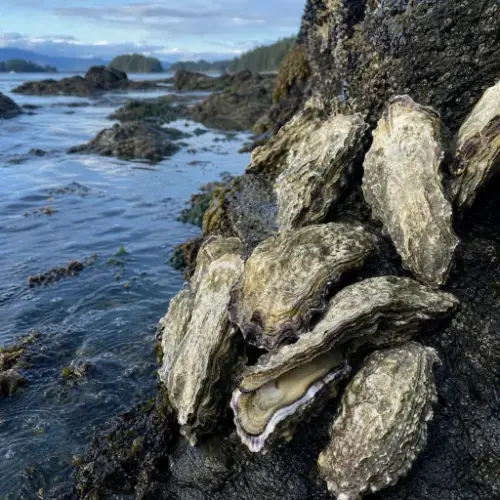
Close Relative Unknown / CC-BY · cc-by
Help improve the field guideSomething wrong?
Checking your Fauna account…Report a name, category, or profile issue for review.