
Bird
Common Gull
Larus canusAlso known as Mew Gull, Sea Mew
Common gulls patrol coastal shores, inland wetlands, and farmland in noisy, coordinated flocks, often foot-paddling on wet turf to charm earthworms to the surface. Pairs maintain lifelong monogamous bonds and return each spring to nest colonially on rocky islets, shingle beaches, and inland bogs. Their high-pitched, yelping calls and slender profiles make them a quintessential presence along northern Eurasian waterways.
CoastalColonialMigratory
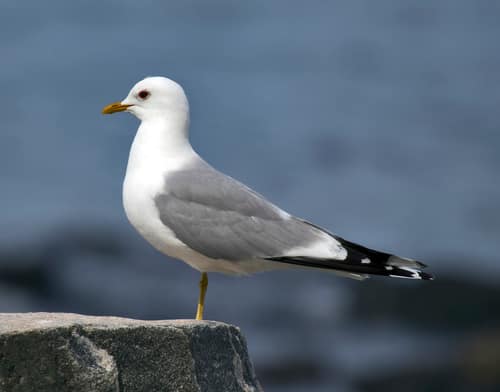
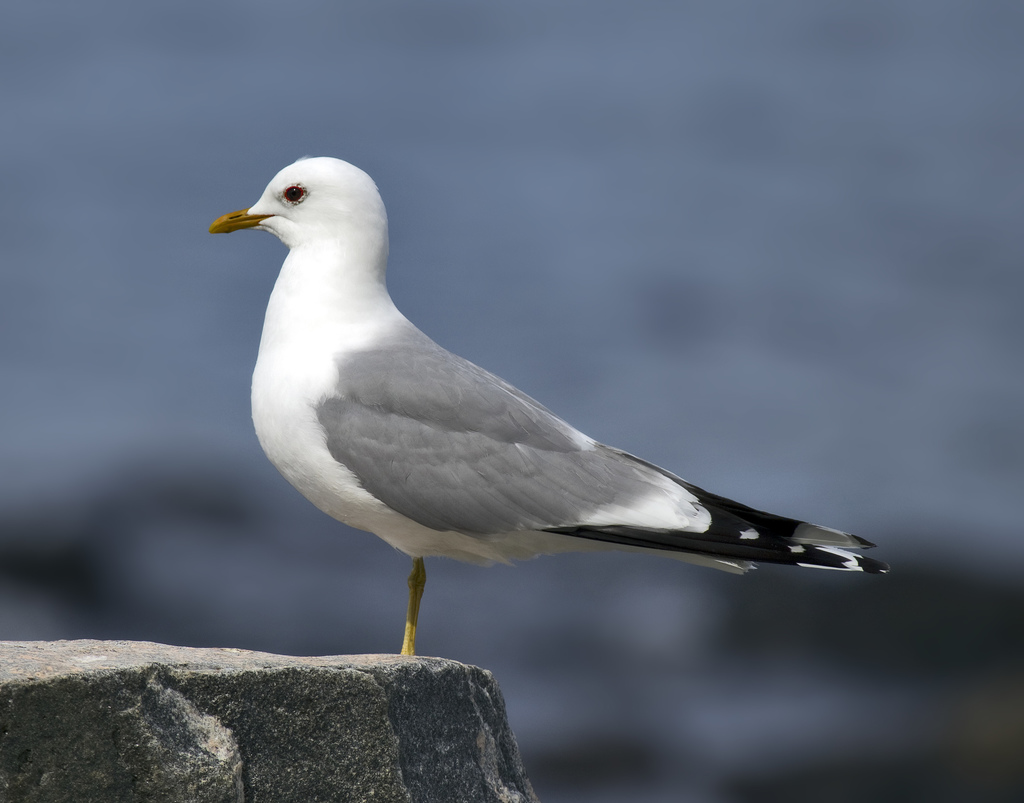
—observations
—countries
—peak records
Least ConcernConservation statusIUCN Red List categoriesLCNTVUENCREWEXLeast ConcernRed List categories, explained →
Diet & preyMarine worms, Small fish, Earthworms
Predators
- Red Fox
- White-tailed Eagle
- Great Black-backed Gull
ThreatsGround predator introduction to breeding islets, coastal disturbance, and marine pollution
HabitatsCoasts, estuaries, lakes, rivers, marshes, pastures, and coastal towns
Life span15–24 years
Classification
- OrderCharadriiformes
- FamilyLaridae
- GenusLarus
- SpeciesLarus canus
Range data is not available yet.
Interaction riskLow
- Low
- Moderate
- High
- Very high
- Why interaction risk is low
- Safe to observe at a normal distance.
Responsible observation
- Identification Cue: Look for a plain, unmarked greenish-yellow bill to distinguish adults from larger gulls.
- Colony Etiquette: Maintain a generous buffer around ground nests to avoid prompting defensive dive-bombing.
- Feeding Etiquette: Avoid throwing processed human foods, which can cause nutritional deficiencies.
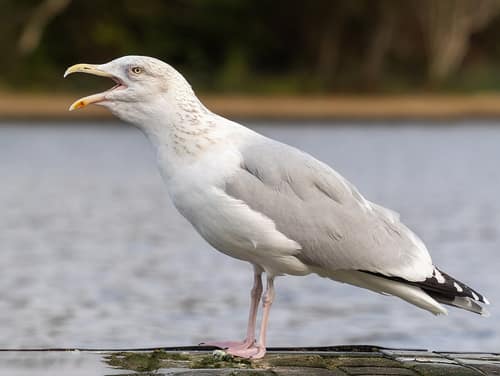
Same Genus Rhododendrites / CC BY-SA 4.0 · cc-by-sa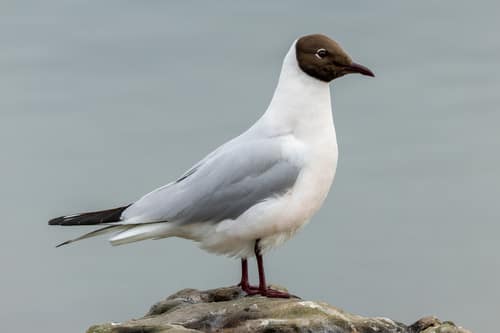
Competitor (c) Alexis Lours, some rights reserved (CC BY), uploaded by Alexis Lours · cc-by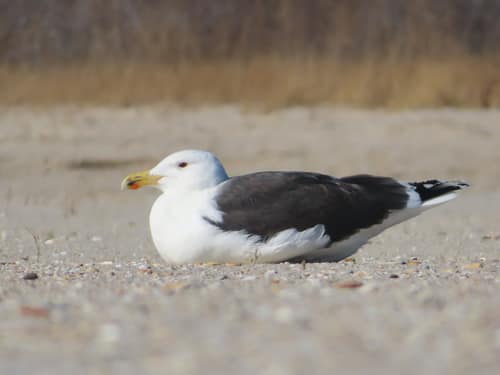
Predator (c) Mila C., some rights reserved (CC BY), uploaded by Mila C. · cc-by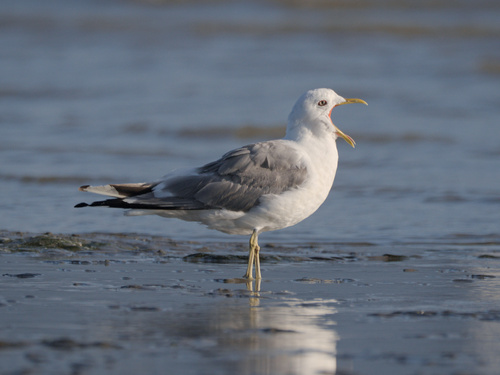
Close Relative (c) Kevin Krebs, some rights reserved (CC BY) · cc-by
Keep collecting in Fauna
Found in Collections
Species set Pro
Shore Life
Common Gull is found in this collection. Identify it in Fauna to fill this slot and continue your progress.
Unlock to track progress
Help improve the field guideSomething wrong?
Checking your Fauna account…Report a name, category, or profile issue for review.